Classic cars in NZ are not a niche. For a country of five million people, New Zealand has an unusually deep pool of old cars, the clubs to look after them and the shows to put them on display. If you have ever wondered why every small town seems to have a shed with something interesting in it, this guide is for you: why the scene is so strong, how to find your way into it, what owning and restoring a classic actually involves, and the people who make it what it is.
Why New Zealand kept its old cars
The short version is that for much of the twentieth century, New Zealanders could not easily buy new cars. Import licensing and tariffs made a new vehicle expensive and sometimes impossible to get, so people ran what they had for a long time. Cars that would have been scrapped in other countries were kept on the road, repaired, re-repaired and passed down.
That did two things. It left the country with a lot of surviving cars from eras that are thin on the ground elsewhere. And it built a national habit of fixing things yourself. The home mechanic, the farm workshop and the backyard rebuild are not quirks of the car scene; they are how most Kiwis got around for decades.
Two later waves added to that base. Locally assembled cars from British, American, Australian and Japanese factories gave the country its own versions of familiar models. Then, from the late 1980s, the used-import trade brought in a huge volume of Japanese cars, many of which are now old enough to be classics in their own right. The result is a scene that spans everything from brass-era veterans to 1990s Japanese performance, and the two ends of it mostly get along.
The climate helps. Much of the country is dry enough, and the roads salt-free enough, that cars rust more slowly than in colder parts of the world. Plenty of New Zealand cars have survived precisely because they stayed here.
Classic, vintage or veteran: what the words mean
People use "classic" loosely, and that is fine. But if you want to join a club or enter a judged event, the words matter.
The Vintage Car Club of New Zealand, the country's largest and oldest body for old cars, groups vehicles into age bands based on year of manufacture: veteran for the very earliest cars, vintage for roughly the 1920s, then post-vintage, post-war and later classes that bring the definition forward decade by decade. The exact cut-off years are set by the club, so check its current rules rather than guessing.
For registration and warrant of fitness purposes, the age of the car matters too. Vehicles forty years and older are classed as vintage for licensing, which brings a lower annual licence fee, and how often a car needs a warrant depends on when it was first registered rather than on its age today. Waka Kotahi NZ Transport Agency publishes the current rules and they do change, so confirm them before you rely on them.
In conversation, "vintage cars NZ" tends to mean anything pre-war; "classic" covers the 1950s to the 1980s; and "modern classic" or "future classic" is where the 1990s Japanese and European cars sit. Nobody will correct you at a meet.
Finding a classic car club in New Zealand
Clubs are the backbone of the classic car scene in New Zealand, and joining one early is the best thing a new owner can do. They give you access to people who have already solved the problem you are about to have, a calendar of runs and shows, parts networks and often a club magazine that is worth the membership on its own.
There are two main types:
General clubs. The Vintage Car Club of New Zealand has branches throughout the country, each with its own clubrooms, events and local character. Regional classic and enthusiast clubs cover a broader range of ages and makes and are often less formal.
Marque clubs. One brand, sometimes one model. If you own a particular make, the marque club will know every example in the country, where the parts are and who the specialists are.
To find one: search for the make or era plus "club NZ", ask at the next show, or ask the workshop that services the car. Most clubs let you come along to a meeting or a run before you commit. If the first one does not feel right, try another. Clubs have personalities.
Our guide to NZ car shows and events at NZ car shows and events guide covers what clubs put on through the year.
What owning a classic car actually involves
Owning a classic in New Zealand is more hands-on than owning a modern car, and more rewarding for the same reason. In plain terms:
Maintenance is constant and mostly small. Old cars need fluids, points, plugs, brakes and bushes attended to on a schedule a modern car would laugh at. Most owners do the routine stuff themselves and learn as they go.
Parts come from everywhere. New old stock, reproduction parts, overseas suppliers, club networks, swap meets and the back shelves of long-established workshops. Part of the hobby is the hunt.
Storage matters. A dry garage adds years to a car. If you have no cover, think hard before buying something with a lot of chrome and a soft top.
Insurance is a specialist product. Classic policies typically work on an agreed value and limited annual kilometres, which suits a car that is driven on weekends. Shop around and read what counts as modified.
Registration and warrants need keeping up. Cars that have been off the road for years can need re-certification before they go back on, and that process has rules. Check with Waka Kotahi before buying something with lapsed registration.
Driving it is the point. The healthiest classics are the ones that get used. Clubs run regular runs for a reason.
Restoring one: honest expectations
Car restoration in NZ is a national pastime, and the sheds of this country hold thousands of projects at every stage. If you are thinking about taking one on, the honest expectations are:
- It will take longer and cost more than the plan. Everyone says this and everyone is right. The parts you have not found yet, and the rust you have not found yet, are the budget.
- Rust is the deciding factor. Mechanical work is predictable. Bodywork is not. Get an experienced eye on the structure before you buy a project.
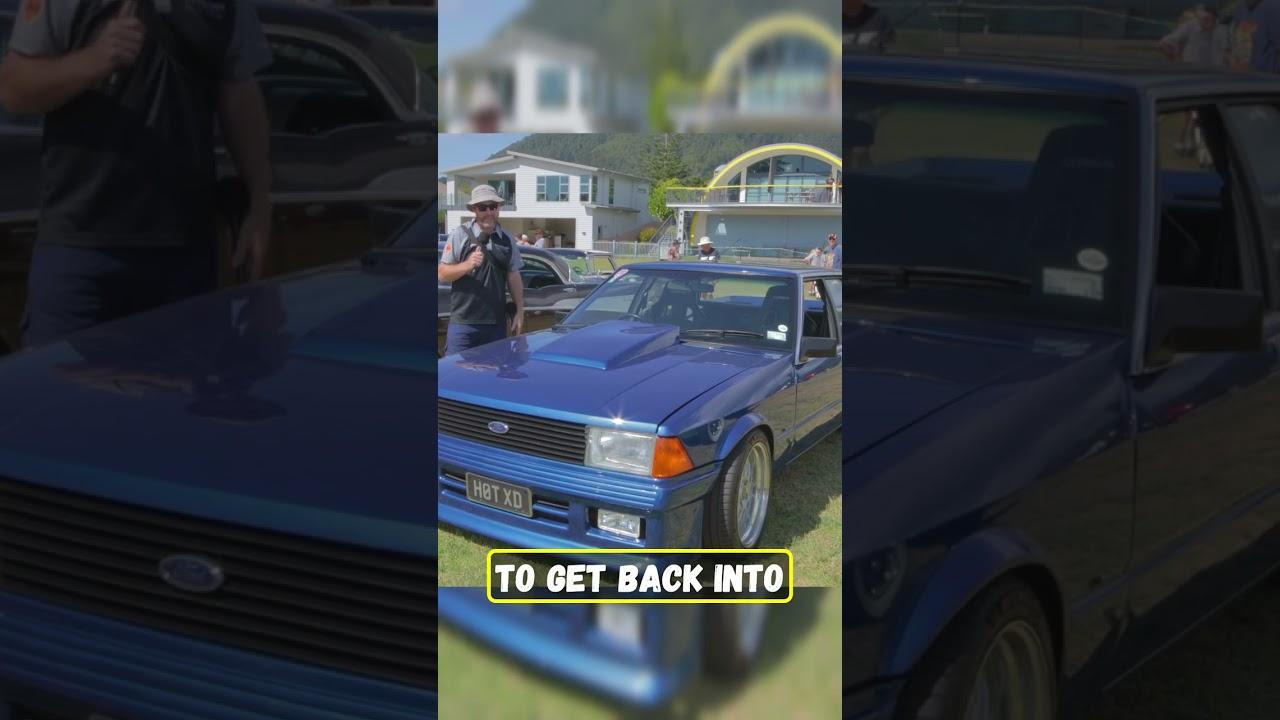
- Decide what you are building. A faithful original restoration, a tidy driver, a resto-mod with modern running gear, or a hot rod. Each has different costs, different rules at shows and different buyers if you ever sell. Changing your mind halfway is the expensive option.
- Learn what you can and pay for what you cannot. Panel beating, paint, upholstery and machining are trades for a reason. Most successful restorations are a mix of owner labour and specialist work.
- Document everything. Photos before disassembly, labelled bags, a notebook. Future you, and the next owner, will be grateful.
- Join the club first. Someone in it has restored the same car and will save you months.
The people: it was never just about the cars
Ask anyone who has been in the classic scene for a while and they will talk about people before they talk about cars. The man who let a teenager hang around his paint shop. The club member who turned up with the part nobody could find. The couple who ran the show for twenty years.
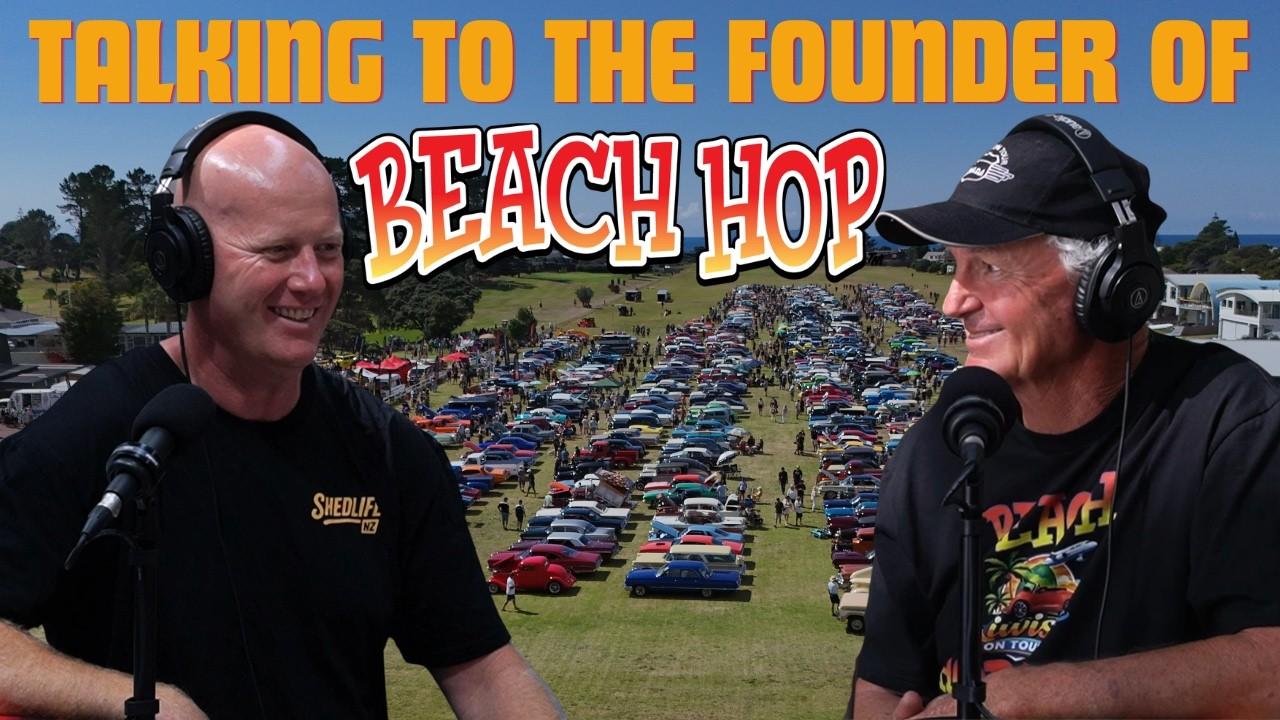
Noddy Watts's story on the ShedLife podcast is a good example. He grew up in Thames, got taken to the Meremere drags at twelve by his uncle, and came home drawing hot rods on his schoolbooks. A local couple who painted cars let him hang around. He spent his first paycheck on a T-bucket chassis kit, and in the early 1990s that car was on the cover of Hot Rod magazine. Decades later he founded Beach Hop in Whangamatā, built it into one of the country's biggest events, and now runs tours taking Kiwi car people along Route 66. Every step of that was someone opening a door.
That is the scene. The cars are the excuse. The clubs, the shows and the sheds are where it actually happens, and there is always room for one more person who wants to learn.
Car sheds and collections from the Waikato Sheds channel
Waikato Sheds, which builds a lot of the sheds these cars live in, runs a YouTube channel of shed tours, and the best car ones have been written up here on ShedLife Garage. Each page tells the story of the shed and what is inside it, with the video embedded.
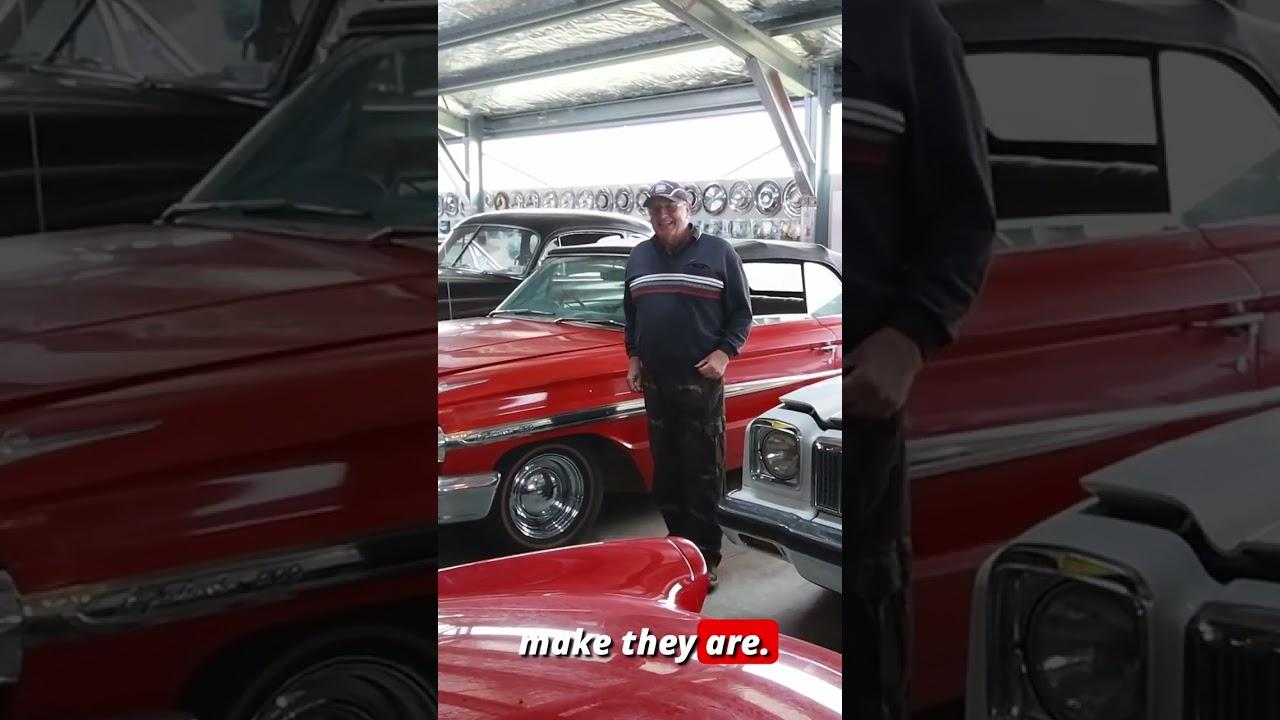
- A five million dollar classic car collection: one of the biggest private collections in the country and the shed that holds it.
- Dave's 800hp hot rod: a home-built hot rod with serious power and the workshop it came out of.
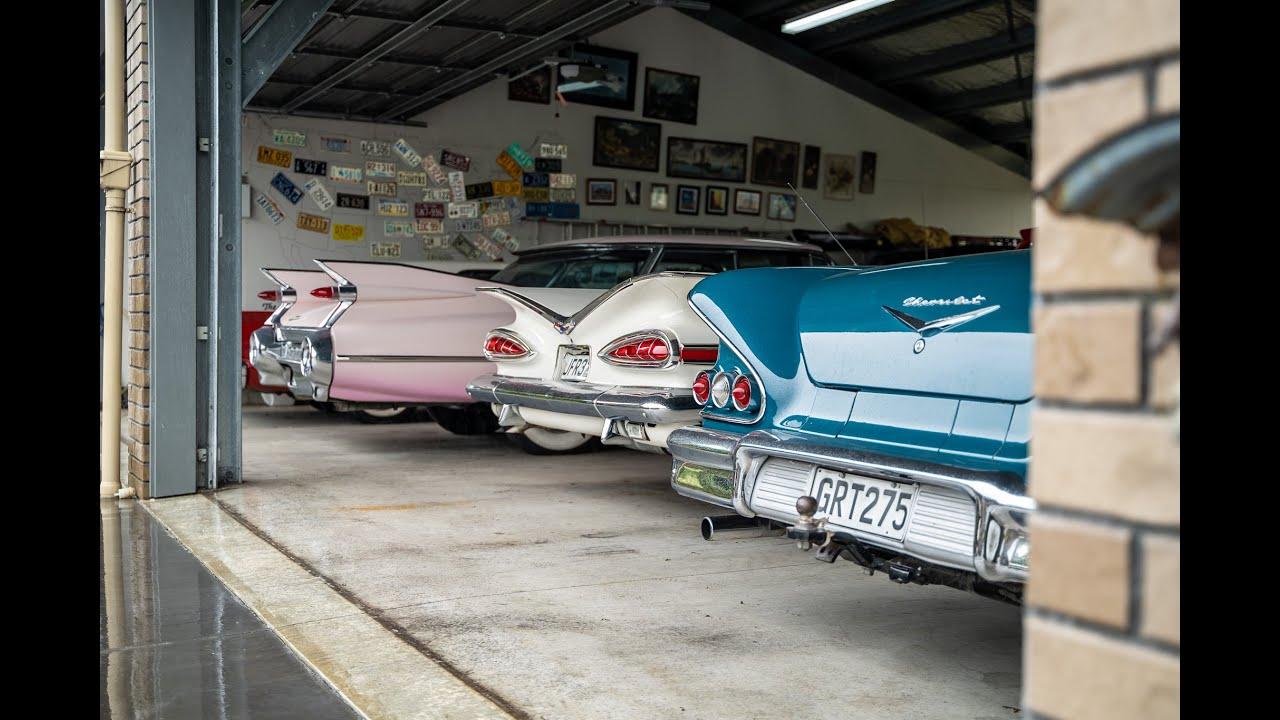
- A classic Chevrolet collection shed: one marque, one shed, decades of collecting.
- Glenn and Paul's lean-to shed: a 138 square metre gable shed with a lean-to for a classic car near Cambridge, walked through by Glenn and the builder, Paul.
- The shed house with hot rods, a bar and a pool: an award-winning T-bucket, a neon-lit bar, a salt water infinity pool and a home, all under one roof.
- A clearspan American barn full of muscle cars: an American barn in Mātangi engineered with no internal posts.
- The V Dub Shoppe: a tour of New Zealand's Volkswagen workshop in Ngāruawāhia, from Kombi restorations to Baja bugs.
From the shed: ShedLife Garage
ShedLife Garage is the car-culture arm of ShedLife NZ, a podcast made in a shed in Eureka, Waikato. We cover cars, bikes, trucks, 4x4s, motorsport, builds and workshops, and classic cars and the people who keep them alive are a big part of that. Watch on YouTube at https://www.youtube.com/@shedlifegarage and see the rest of the garage at ShedLife Garage. Got a restoration, a club or a story worth telling? Go to /be-a-guest and tell us.