To start a podcast in New Zealand, decide on one clear idea and a cadence you can keep, record with a microphone each in a quiet room, publish through a podcast host that gives you an RSS feed for Spotify and Apple Podcasts, upload the video to YouTube, and cut short clips for social media. Then keep publishing every week, whether or not anyone is listening yet.
Here is how it actually went for us.
The idea
ShedLife NZ started because Jason Davis, who runs Waikato Sheds, kept meeting people with stories that nobody was recording. Boxers, rugby players, builders, coaches, people who had come to the Waikato from the other side of the world. The idea was not "start a podcast". It was "get these people in a room and let them talk".
Ours had a list of people before it had a microphone.
The first episode, in November 2025, was heavyweight boxer Francis Waitai talking about his journey through amateur and professional boxing.
The shed
We record in a shed in Eureka, east of Hamilton. It is a shed; the name came from that.
What a shed gives you is space and separation. The gear stays set up, you can hang things on the walls to kill echo, and nobody is running the dishwasher next door. A spare room with soft furnishings does most of the same job.
The thing we got right early was treating the space as fixed: same room, same seats, same camera positions. A guest walks in and we are recording within minutes.
The crew
ShedLife is a family operation. Jason hosts. Michael runs the website. Jack runs the socials. Wayne Speedy films and edits. Mark Davis sits in on some episodes. Quentin Hill joined for the Sport Weekly Wrap. You can meet them all here.
You do not need that many people to start; one person can host, record and publish alone. But once you add video and clips the editing load grows quickly, and a second person is often the difference between a show that keeps going and one that stalls at episode twelve.
Gear, without brand names
We will not recommend specific products, because prices move and what we use is not what you need. The categories are:
- A microphone per person. Each voice on its own channel makes editing far easier.
- Something to record into. A dedicated audio recorder or an interface into a computer.
- Headphones, so you catch a problem during the recording rather than after.
- A camera if you want video, which you probably do, because a lot of podcast listening now happens on YouTube.
- A light or two, because sheds have bad light.
Buy the microphones first and the cameras last. People will forgive average video. They will not forgive audio they cannot hear.
Publishing
Audio goes to a podcast host, which gives you an RSS feed. Submit that feed once to Spotify, Apple Podcasts and any other directory, and every episode you upload afterwards appears on all of them automatically.
Video is separate: we upload the full episode to YouTube ourselves, so a guest's name turns up there and the car listener finds it on Spotify.
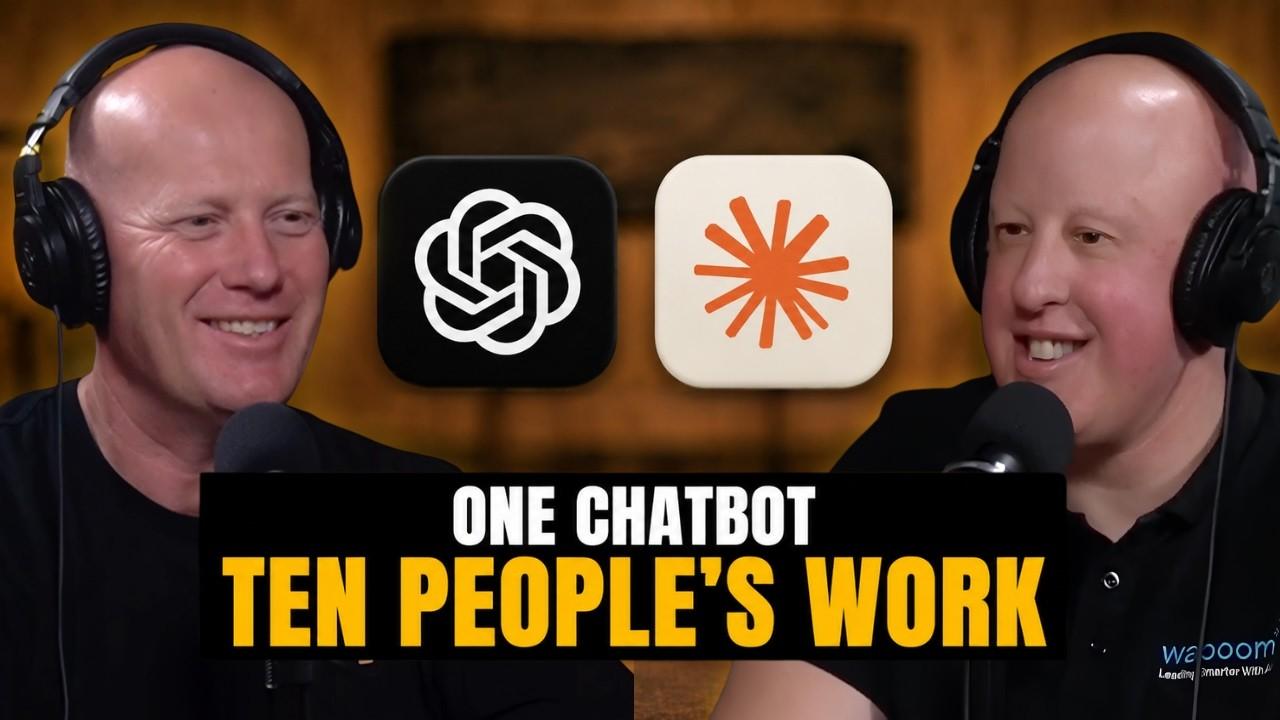
Then there is the website. Ours lists every episode with its links, and it came about partly through the show itself: Leonardo Garcia Curtis, founder of WABOOM and former Zyber CEO, came into the shed for an episode on automation and how it is reshaping business, and that conversation is part of how the site got built. Not essential on day one, but useful once you have a few dozen episodes.
The weekly cadence
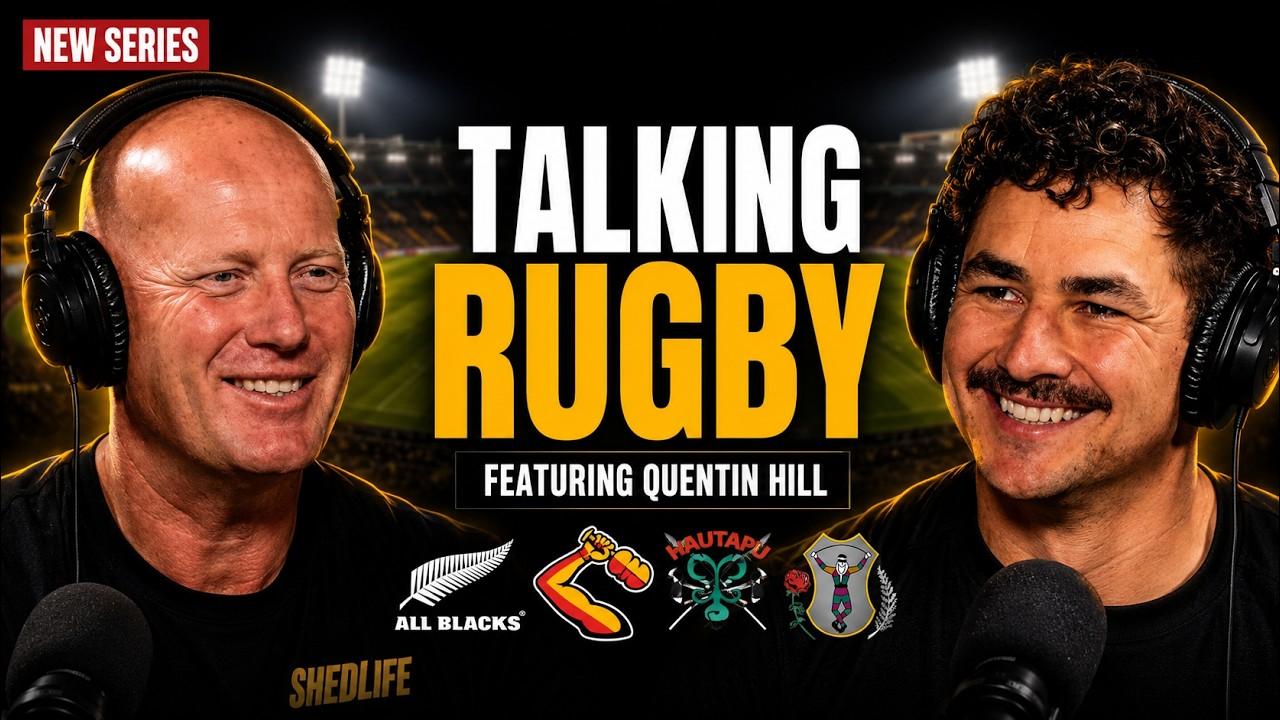
We publish weekly. The main show has run roughly weekly since November 2025, and in July 2026 we added ShedLife NZ Sport, a weekly wrap with Jason and Quentin Hill, on top of it.
Weekly is hard. You are always a week from an empty slot, so you book guests ahead rather than waiting for them to appear. The upside is that listeners know when to expect you and guests can see you are serious. A show with three episodes and no pattern is a hobby; a show that has turned up every week for a year is something people say yes to. If weekly is not realistic, pick fortnightly and keep it.
Taking the show to an event helps fill the slots. Some of ours were filmed at Fieldays, including Mike Cook from Lightwire, and a day like that gives you a run of guests in one go.
Clips for socials
Every episode gets cut into short clips for social media, and that is where a lot of new listeners come from. Nobody finds a long conversation by accident; they find a clip of Ken Rutherford on Martin Crowe, or Jed Mildon on a world-first trick, and go looking for the rest. The clip is the moment the guest says something you would repeat to a mate. If you cannot find one, the episode needed a better question.
What we would tell a first-time podcaster
- Have ten guests in mind before you buy anything.
- Record audio properly. Everything else can be average at first.
- Fix the room, fix the schedule, and stop fiddling.
- Cut clips. The clips are the marketing.
- Get the guest to share it. Their audience is your first audience.
- Keep it honest. People can tell.
And if you are not sure you want to run a show but have a story worth telling, there is an easier route: come on ours. You will see how it works from the guest's chair. Either way, the episodes page shows what a year of this looks like.