NZ drift culture is where a lot of people's motorsport story starts, because it is cheap to try, it looks the way driving fast feels, and the cars that suit it were sitting in every Kiwi driveway for twenty years. But drift is only one lane of grassroots motorsport in New Zealand. This guide sets out drift, drag and circuit racing in plain terms, how people actually get started, what the licensing side looks like, and where the Waikato fits in.
Drift, drag and circuit, in plain terms
If you are new to this, the three main branches of four-wheel motorsport in New Zealand work like this:
Drift is driving sideways on purpose. A car, nearly always rear-wheel drive, is thrown into a corner and held in a controlled slide through it. In competition, judges score the angle, the speed, the line and the proximity to the clipping points or the other car. It is a judged sport, not a timed one, which makes it closer to figure skating than to a lap race, and the crowd loves it because it is loud, smoky and close.
Drag racing is the straight line. Two cars start together and race over a fixed distance against the clock. It is the purest form of acceleration and the easiest to understand from the grandstand. Cars range from stock road cars on a street-legal night through to purpose-built machines that cover the distance in a few seconds.
Circuit racing is laps on a closed road course, usually wheel-to-wheel against a field of similar cars. It is the discipline most people think of as motor racing, and it is the one with the most steps between beginner and competitor.
There is more besides. Rallying and gravel sprints, hill climbs, autocross and motorkhana on cones, speedway on dirt ovals, karting as the traditional starting point for circuit drivers. But for most people getting into the scene as adults with a road car, drift, drag or a track day is the first door.
How people actually get started
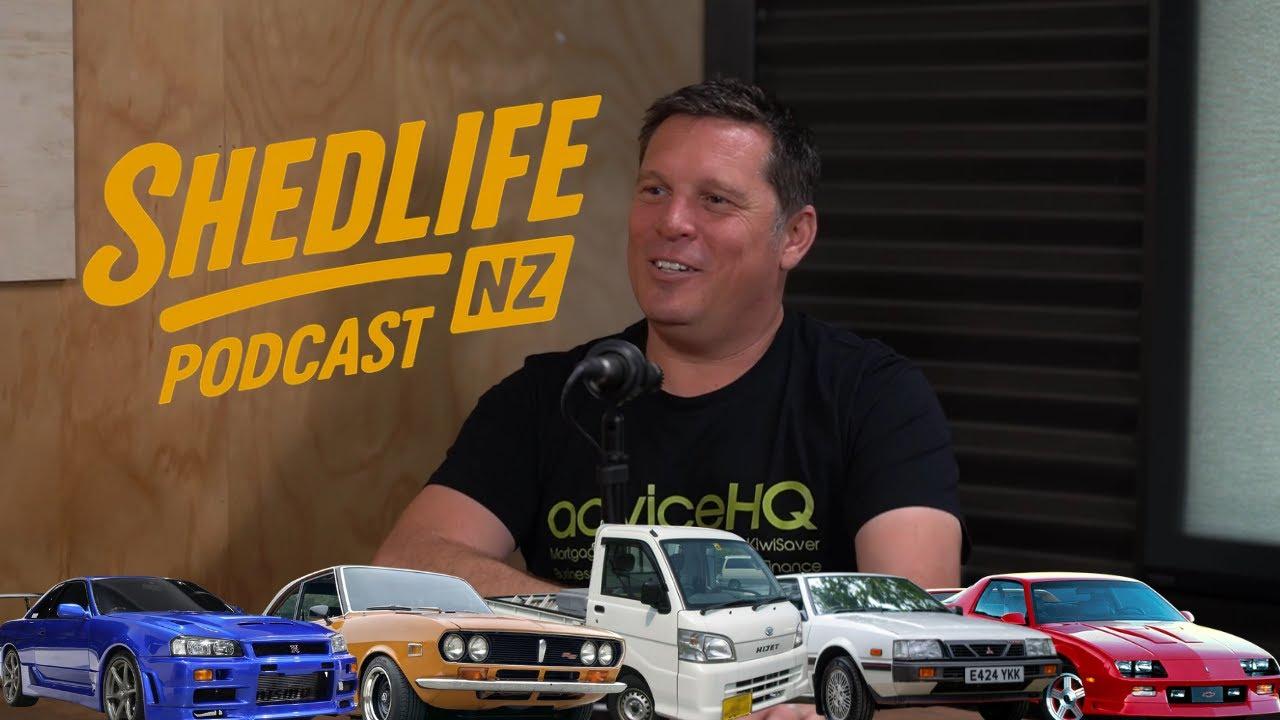
The honest answer is that most Kiwis get started badly, on the road, and then find the track. Ben Presling told a version of that story on the ShedLife podcast: deep in the NZ drift scene in the 90s, with the kind of driving that happened then and is better left there. The track is where that energy goes now, and it is more accessible than it has ever been.
The usual ladder looks like this:
- Spectate. Go to a drift day, a drag meeting or a race weekend. Walk the pits. Talk to people. You will find that the cars are more ordinary and the people more welcoming than you expected.
- Do a track day. No licence beyond your road licence, no race car, no timing. Just you, your car and a circuit. It teaches you how your car behaves at speed and whether you enjoy it. See Hampton Downs guide for what that involves.
- Pick a discipline. If sliding was the fun part, find a grassroots drift practice day. If the straight was the fun part, find a street-legal drag night. If the laps were the fun part, join a car club and look at sprints and time trials.
- Get a club licence. Entry-level licences open up competitive club events. See the licensing section below.
- Build or buy the right car. Not before this point. Plenty of people buy the car first and never get to step one.
Grassroots drift in particular has a low entry bar. A rear-wheel-drive Japanese sedan or coupe from the 1990s, a welded or locked differential, a bucket seat, a hydraulic handbrake if you want one, and as many spare tyres as you can carry. The first few days are about learning to initiate a slide and hold it, and the cheapest way to learn is in something you do not mind scratching.
NZ drag racing: the quarter-mile side of the family
Drag racing in New Zealand has its own venues, its own sanctioning bodies and its own long history. Permanent drag strips exist in both islands, with Meremere Dragway in North Waikato the one most North Islanders know. Meetings range from championship rounds with professional classes through to street-legal nights where anyone with a warranted, registered car and a helmet can run.
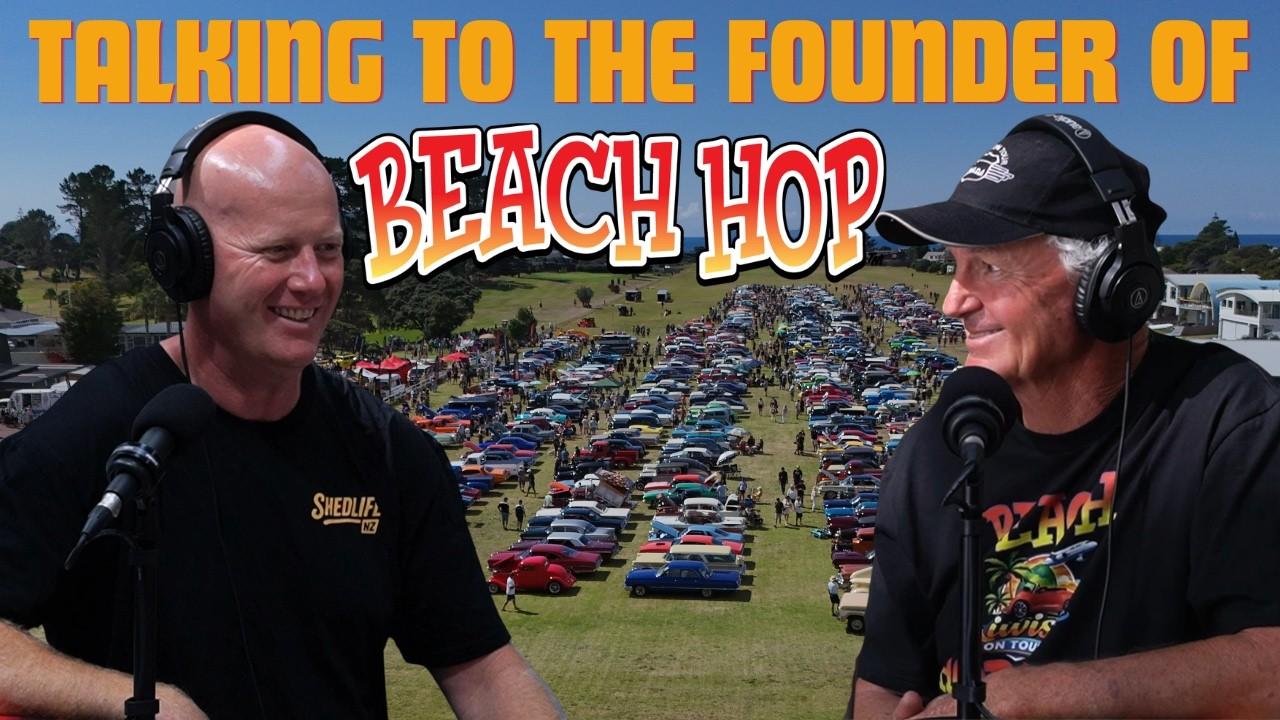
It is also, for a lot of people, the first motorsport they ever saw. Noddy Watts, who went on to found Beach Hop, described on the ShedLife podcast being taken to the Meremere drags at twelve by his uncle and coming home drawing hot rods on his schoolbooks. The straight line has that effect.
For a beginner, a street-legal drag night is the simplest competitive motorsport there is. Turn up, pass a safety check, run against the clock, go home. Drag racing is sanctioned separately from circuit racing and drift, so the licensing and safety requirements come from the drag bodies rather than MotorSport NZ; check the event's own rules.
Hampton Downs and the other places you will end up
Venues matter in NZ drift and grassroots racing because there are not many of them and they are spread out. Hampton Downs Motorsport Park in North Waikato is central to the North Island scene for drift practice, drift competition, track days, club sprints and circuit racing, and its position on State Highway 1 between Auckland and Hamilton means it draws from both. Other permanent circuits, purpose-built drift tracks, drag strips and a large number of dirt speedway ovals make up the rest of the country's venues.
Calendars change every year and the venues change less often but still do, so the only reliable way to know what is on is the venue's own listing and the organiser's page. For Hampton Downs specifically, that is https://www.hamptondowns.com. For the national drift series and the drag calendar, go to the series' own sites.
Safety and licensing, in general terms
The governing body for most four-wheel motorsport in New Zealand is MotorSport New Zealand, at https://www.motorsport.org.nz. It sets the rules, issues competition licences and affiliates the car clubs that run events. The structure, in broad strokes:
- Licences are graded. Entry-level club licences cover things like autocross, motorkhana, drift practice and some club sprints. Higher grades are needed for wheel-to-wheel racing and national championships, and moving up involves experience and sometimes an observed event or a medical.
- You join through a club. MotorSport NZ licences generally require membership of an affiliated car club. The club is also where the events, the mentors and the scrutineers are.
- Cars are scrutineered. Competitive events check the car against the class rules: helmet, seat, harness, fire extinguisher, battery mounting, and for faster classes, a roll cage and a log book that travels with the car.
- Apparel matters. Approved helmets are a given. As you move up, fire-resistant clothing, gloves and boots become mandatory.
- Speedway and drag have their own bodies. Speedway runs under its own national organisation with its own licensing; drag racing has separate sanctioning as well. Do not assume one licence covers everything.
None of this is as daunting as it reads. The entry-level club licence is cheap, the paperwork is modest, and the club will walk you through it. The point of the system is that when something goes wrong on track, and it will, the car, the driver and the venue were built to handle it.
The Japan connection
New Zealand drift culture did not come from nowhere. It came from Japan, by way of the used-import trade and the videos and magazines that followed the cars here. Rear-wheel-drive Japanese sedans and coupes arrived in New Zealand in huge numbers from the late 1980s, cheap and plentiful, exactly as drifting was becoming a defined sport in its home country.
Ben Presling's ShedLife episode captures the two ends of that. He was in the NZ scene in the 90s, then went to Japan and saw a side of Japanese car culture that most people in New Zealand only read about. The episode is as much about mates and growing up as it is about cars, but the Japan section is where the car conversation, in Jason's words, goes to another level. If you want to understand where NZ drift's aesthetic, its cars and its attitude came from, that is a good place to start.
Speedway, the other grassroots path
No guide to grassroots motorsport in New Zealand is complete without the dirt oval. Speedway, with its stock cars, saloons, sprint cars and sidecars on tracks in towns all over the country, is for many Kiwi families the motorsport they grew up with, and it has its own culture, licensing and calendar quite separate from the circuit and drift world. We cover it at NZ speedway guide.
An NZ motorsport podcast from a shed in the Waikato
ShedLife Garage is the car-culture arm of ShedLife NZ, a podcast made in a shed in Eureka, Waikato, within an hour of Hampton Downs and Meremere. We cover cars, bikes, trucks, 4x4s, motorsport, builds, workshops and events, and we are just getting started. Watch on YouTube at https://www.youtube.com/@shedlifegarage and browse the garage at ShedLife Garage. If you drift, drag, race or run an event, go to /be-a-guest and tell us about it.