Hampton Downs is the motorsport park most Kiwi car people end up at sooner or later, whether they came to watch, to drive, or just because a mate had a spare ticket. It sits in North Waikato off State Highway 1, close enough to both Auckland and Hamilton that a day trip from either is easy. This guide covers what runs there, how to go as a spectator, and what a first track day actually involves if you want to get behind the wheel yourself.
What Hampton Downs is
Hampton Downs Motorsport Park is a purpose-built circuit complex in the rural stretch between Pokeno and Huntly. It is a privately run facility rather than a council one, with a main circuit that can be run in different configurations, pit garages, a pit lane, spectator areas and supporting buildings. Over the years it has grown from a circuit into a venue that also hosts driver training, corporate days and the occasional festival.
The key thing to understand as a first-timer is that it is not one event. It is a venue with a calendar. On one weekend it might be a national championship round with grids of purpose-built race cars. The next it might be a car club's sprint day, a drift practice session or a manufacturer's driving programme. The experience you have depends entirely on which day you pick, so the first job is always the calendar on the official site at https://www.hamptondowns.com.
The kinds of hampton downs events you will find
Without pinning anything to a date, these are the broad categories that show up year after year.
Circuit racing. Saloon cars, single-seaters, historic classes, one-make series and endurance races. National series rounds bring the biggest crowds and the fullest pits. Club-level race meetings are quieter, cheaper to get into and often more interesting if you like walking the paddock and talking to people.
Drift. Hampton Downs is one of the regular homes of drifting in the North Island, from practice and grassroots days through to competitive rounds. Drift is a different kind of spectating: the action is concentrated in a few corners, the noise and tyre smoke are the point, and the crowd tends to be younger and louder.
Track days and sprints. These are the "drive your own car" days. Track days are untimed sessions where you lap in run groups sorted by experience. Sprints and time trials are timed and sit one rung up the ladder.
Club and brand days. Marque clubs, enthusiast groups and manufacturers book the circuit for members. Some are open to the public as spectators, some are not.
For the wider picture on how drift, drag and circuit fit together, see our guide to NZ drift and grassroots motorsport at NZ drift and motorsport guide.
Going to Hampton Downs as a spectator
Pick the event first, then plan around it. Big meetings sell tickets online in advance and may have separate pricing for general admission, pit access and grandstand seating. Smaller club days sometimes just take cash or a card at the gate. The event page tells you which; do not assume.
A few things that make the day better:
- Arrive early for the good spots. The embankments and fence lines facing the corners fill up. Early also means you see practice and qualifying, which is where cars are often driven hardest.
- Bring more than you think you need. Sun protection, a hat, water, layers for the wind that comes across the Waikato flats, and something to sit on. There is shade in places but not everywhere.
- Ear protection for kids and for yourself. Race cars at full noise are louder than most people expect, and a long day of it wears you down.
- Walk the pits if you can. Paddock access is the best part of grassroots motorsport. Teams are generally happy to talk when they are not mid-session. Stay behind barriers, keep clear of moving cars and never touch a car without asking.
- Check the parking and road instructions. Big events use overflow parking and one-way systems. Follow the marshals, because the roads around the park are rural and not built for thousands of cars leaving at once.
Food and drink is available at most public events but varies with the size of the meeting. Bringing a chilly bin is often fine for outdoor spectator areas; check the ticket conditions for anything alcohol-related, which can be restricted.
Your first hampton downs track day
If you have been watching from the fence and want to try the circuit yourself, a track day is the normal entry point. You do not need a race car. Plenty of people turn up in the car they drove there. What you do need is to book through whoever is running the day, read their rules, and prepare the car properly.
Before you book. Track days in NZ are run by the venue itself, by driving-experience companies and by car clubs. Each sets its own price, run-group structure, helmet standard and noise limit. Read the whole entry page. If a club runs the day, check whether you need to be a member.
Preparing the car. The basics are the same everywhere:
- Tyres in good condition with plenty of tread, and pressures checked cold.
- Brake pads with meat left on them and brake fluid that is not years old. Brakes get worked far harder on a circuit than on the road.
- Oil and coolant at the right level, no leaks, no warning lights.
- Wheel nuts torqued. Loose items removed from the cabin and boot, including floor mats if they can move under the pedals.
- Enough fuel. Circuit driving uses a lot more than you expect.
Preparing yourself. A helmet that meets the organiser's stated standard, closed shoes, long sleeves and long trousers in natural fibres if possible. Get a decent sleep. Eat breakfast. It is a physical day even at beginner pace.
On the day. Expect sign-on, a driver briefing you must attend, scrutineering or at least a visual check of your car and helmet, then sessions in your run group. Beginner groups are often paced by an instructor or have a no-overtaking-except-on-straights rule. Many days offer a few laps with an instructor in the passenger seat, which is the single most useful thing you can do on your first visit.
Track-day etiquette for beginners
Track days are not races. The fastest way to get sent home is to treat one like a race. The unwritten rules are mostly common sense:
- Learn the flags at the briefing and look for the marshals' posts every lap. Yellow means slow down and no overtaking. Red means stop safely. Blue usually means someone faster is behind you.
- Overtaking is by consent. In most beginner groups, the slower car signals where the faster car can pass. Do not dive down the inside of someone who has not seen you.
- Stay on the black stuff. Dropping wheels in the grass throws dirt onto the line for everyone and is how cars end up in the tyre wall.
- Build up gradually. Your first session is for learning the circuit, not setting a time. The people doing fast laps at the end of the day are usually the ones who started slowly.
- Cool down properly. An easy final lap and no handbrake in the pits lets the brakes and tyres cool without warping or flat-spotting.
- Watch the mirrors and be predictable. The most dangerous driver on a track day is the one whose next move nobody can guess.
If you decide you like it, the next step is usually a club membership and a MotorSport NZ licence, which opens up sprints and competitive events. That path is covered in NZ drift and motorsport guide.
Around the track: the North Waikato area
Hampton Downs is in farming country. Te Kauwhata is the closest township, with Huntly to the south and Pokeno to the north along the highway. All three have fuel and food, and Pokeno in particular has become a regular stop for people heading up or down the highway. The Waikato River runs nearby, and the surrounding lakes and wetlands are worth a look if you are making a weekend of it.
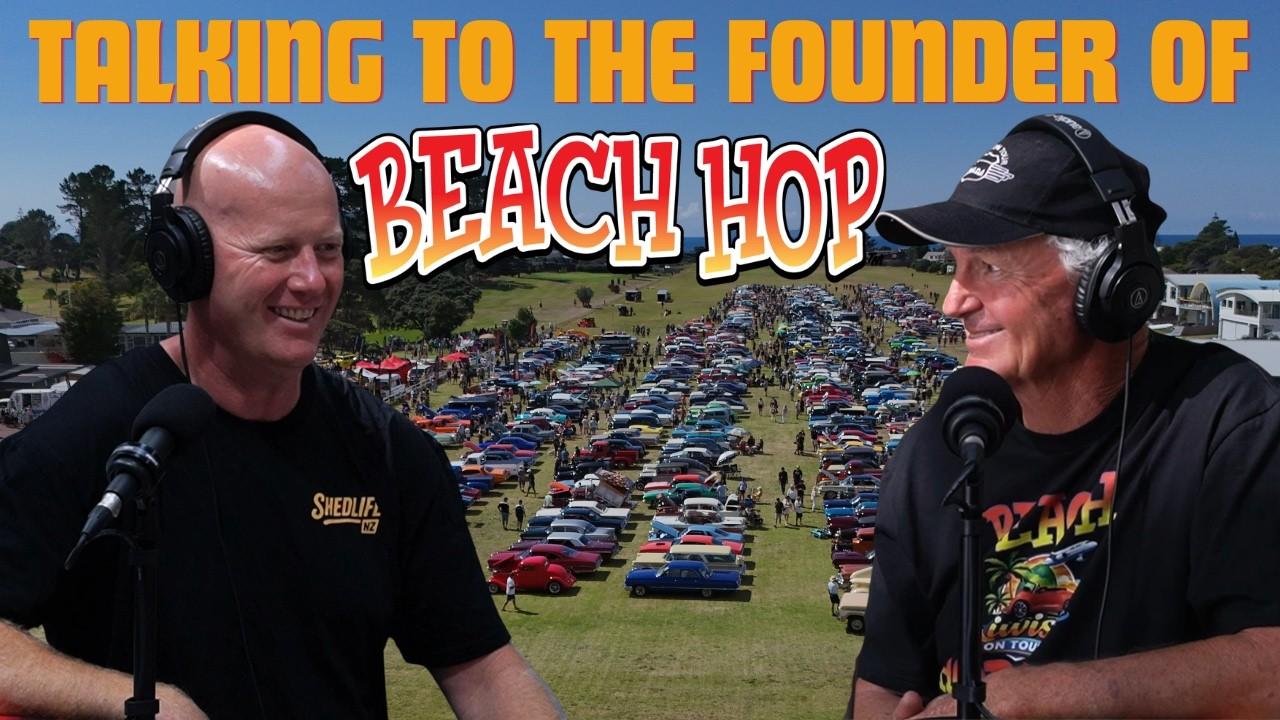
Meremere, a few minutes up the road, is the other half of North Waikato's motorsport story. Its drag strip has been pulling in car people for generations. Noddy Watts, the founder of Beach Hop, has said on the ShedLife podcast that a trip to the Meremere drags at twelve years old was the moment that set the course of his life. A lot of Waikato car people have a version of that story, and most of them involve this stretch of highway.
If you want to tie Hampton Downs into a bigger car weekend, our calendar guide at NZ car shows and events guide covers what else runs through the year.
From the shed: ShedLife Garage
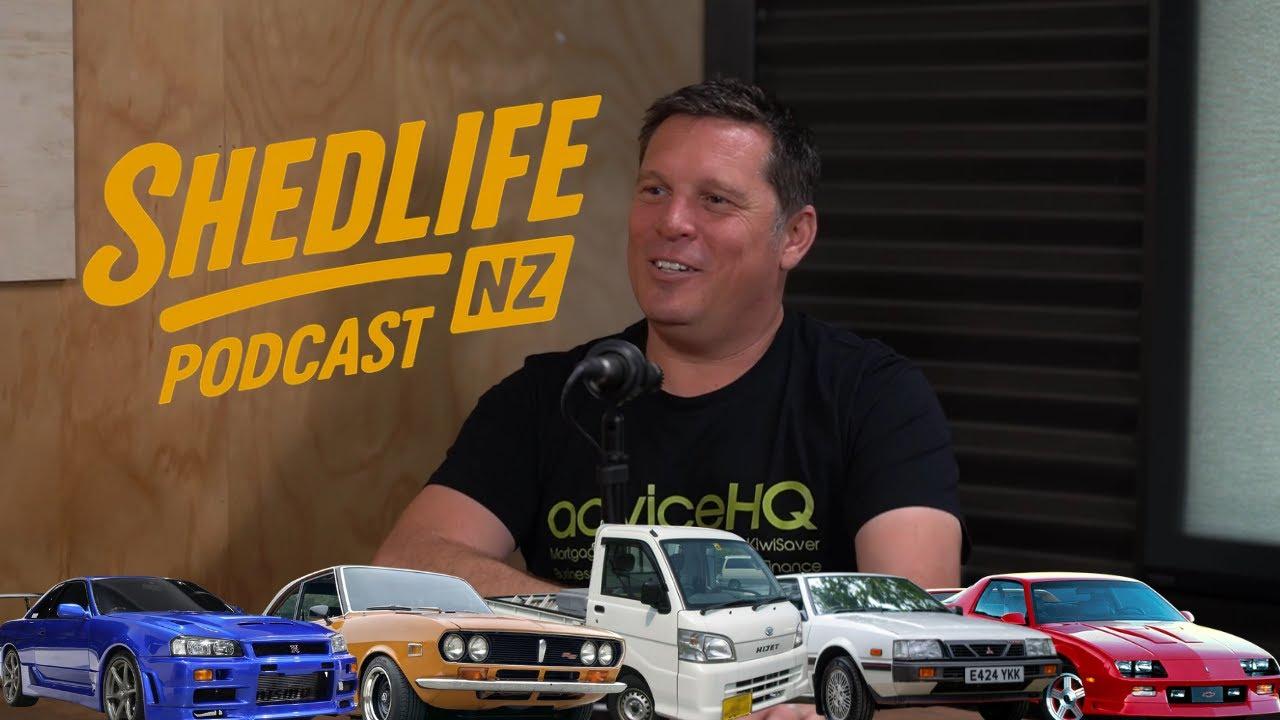
ShedLife Garage is the car-culture arm of ShedLife NZ, a podcast made in a shed in Eureka, Waikato. We cover cars, bikes, trucks, 4x4s, motorsport, builds and workshops, and Hampton Downs is in our backyard. Watch on YouTube at https://www.youtube.com/@shedlifegarage, browse the rest of the garage at ShedLife Garage, and if you have a build, a race programme or an event worth telling people about, go to /be-a-guest and tell us.