NZ speedway is a Saturday night under lights, the smell of methanol and hot rubber, and a crowd on the bank that includes three generations of the same family. It is one of the few sports where the people racing, the people fixing the fence and the people selling you a hot chip are often the same people. ShedLife came to it the way most Kiwis do: through someone who could not stop telling stories about it.
That someone is Graeme "Mintie" Mead, one of the Waikato's most recognisable sports commentators and the voice of speedway for a lot of people in this region. His episode is the anchor for this page. Around it, we have put together a plain-English guide to how the sport works, when it runs and what it feels like the first time you go.
Mintie's speedway
Graeme "Mintie" Mead's ShedLife episode is a bit different from the usual one-on-one. Jason is joined by KJ, and together they sit down with Mintie for a long, wandering conversation about rugby commentary, broadcasting, community sport and a media career that has put him behind the microphone for the Chiefs, Waikato Rugby and speedway in New Zealand.
The speedway story that steals the episode is the Tiger Woods one. Mintie called the night Tiger turned up at the Huntly speedway, had a beer with him afterwards, and years later helped arrange for a mate's dad who was facing cancer to walk a few holes with Tiger in Melbourne. It is the kind of story that could only come out of speedway, where the biggest names in the world can end up on a dirt track in a Waikato town and nobody thinks that is strange.
What Mintie gets across, without ever quite saying it, is why speedway gets under people's skin. It is loud and it is fast, but it is also a community with its own language and its own values. His line about giving, that if you do not give you cannot expect to receive, could be the motto of every volunteer club in the country.
How NZ speedway works
If you have only ever seen speedway on the telly, or typed "speed way nz" into a search bar wondering what the fuss is about, here is the basic shape of it.
Speedway races on short oval dirt tracks, usually a few hundred metres around, with cars and bikes built specifically for sliding through the corners. Meetings are made up of lots of short races, called heats, rather than one long event, so there is something happening every few minutes for the whole evening. Points from the heats decide the night, and the bigger championships add up results over multiple rounds.
The classes are where it gets interesting, and in general terms they fall into a few families:
- Contact classes. Stockcars and superstocks are the ones New Zealand is famous for. The cars are armoured, the drivers are allowed to hit each other, and team racing between tracks is a serious business with its own rivalries.
- Non-contact tin tops. Saloons, streetstocks and similar classes look more like road cars and race hard without the deliberate contact.
- Open-wheelers. Sprintcars, midgets and TQs are the quick ones, light and loud, and they tend to draw the biggest crowds at the larger venues.
- Youth classes. Ministocks are where a lot of drivers start as kids, learning race craft before they are old enough to drive on the road.
- Bikes. Solo motorcycles and sidecars race on the same ovals, and sidecar racing in particular is worth seeing at least once.
Each class has its own rules, its own look and often its own crowd. Not every track runs every class, so the programme on the night is the best guide to what you will see.
The summer season and your first night
Speedway in New Zealand is a summer sport. Tracks generally open in spring, race through the warm months and finish in autumn, with Saturday night the traditional race night. The exact dates shift with weather, track maintenance and the championship calendar, so always check the club's own listing before you set off.
A first night works best if you keep it simple:
- Get there before the first heat. The pits are often open to the public early on, which is the best way to see the cars up close and understand what you are about to watch.
- Bring layers. Even on a warm evening, sitting on a bank for a few hours after dark gets cold.
- Ear protection for kids, and for you if the open-wheelers are racing.
- Cash and card. Club canteens vary, and the food is part of the deal.
- Pick a corner. The best viewing is usually where the cars are sliding, not on the straights.
Entry fees, gate times and what you can bring in are set by each club, and they change, so the official club page or the Speedway New Zealand calendar is where to confirm the practical details.
The family-club culture
The thing that separates speedway from most other motorsport in this country is that it is run by clubs, and the clubs are run by volunteers. The same families turn up year after year. Someone's uncle is the starter, someone's mum is on the gate, someone's kids are racing ministocks while their grandad watches from the same spot on the bank he has used for thirty years.
That is why the sport survives on tracks in small towns that would never support a professional series. The money is modest, the work is enormous and people do it because they love it. It is also why the crowd feels different. You are not a customer at speedway, you are a guest at something the club has built, and if you come back a few times someone will hand you a job.
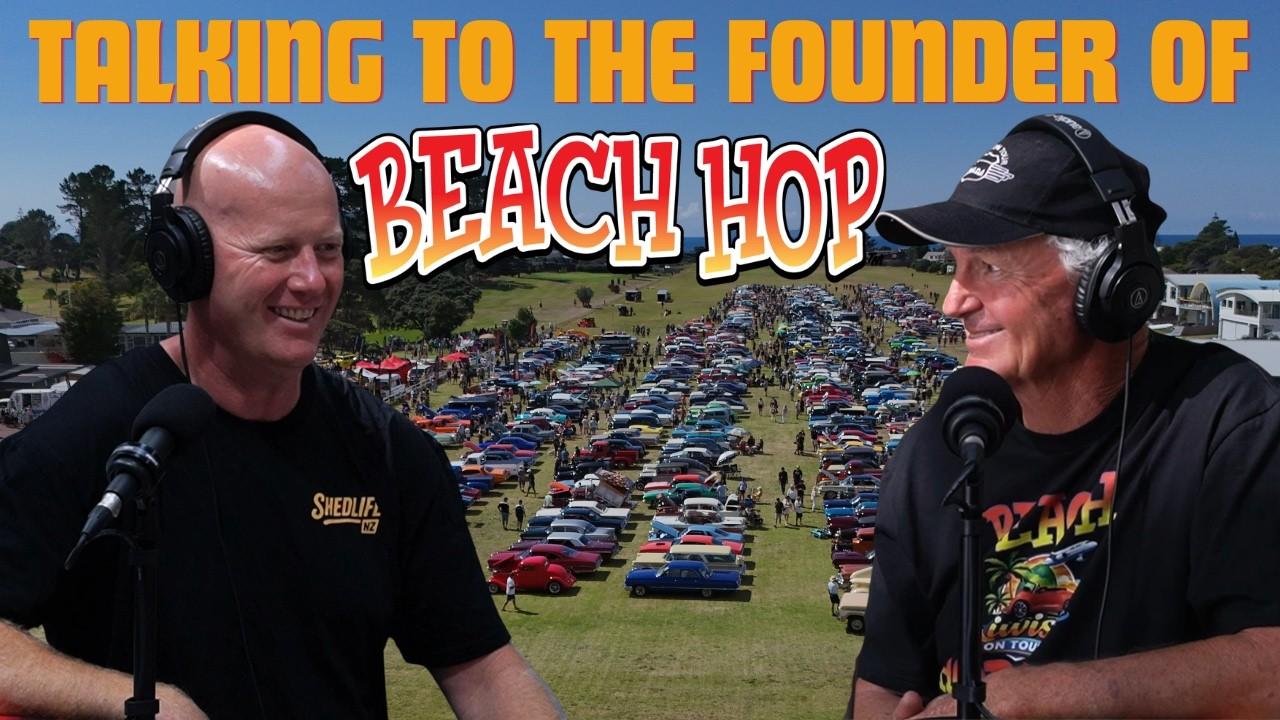
Mintie's episode captures that spirit without trying to. So does the wider ShedLife garage thread, from Noddy Watts and the Beach Hop story to the drift and motorsport conversations collected at NZ drift and motorsport. The common thread is people who gave their weekends to something that only works if everyone pitches in.
Speedway in the Waikato
The Waikato has a long speedway history, and the track names most locals know are Huntly, north of Hamilton, and Kihikihi, down near Te Awamutu. Within a couple of hours' drive there are more, from the Bay of Plenty to Auckland, and a lot of Waikato crews follow the circuit around the upper North Island over a season.
Which tracks are racing, what classes they run and when their big meetings fall changes from year to year, and we would rather not print something that is out of date by next summer. The reliable path is to find the club through Speedway New Zealand, then follow the club's own page or social channels for the current calendar.
If you are in the shed region and want to go, Huntly is the one with the Tiger Woods story attached, and it is hard to beat for a first night.
ShedLife episodes for speedway and car people
- Graeme "Mintie" Mead - Rugby Commentary, Speedway Stories and Real Life Lessons: the voice of Waikato sport on rugby, speedway, broadcasting and the night Tiger Woods came to Huntly.
- Beach Hop Founder Noddy Watts Talks Classic Cars, Route 66 Tours & NZ Car Culture: the man who built Beach Hop into a nationally recognised event on classic cars and American automotive culture.
- House Parties & Fast Cars - 90's NZ was loose enjoy the Stories with Ben Presling: a loose and funny look back at fast cars and a different New Zealand.
- Freestyle Motocross and BMX Will Lead You to Things You'd Never Believe | Jed Mildon & Nick Franklin: Nitro Circus, world-first tricks and the dedication it takes to ride at that level.
- The Man Behind the Grass for the All Blacks, Black Caps & Chiefs - KJ (Karl Johnson): meet KJ, who sits in on the Mintie episode, in his own first ShedLife conversation.
Where next
Speedway lives at the crossing point of two ShedLife threads. On one side is sport, with the rugby, cricket and combat sports stories that make up most of the show. On the other is the garage, where the car people, bike people and builders hang out. If you are a speedway person yourself, a driver, a club volunteer, a commentator or just someone with a bank full of memories, we would love to hear it. Have a look at how to be a guest on ShedLife.