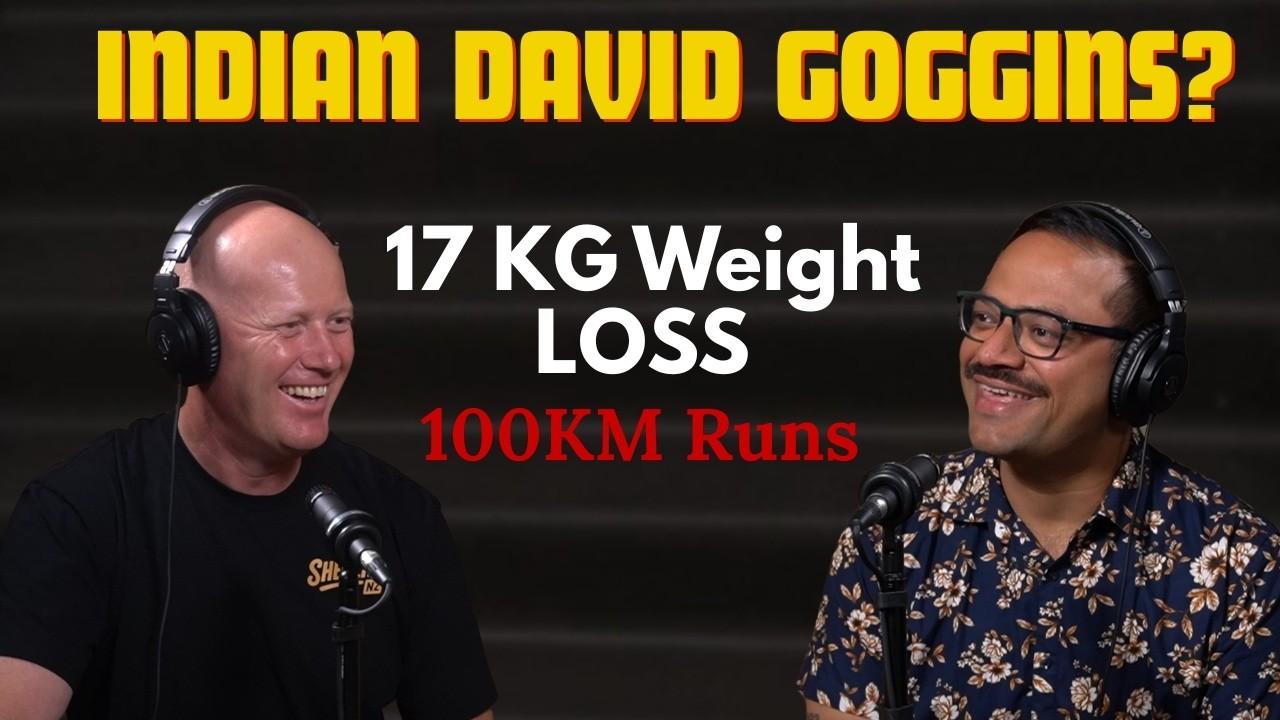
Ultra marathon NZ is a surprisingly wide topic. It covers everything from a first 50km trail run with a few mates to multi-day races across the back country. It also covers a growing number of ordinary people who get up before work, put in the kilometres and then go and run a shop. This guide explains what ultra running is, why New Zealand is such a good place for it, and how people get started, with the help of one Waikato-connected runner who is a very good example of the second kind.
What is an ultra marathon?
The standard marathon is 42.2km. An ultra is anything longer. That is the whole definition, and it leaves a lot of room.
- 50km. The usual first ultra. It is only a bit further than a marathon, which is why a lot of people try it first.
- 100km. A big step up. It usually takes a full day or more and means running through the night or at least into the dark.
- The miler. The 100-mile race, a serious undertaking that most people spend years working towards.
- Multi-day events. Staged races where you run a distance each day, or a single long race that takes more than a day to finish.
Some ultras are on roads, but most of the New Zealand ones are on trails. Trail running is slower than road running and harder on the legs in different ways, with hills, mud, roots and creek crossings. The pace is often a mix of running and walking, and walking the steep bits is normal, not a failure.
Why New Zealand suits ultra running
Look at a map and the answer is obvious. New Zealand has an enormous amount of public land with well-made tracks, forest, coast and mountains, and a lot of it is close to where people live. Trail running is easy to do here without travelling far.
There is also a strong event scene. The best-known name is the Tarawera Ultramarathon, which runs in the forests and lakes around Rotorua and draws runners from overseas. You can find the details on the event's own site at taraweraultra.com. Elsewhere around the country there are trail and ultra events at all sorts of distances, from friendly local races to hard alpine ones. If you are looking for a new zealand ultra marathon to aim at, a shorter trail event close to home is a good first step before choosing a big one.
Ash Parmar: liquor stores by day, ultras by night
The ShedLife episode that fits this topic best is Ash Parmar's. Ash runs multiple liquor stores in New Zealand, in person and online, and when Jason Davis sat down with him he was less than three weeks out from a 102km ultra marathon. The conversation runs for two and a half hours.
What makes it useful is that Ash is not a professional athlete. He is a business owner with staff, stock and a store to open in the morning. Over the previous year he had lost 17kg, and the episode is about how he built that into a routine alongside the rest of his life. The parts on discipline, routine and dealing with temptation apply well beyond running.
The episode also covers what running liquor stores in New Zealand is really like, including ram raids, retail crime and the politics around licensing. And it goes back to where Ash grew up in India before he came to New Zealand, which helps explain the work ethic that shows up in both the stores and the running. It is less about race tactics and more about how you keep a big goal moving when everything else is still happening.
How people get into ultra running
There is no single route, but the common pattern looks like this.
- Start with running you can sustain. Most ultra runners began as ordinary runners. A base of regular running matters more than any one big week.
- Build slowly. The usual mistake is adding too much too fast. Gradual increases, and rest days, are what keep people running for years.
- Get onto trails. Ultras are mostly trail events, so train on trails. The terrain, the hills and the slower pace are all part of the preparation.
- Practise fuelling. Over many hours you have to eat and drink while moving, and what works is personal. Try things in training, not on race day.
- Enter a shorter event first. A trail run of 20 to 30km, or a 50km, teaches you a lot about kit, pacing and how you handle a long day.
- Find people. Local clubs and running groups are the easiest way to find training partners and advice from people who have done it.
This is general information, not a training plan or medical advice. If you have a health condition, or you are not sure how much running is safe for you, talk to your doctor before taking on something big.
Road, trail and everything in between
If you are coming from road running, the first thing to adjust is how you think about pace. On a hilly trail, a ten-minute kilometre can be a good one. Time on your feet matters more than speed, and most ultra runners learn to judge effort by feel rather than the watch.
Kit is the second adjustment. Trail shoes with proper grip, a vest or pack for water and food, a rain jacket and a headtorch are standard for longer events, and race organisers publish a mandatory gear list for each event. Read it early, because the list is there for good reason when the weather turns in the hills.
Who actually runs ultras
Walk around the start line of a trail ultra and you will see people of every age and build, many of them in their forties and fifties, and plenty who came to running late. Few are full-time athletes. Most fit their training around work, family and sleep, which is why stories like Ash's land so well. If you have ever thought that ultra running in NZ was for other people, a look at who is actually out there is a good cure.
The mental side
Anyone who has finished a long run will tell you that the hardest part is not the legs. Long distances are as much about staying calm, breaking a day into small pieces and keeping going when you would rather stop. A lot of people find that regular running also helps with the stress of work and life. If that is a topic that interests you, our page on men's mental health in NZ covers the honest chats on the show and where to get help.
More on business and mindset
Ash's episode sits in our business, leadership and mindset collection. The Waikato business, leadership and mindset episodes are full of owners and operators who are doing something hard on top of the day job, which is exactly the point of the ultra running story.
If you run, build or train for something that surprises people, we would like to hear about it. Have a look at how to be a guest on ShedLife.