Community, Rugby · · 1 hr 58 min
Liam Messam: Boxing, Business, All Blacks and Chiefs Mana
Former All Black and Chiefs stalwart Liam Messam joins Jason Davis to talk club rugby, boxing, sevens and 1082 Performance. From nearly last at a Tietjens camp at 16 to the Hautapu reunion that brought him back, it is a chat about giving back to the game.
Play audio here
Best bits
In this episode
- 00:00Intro and Liam's resume
- 01:11Why Liam created 1082 Performance
- 03:28The logo and what it means
- 04:43Backing local: lion's mane and creatine
- 12:11The Messam 10s knockout tournament
- 20:57Club rugby and the heart of the community
- 21:44Feeling like he couldn't go back, and the reunion
- 29:09Telling club stories online and the Waitak Warriors
- 36:40Backing the kids and the volunteers
- 41:09Referees, sideline behaviour and what boxing teaches
- 49:35How boxing started for Liam
- 51:21Fight for Life and getting the bug
- 53:03The crew in his corner
- 54:51Six rounds in the ring with a pro
- 58:38From Rotorua Boys' High to the sevens
- 59:02Camp with Titch and coming nearly last
- 01:05:01He forgot to turn it off
- 01:10:41Fozzy at the kitchen table and the road to the Chiefs
- 01:14:35When Jonah turned up to his 21st
- 01:16:08Hautapu and club rugby
- 01:18:51Dave Rennie and building the Chiefs
- 01:24:00What it means to be a Chief
- 01:28:00Boxing, journeymen and respect
- 01:30:47Tana Umaga as a Chief
- 01:32:53Longevity over a long career
- 01:34:47The Commonwealth Games
- 01:38:51Leading the haka
- 01:43:54Fight night and what's next in the ring
- 01:45:35The Battle of the Groundsmen
- 01:51:06Backing local boxers and athletes
- 01:53:35Ashleigh Hoeta and supporting local brands
- 01:55:15Wrap up
About this episode
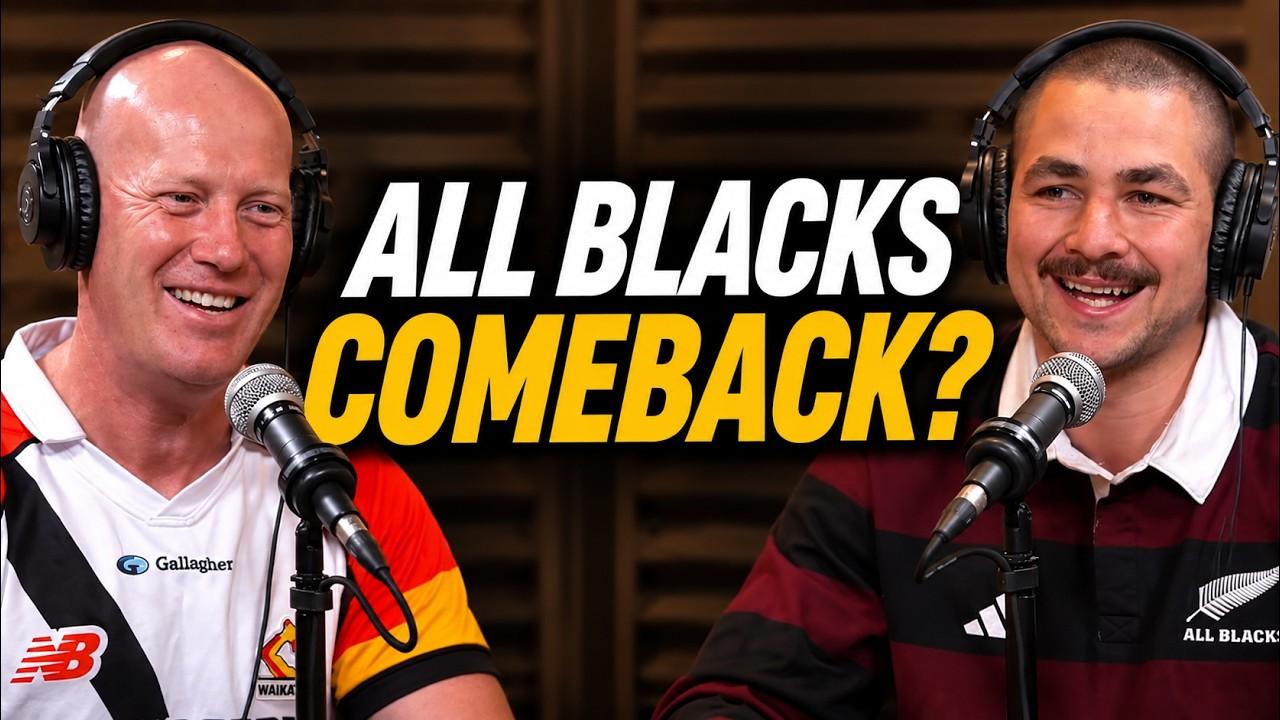
Liam Messam is a former All Black, one of the most capped Chiefs of all time, a Waikato centurion, sevens captain, Commonwealth Games gold medallist, Hautapu clubman and, these days, a boxer. He is also the athlete development and performance coach for the sevens and the founder of 1082 Performance with his wife Monique. This week he comes into the ShedLife Studio for nearly two hours with Jason Davis, and the chat covers club rugby, boxing, sevens, service and what it really means to give something back to the game.
1082 Performance, lion's mane and backing local
The episode opens with the business. Liam explains why he created 1082 Performance, what the logo means and why he is backing locally made lion's mane and creatine. It is a short section, but it sets up a theme that runs through the whole chat: supporting local people, local clubs and local brands. He comes back to it at the end with Ashleigh Hoeta and the local boxers and athletes he is getting behind.
Club rugby and the Hautapu reunion
This is the heart of the episode. Liam talks about the Messam 10s knockout tournament for local clubs, about getting players back to their home clubs, and about why he felt he could not go back to his own after retiring. Then there is the reunion that changed his mind and brought him back to Hautapu. He is open about backing the kids and the volunteers who keep club rugby going, and about telling club stories online so people outside the gate can see what goes on.
There is a section on referees and sideline behaviour too, and what boxing has taught him about respect. Dr Amy Marfell, Waikato Rugby's CEO, covers the same problem from the union's side.
Boxing: six rounds with a pro
Liam walks through how boxing started for him, getting the bug at Fight for Life, the crew in his corner and the six rounds of sparring with a professional that left him feeling like a walking punching bag. Later he talks about journeymen and respect, fight night, what is next in the ring and the Battle of the Groundsmen. For the wider scene, the NZ Boxing guide covers the fighters, coaches and voices behind the sport here.
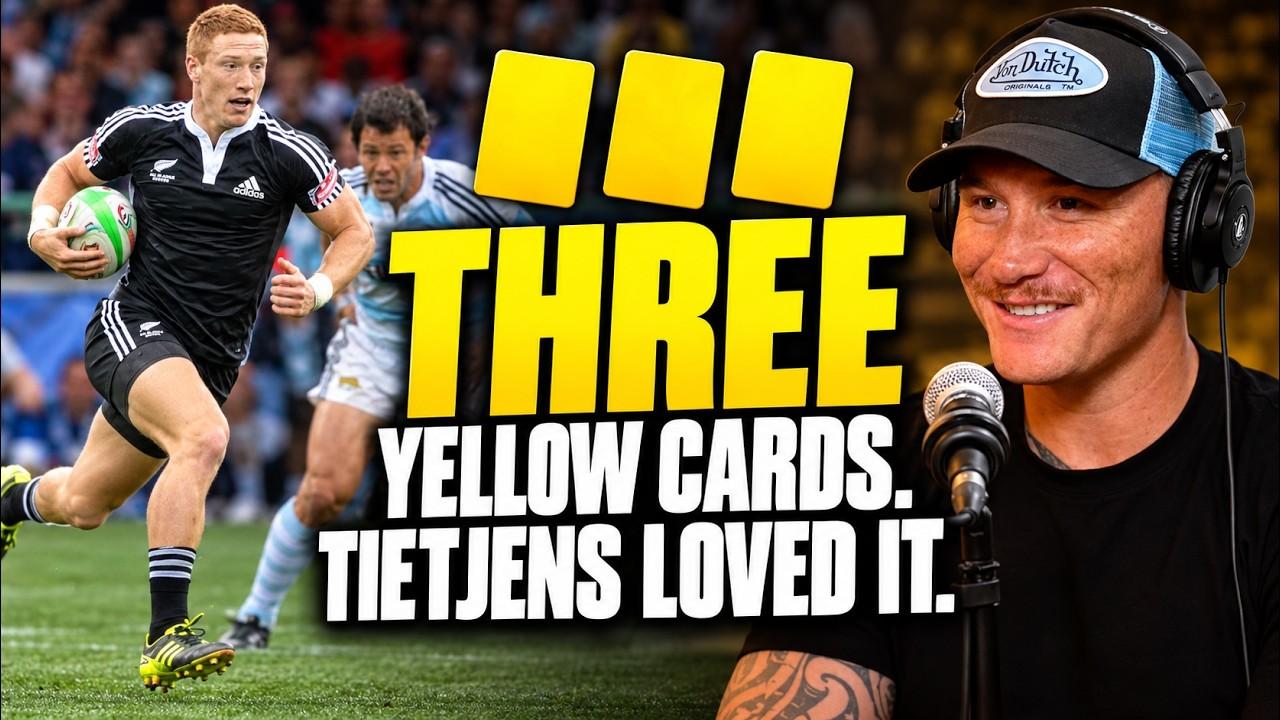
Nearly last at a Tietjens camp
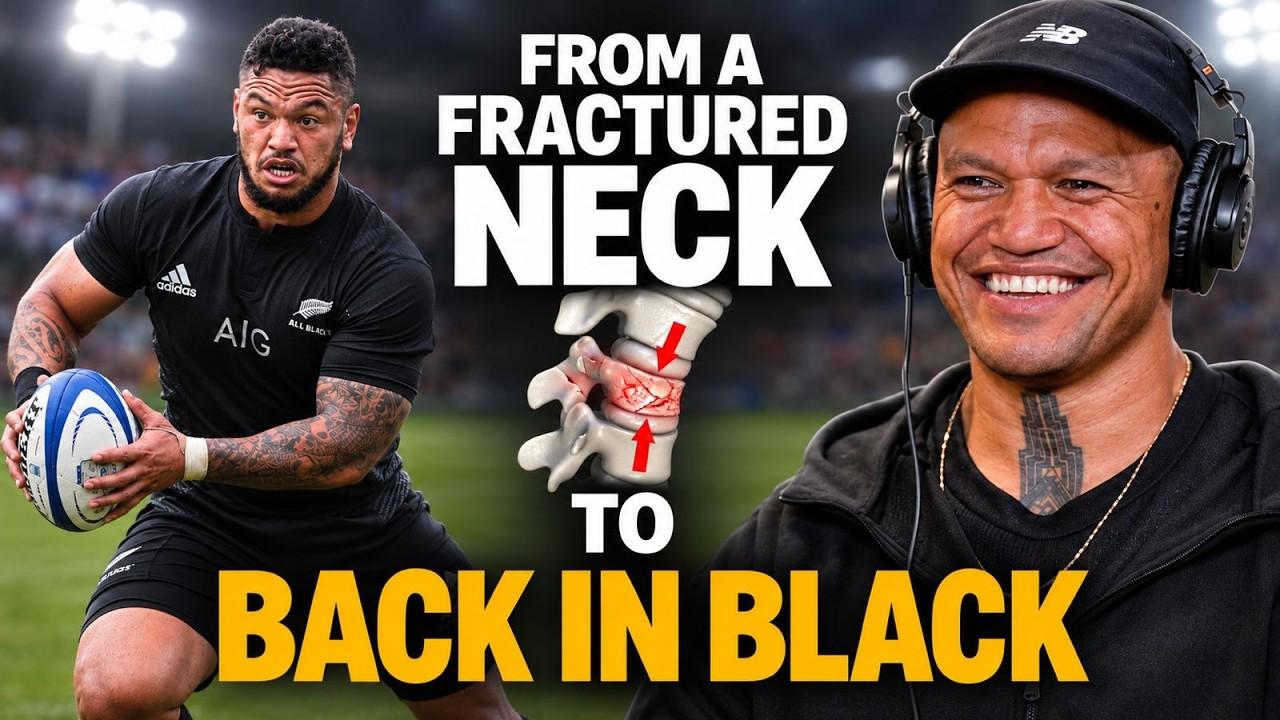
The rugby story starts at Rotorua Boys' High and the sevens. As a 16-year-old at a Gordon Tietjens camp he came nearly last in every fitness test, then was told he would have been picked if he had been fitter. That rejection is the one he says changed his career. If you want to know what training under Titch was actually like, Dwayne Sweeney describes his year in the programme.
From there it is Fozzy at the kitchen table and the road to the Chiefs, Jonah turning up to his 21st, Dave Rennie building the Chiefs, Tana Umaga as a Chief, longevity over a long career, the Commonwealth Games and leading the haka.
What it means to be a Chief
Liam says being a Chief is bigger than winning and losing, and he spends a good stretch explaining what he means by that: the culture Rennie built, the people who came through it and the standard it set. For anyone who followed those Chiefs teams, this is the section to sit with.
Why it matters
Plenty of former All Blacks talk about the top level. Fewer talk this much about the club they came from and what they owe it. Liam has played at the highest level, still loves the grassroots and is actively trying to make the game better for the next generation, and that is what makes this chat worth your time.
All of Liam's appearances are on the Liam Messam guest page. Ashleigh Hoeta, who gets a mention at the end, has her own episode: How Much Should You Really Be Able to Bench?. For the Mooloos, the Chiefs and club footy, see the Waikato Rugby guide.
Questions people ask
Who is Liam Messam?
What is 1082 Performance?
Which club does Liam Messam play for?
Who is Liam Messam's wife?
Does Liam Messam box?
Mentioned in this episode
Transcript
Generated from the audio, so expect the odd wrong word or name. Timestamps open that moment on YouTube.
0:00I was only 16, I didn't know much. I was terrible at all the testings. I think I came last or second to last in every single testing. But I got to the games and I actually was alright. I was holding my own. And I thought, oh, not bad. Against growing ass men here and some of the legends of the game and I sort of hold my own. But then Titch sort of pulled me aside and said, told me the positives and negatives and said I missed out. But he said if I was fit, he wouldn't pick me because he's, you know, one of his big principles is,
0:30you need to be fit to play sevens. 100%. That sort of, that, or that definitely flipped a switch in me. And from that meeting that I had with Titch, I just, I went crazy. I just ran every day. I didn't know much about training or nutrition, but I, you know, stopped eating junk food, Cokes, pies and all this, everything.
0:53And just went crazy for the next six, seven months. And then the next nationals came around, played that. And then, yeah, got selected for the New Zealand sevens. But like I'd done, I think it was six rounds with Francis before his last fight. Yeah. It was an absolute massacre. Like I'm massive compared to him. And he was just like, smacking me around, making me look like an absolute amateur, which he should.
1:15Yeah. And, but like, he wasn't even like hitting me all the time. It was just his constant pressure in front of me just like tiring me out. And I was knackered. Like I was gone. I was just like, what the hell? And it was just literally just because his knowledge and his, you know, where to go and what to do.
Read the full transcript · about 107 min
1:28Yeah. And that's what I love about it too, though. Cause like, if you don't get to hiding, you don't learn from, from it. So, you know, I, yeah, I took a lot from, from doing that six rounds with Francis. Sometimes I think people feel a bit shy or don't know if it's their place to go back after playing or whatnot. I definitely felt that when I retired, I felt like I couldn't go back.
1:48I don't know why it was just a feeling. And you ask any other players, that's the same sort of feeling. They get that feeling like they, I don't know, just don't feel like they can go back. There's like a timing thing where we sort of, yeah, it's hard to explain. Um, but once you get over that and you, you go back into a club room or go and back into wherever your old work, it's like the best feeling ever.
2:09So this year. Welcome to ShedLife. We've got an awesome episode for you on. This is a bucket list. We did a few like Huguuru, I want on the podcast, absolute legend, husband, father of three, entrepreneur, 1082 performance, me some tens, all blacks, one of the, just the most captive ever chief, Waikato Centurion, sevens captain, Commonwealth gold, played for the mighty Holtapu as well as a boxer, current athlete development and performance coach for the sevens.
2:38Pretty long resume. Liam Meeson, sir. Welcome into the ShedLife studio. Thank you for having me. It's a pleasure and honor to be here. It's right back at you. Um, as I always say, we love just having a chat to good people working hard, um, going out there, maximizing their life, serving the community, doing their thing, um, and just giving whatever their shot at life is the best crack at it.
3:02Um, and that's what I certainly watched and admired it from afar with it, run into it a bit over the boxing world with, um, obviously you've got coach Cairo. I've got coach Sean, the older brother. Um, so great guys seen it there, but yeah, awesome opportunity to sit down. But what I wanted to start with is to share a couple of lines, man. Um, you've got your 1082 performance brand.
3:27So every afternoon after lunch, I like to have a couple of these to keep me sharp for the afternoon. So I thought I'd crack and enjoy a couple and then I'll pass them over to you. Um, what got you involved with your wife and clinical psychologist Monique and, um, yeah, what a great time. Ask a question. Yeah, well, I'll just have to pop a few lines, man.
3:51Uh, what got me into, um, creating 1082 performance? Um, yeah, it's just obviously having the background that I had in, in, in sport and, um, the, the impact I've seen, um, concussions have on my mates. Um, I was lucky enough only to have a couple in my rugby career, but I've, I've seen my teammates, um, have to retire through it.
4:12I've seen teammates struggle, um, and getting to really low parts of their life through, um, concussion. Yeah. Um, so even when, when this opportunity came about to, to start something like this, um, yeah, I just thought it was, it was a great way, um, to be able to provide for our, for our athletes and not just athletes.
4:30It's, it's obviously gone bigger than that. Um, originally it was, it was for, you know, the players that I've played with or, um, athletes, but it's, it's actually bigger than that. It's, uh, for everyday people. Um, and obviously there's a lot of research, um, around the two supplements that we have with lines, man, and, um, and creatine.
4:45Um, and then obviously with my wife's background being a, um, doctor of, um, psychology, clinical psychologist and, um, her values and beliefs around, um, mental wellbeing and health and whatnot. Um, really those two sort of things align together and yeah, that's where we came up with a 1082 performance and, uh, we got a lot of comments that people thought it was like 1080.
5:06Bad 1080. Being 1080, but like the number's my all black number, um, which means a lot to me. It's a lot of hard work. Um, and that's, that's the reason why behind the, the 1082 performance name. Um, but yeah, something that we're really proud of and something that can hopefully grow into something, uh, a bit bigger than, than what it is here.
5:24But, um, yeah, it's just giving people opportunities to, to look after their, their mental health and their wellbeing, um, through, through these two supplements at the moment. Yeah, cool. I'll talk lines, man, in a moment, but I wanted to ask before I off track, um, the power of the logo. It's, you've got 1082, but no doubt there's a meaning behind the logo and how did you come up with that?
5:47Cause it's very cool when you look into it. Yeah. I've got a, uh, a really great mate named Dave Burke, who does a lot of, um, a lot of work with rugby, especially with the chiefs jerseys. Yeah. Um, he's what you call him like a digital designer guy, but his, um, his knowledge and his expertise, um, especially in Te Aumaluri, um, is yeah, it's just phenomenal.
6:06Um, so we've gone for the potom design in the back, which has been always striving to be better. Yeah. Um, and then we've obviously got the, the three rongas, the peaks, where it's sort of your own pursuit, um, of whatever you're chasing in life. Mm-hmm. Um, and everything comes in, in threes, um, you know, past, present and future.
6:22So, uh, that's where the, that logo comes from. We've got the, the hammerhead shark in the middle. Um, that's more representing never giving up, um, that sort of attitude that I've always been ingrained in. Um, really just going for it and, um, yeah, going hard for it. So, uh, that's where, where that logo came from. And yeah, it's, uh, like I said, the, the meaning behind 1082, um, means a lot to me. Um, so.
6:47And so with saying that the meaning behind that, you're putting your name to it, the business, and this is her chatting. I first heard about Lion's Mane Mushroom maybe about five years ago. I was listening to a Joe Rogan podcast. This dude, Dr. Paul Stamets, was on there, and he's talking all about the mycology and all the different, mycelium and the mushrooms and everything. And the absolute king of them was Lion's Mane.
7:10Um, and he was talking about that. And so I wanted to get into it and I've been having Lion's Mane for a few years, but what initially the only Lion's Mane that I could find that was available was Chinese growing and then imported into New Zealand. Um, but this is actually New Zealand. Yeah. Growing. So what I love about this is like, this is a massive journey for myself.
7:33Yeah. Like, um, I was literally in a, um, protein shop next to Les Mills in Hamilton. Um, and just talking to the guy there, Tom, awesome dude. Um, he's, he's a massive, um, help here for me. And, um, someone that I lean on quite a bit for this brand. Um, and he just got me into understanding the difference between supplements and what they can do for you.
7:54Um, and we came across this, the Piki Piki, um, Kaurora from, um, Raglan. Yeah. Um, we went to the actual facility out there, similar shit to this actually. Yeah. Um, so we went out there and they're growing their own, um, their own Lion's Mane, which is awesome. Um, so we sort of collabed with them and, um, yeah, put it into our bottles and even the, the creatine, um, the Kriapure.
8:16Um, there's a lot of different creatines out there, but the Kriapure is, um, known to be, you know, the best out there. And that just came about literally because the guy was a massive All Blacks fan. So Kriapure is from Germany. Yeah. That's one of the biggest, um, manufacturers or, um, supplement companies over there or in the world.
8:34Um, this guy loved the All Blacks and A and B sort of came together and met him. And, um, we're lucky enough to get our hands on to Kriapure and, um, bring it, bring it up to New Zealand. So. Yeah, man. Awesome. I mean, I think for the people that understand and follow the supplements industry, I'm not going to bag anybody, but, you know, there's been a fair, fair amount of media and exposure of what you're paying for is not necessarily what you're getting and people repackaging and doing things and lots of that.
9:06So you want to know that you're getting the good stuff. So I suppose that's it with Kriapure and your name on it for the creatine side. And then I just think there's nothing back, better than backing Kiwis. Yeah. And I like, and I love supporting, um, especially local in the Wakatul. Yeah. I'm really proud, um, you know, chiefs man and really proud of where I come from.
9:24So to support and, and to have this growing here in Radley, like it's, it's unbelievable. And that's only one of the mushrooms they have. Yeah. If you ever get a chance to go out there to, to have a look, um, mine's the company. Yeah. And they've got different types of mushrooms and it's, it's quite, yes, it's, it's, it's, it's, it's been a hell of a journey.
9:39Like myself, I'm learning heaps all the time about, um, about these different types of supplements and the effects and the positive impact they can have on our life. Yeah. Well, I find it, and we were discussing off here, my wife, uh, had a huge and horrendous car crash and had massive concussion. And I think this is, it is like for yourself, obviously in rugby, I've done the same for sparring and walked out of it sometimes.
10:02Whoa. You know, like, um, you think, oh yeah, obviously there's people like us that have had it. But I think there's also, I think of my wife, I think of good friends that have been in car crashes, you know, and so many, you know, people have been and have actually had some really bad concussions. We don't realise it.
10:19It's not, a concussion is not just the domain of the professional rugby player in boxes. There's so many people and it helps so much. So Frida has this mush-borne blend, um, and she's had found it's had a huge benefit. I know it was Paul Samets, he was talking about it was like his mother's, and I'm not, it's not a doctor, you know, um, but a huge benefit, um, from the mind and the memory.
10:44And I think it's, um, I notice that whenever I'm taking it, I feel sharper and it makes a difference and then it stacks on top of it. Um, we're also saying, and I've been on and off the creatine, I've wanted to say it's a love-hate, but it's more just a hate relationship with how do I have my creatine?
11:00And now that it's like, oh, five grams a day is just, is just the, the beginning, the more the better. But that, you know, back in the nineties, me and my brother Sean were like scooping it cold, dry into our mouths and eating it. Um, but yeah, my favorite these days is just getting five grams and just having it in my coffees every morning.
11:21Yeah. You're on the same drug. Yeah. I'm a big, big, big fan of creatine. Like the research out there is just amazing and what's come out. And, um, I definitely, after sparring, um, I definitely probably take more than five grams of creatine. Like I feel a massive difference after taking creatine. Um, but also, uh, unfortunately like lost my mother to dementia.
11:41Um, and so the research and study around creatine and the brain health around that, um, is another really driving factor for me to understand more and hopefully bring up more products to help people with, um, just a better, um, life of living really. Um, so like there's only two supplements out there in this world that can actually help.
11:59Um, again, I'm not a doctor either. Yeah. Um, but the research, um, shows that these actually, um, can help you. Yeah. One hundred percent. And I've, I know it from a fact from both of them is that helps in mine and when I've isolated and done it, but the research behind both of them, I mean, creatine massively, but I think what they've shown is same again, creatine was just, I mean, for professional athletes or dudes like me that are just like trying to put on some muscle in the gym.
12:24So it was just like assumed that was only for meatheads just like eating it like, but now it's like, no, it's way more of actually a mental enhancer. It helps the brain and its side benefit is like, yeah, sure. It can help you stack on some muscle or something. Um, so yeah, if you're not on the creatine train, jump on it.
12:46Super good value for money as well. Like it's, it lasts a long time and you get it and yeah, the mind benefits of it and you can get better. I think that's what I've noticed is I've sharp, I feel sharper now than I was 10 years ago. You know, like, and so I've got older and theoretically it's declined and I'm only 45, but you know, like people like, how do you manage everything?
13:08How do you perform it? Is these sort of things make a huge difference and it's so much better than just more caffeine. You know, like it's, yeah. You know, get the energy boost, the clarity boost, but then not without the cash. So I think it's super cool.
13:21Um, where did it all start? I suppose we could go back to, I mean, people are going to hate me if I don't start talking it out. I've got the, got the jerseys on. Um, we've got to talk about a bit of rugby, but where did me some tens come from? Cause that's, that's come across. I think we're going to, normally I'll start on something and then we go back to the beginning.
13:44But I think I wanted to change it up a little bit and just talk about a few of the things that are happening right now. Um, and then people love it. You can, don't worry, we'll get into it. We'll go talk some chief startles. You know, I'm going to ask some, I'll ask some stories about some chief startles.
14:01I'll ask you about a yellow card and a world cup, these sort of things. But, um, I thought me some tens was pretty exciting. It is always at the moment, and I think it's annoying, too much negative chat about rugby and what's happening with it. What inspired you to try and start something new and different that's certainly capturing the imagination of a lot of people?
14:21Yeah, well there's a couple of different cope-uppers to the me some tens. Um, the first one's obviously the rugby. Yeah. I just want to give back to the game of rugby and the opportunities that tournaments like these gave me when I was younger. Yeah. Um, and then just, uh, like you said, the narrative of rugby at the moment is dying.
14:40Yeah. Club rugby. So, um, getting players back to their club, um, being proud to represent their club, um, and just getting club numbers out there really, and doing it in a format that's different, that's really hasn't been done here in New Zealand, where it's just a straight knockout. Yeah. You get no second chances. Either, either progress to the next round or you're straight into the, uh, the party tent with the, the Grins boys.
15:02Um, so there's a lot of money on the line too, like 35 grand, uh, for the men's is, is, is a lot of money, uh, which, uh, has got a lot of excitement and a lot of people, um, teams sort of excited about that part. But the, the deeper cope-uppers behind it is, uh, to support a mental health organization called Last Chance Project, which is in Hamilton also.
15:22And they do a fantastic job. But, um, what I love about them is that, um, they're not all about just driving awareness because we all feel like there's a lot of awareness here in New Zealand about mental health and, um, but it's how we can action it. So we know that physical, um, physical work or physical, you know, anything physical is going to be good for your mental health and, and social connection is going to be good for your, your mental health.
15:46So, um, putting those two things together. So the physical part is the rugby and the social connection is coming all together, um, at this event, um, and, you know, using rugby as that vehicle. So, um, we know that those two things will help men and their mental health. And it's not about, you know, yes, it's checking in on your friend, but it's, you know, maybe reconnecting with someone that's gone away from your club two, three years down the track and you want to bring them back in or, or something like that, or just bring people back together to have a sort of sense of belonging and a sense of purpose of what they're trying
16:17to do and that can really, um, it benefit, um, someone's, somebody's mental health and their spirit and their energy, um, and their wairu and what they're trying to go about. So, um, yeah, that's, that's the deeper ko-papa behind the Missum Tens. Um, obviously the, the rugby part's the, the easy part. Yeah. So we'll just, so it's going to be 35 K on the line.
16:38So 32 men's teams. Yes. 32 men's team. We have had a few teams pull out, which is, which is all good. I understand. Um, this, this day and age people always need content or need, what's the word? Not clarity, but like justification that this tournament's happening or something. So I'm, I'm old school. So like when I first put out the dates and whatnot, I just expect like, that's it.
17:03That's all you need to do, but obviously not. And that's a good learning for me. So we've had, have teams pull out, which is, which is all good. Um, so we are trying to aim for 32. I think we're down to maybe 26 at the moment. So we are still trying to look for teams. So if the teams are out there, um, three to five grand's a lot of money.
17:19Um, but again, it's just that cope up of bringing people together. It's going to be such a good day. But so let's just play it. So 32 teams. So it's going to be 16 on 16. Yes. Then it's going to be 16 teams get to then just enjoy some grins, enjoy some sideline commentary, you know, have a laugh.
17:37Then it's going to be 8v8. 8v8. Yep. Then 4v4, 2v2, then 1v1 for the winner. That's it. Um, I'm pumped for the day because I can just sense the excitement, you know, as it's going to be building throughout the day and just the atmosphere on the sidelines. How long's a 10s game? 10 minutes, half. So 20 minutes.
18:03We also have 16 women's teams. Yeah. We've had a couple of women's teams pull up because there's one team that has Portia Warden in it. The go-to of women's rugby. And I think some teams are a bit afraid, but a one-off game, anything can happen in a game of rugby. It's 10 minutes. Yeah. You know, they could be under the pump.
18:19They could be knocked out. Easy. Yeah. I think that's a smooth operating, almost family, you know, like local team that just knows it, passes it, plays touch together and these sort of things. And that could be a real live wire. And the comparative to, I'll just use, I'll give an example. One time when you're watching MPC, the blessing is the curse is when you get all the all blacks turned back up and you take a well-performing team that's just new, or you know the guys are doing it and they know it.
18:51They know all the passes and that. And you chuck a bunch of superstars in there and suddenly, I don't know, not always, but it's... Not always. So that's the case though. Like it's, especially with these tournaments, like say a typical sevens tournament, you'll play a pool game. So you might have one bad game and then build into the tournament.
19:08But here, you have to, your first game, you've got to be on. Yeah. Because if you're not, you're gone. Yeah. That's what I love about it. And it's different. It's exciting. I know the idea came from the, I think it's called the Kuri Nines over in Australia, in the league. I think they have like 300 teams. Yeah.
19:25It's indigenous. It's crazy. And I think it goes the whole weekend. So, you know, something different like this. Yeah. It's just different and you have to be on or you're gone. And so, and it's also the same. So it's going to be for the players, but bring the kids down, watch the rugby, just enjoy it. So food trucks.
19:42Food trucks. I think we're still working on some bouncy castles for the kids. Yeah, man. But, you know, Dawson and Ty, the other two that are behind the scenes of the Missing Tens, like we've got an awesome committee that are working really, really hard behind. They'll look after the kids on the bouncy castle, go and, you know, enjoy the rugby, enjoy the food.
19:58It should be, it is going to be a great day out. Yeah. You can just see it. You know, let the kids run around. There's nothing more fun than always kids at the rugby grounds that grow up on it. You know, just run around, let them have it and enjoy it. Let everyone play it around. I think this is, and you've caught on to it, is there's a lot of awareness for the mental house.
20:16And, you know, I'm never going to try and downplay anything. But the biggest thing I've seen is I still play hockey. You know, we're in the hockey team, men's hockey, is the power of trying to, of being a part of a team and showing up and having a chat with it all. And it's good to ask the questions and that, but I've got guys in the team that have just said, man, we've been through it.
20:35And I've been one of them. You know, you go through all the super tough stuff, but sometimes it's just so nice to come in and see guys. You don't even need to do it. It's just play the game together. Do it as. That's what sport gives it. This opportunity to go and hang out with other guys. And then even as you're getting older, we joke all the time on the stick, man, it's the senior management team.
20:54The senior management and dugouts now sometimes there seems to be more senior managers than players. But I think that's also a key thing. And I think if you look back in rugby and sports, it was very, you do your playing days and then you just jump into your supporting days at your local club. And sometimes that's been a little bit lost or people think, and I think this is one of these things.
21:16And hopefully you can help try and help break it. Because people have such high standards. Oh, but if I wasn't, I didn't play this or I didn't do this, then maybe I shouldn't be welcome at the club or I haven't done this. So it's just like, no, man, just come back along. Kiwis are friendly. Kiwis want it.
21:32You know, like, and if you've moved to a new area, you'll be surprised at how welcoming the local rugby club is. It's just come along, support the boys. If you're into it, grab a handle, have a beer. If you're not, just grab a side. You know, like, watch along, give them a bit of a cheer and you'll find a community that is going to be very like-minded, that are going to be keen to support.
21:53And then I think one of the big things that's hugely beneficial was having a service mind. And so back in the day, Kiwis were just obsessive with serving the community and serving each other, whether it was organized through things like Lions and all these other clubs. But that gives that purpose. If you're wondering, what should I be doing with the time?
22:13And you're like, yeah, easy for you to say, Jason, you know, Liam, you don't keep playing rugby and sports, man. I'm 55 or I'm very, it's like, if you can give to others, that makes everything put into perspective, like helping out. And there is innumerable community organizations that could do with a hand. And I'm always going to start with sports, but, you know, the sports club's always going to need somebody to help clean, you know, clean the thing, you know.
22:41Ladies or men in the kitchen these days, you know, help do these things. And suddenly there's a much bigger reason and meaning. And then the tough times can be easier to get through when you're like, okay, I'm still going to go down there and help cook some sausages for the boys or the girls these days. Well, you're 100% right.
22:55Like rugby clubs are the hub of the community. Yeah. You know, and like when I was growing up, you'd spend the whole day at the club from junior rugby all the way to the senior men's. And I really, when I went to Argentina last year, just for a little trip to watch the All Blacks, we went to a club and they had from five-year-olds all the way up until senior men's, just training, must be from after school.
23:21And this was like 10 o'clock at night. And the club was absolutely packed. And they said that's the same in the weekends. So, and it's always been, it's sort of been like that here in New Zealand. Like that's always your, you know, your community hub. Like my wife's club is Te Pukki Sports. And what she's spoken about, that club is the same thing.
23:37It's the hub, you know, it's the heart of Te Pukki. And it's where you can all go and keep you grounded. You can give back to the club, to the thing. And it's just about having that.
23:49Sometimes I think people feel a bit shy or don't know if it's their place to go back after playing or whatnot. I definitely felt that when I retired, I felt like I couldn't go back. I don't know why. It was just a feeling. And you ask any other players, it's the same sort of feeling. They get that feeling like they, I don't know, just don't feel like they can go back.
24:07There's like a timing thing where you sort of, yeah, it's hard to explain. But once you get over that and you go back into a club room or go back into your old work, it's like the best feeling ever. So this year we had a 2011-2015 Rugby World Cup reunion. And it's the first alumni thing that I've ever been to.
24:28I was sort of umming and ahhing about it, but I was like, oh no, you know, stuff it, I'll go. And honest, it was the best thing I've ever done. Just reconnecting with, you know, some of my closest mates and just going back through old memories and stories. I was just really, really good for the soul. Um, so that's sort of like changed my whole narrative and perspective around like going back to your clubs and, um, yeah, just reconnecting with old teammates and old, old, um, staff members or whatever it may be.
24:54Yeah. I think that's, it's pretty epic that you would say it. And if it's, if you would say it's, it's a common thing. It's like going back to the club. And I think this, maybe I could give this as an example and say, is most people's rugby league insert sport journey comes to this end. But if you're playing, whether you're playing senior men's division B or whether you're playing for the Chiefs or something, chance I, you either can't physically do it anymore and they want you to keep going, you know, like come back and you're like, nah, man, shoulders, knees, everything, maybe the kids, maybe like these, these other reasons.
25:31So you've sort of had to weed yourself out or on the flip side, which is probably maybe more likely on the pro side, but it's like, Hey man, you're not up to it anymore. You know, like we love you, but you know, somebody else is coming in. So there can often be this sort of jarring crossover between playing and then going over.
25:50But if the club and the people want it, is it still your mates there. It's, it will be a bit harsh. And if it's hard for, if, if Liam Mason went through it, that's definitely going to be the case for Jason David, you know, your normal dudes. And I think that's going to be one of those ones is, but if you can push through, it's so much better on the other side.
26:10It is so much better. Yeah. Um, and we even have that if literally like our hockey time, Hey man, my knee's done or, you know, like I can't keep it. It's don't worry, man, jump in the senior management and the dugout, you know, come and hang out. And when the guys come back and like, Oh, this is fun.
26:25It's just fun to get out on a Monday night and support the team. You know, like there's always going to be a spot somewhere. Yeah. Like you said, either the management or just being a supporter or whatever is working behind the bar and the kitchen. Um, your kids like now my son plays for Hotapu. Yeah. So the whole reason why I took the 10s to Hotapu because that's, that's my senior club when I came and moved up here to, um, to Wakatau.
26:47Yeah. And they'd done so much for me. So I just wanted to go back to that club and now my son plays for them. Yeah. And I almost say it's one of the proudest days of my thing when I get to see him run out in the, in the Hotapu colours. Um, and like, you know, it's just awesome that they want to spend the day there.
27:02Yeah. Be the ball boys, run around with their mates, have a pie and a Coke in between and, and, and do that. So, um, yeah, the club, club, club rugby, like it can't die. No. Like it's the heartbeat of New Zealand rugby. I know at the moment we're going through all this thing with rugby and New Zealand losing all this money.
27:21Um, and everyone has opinions about it and I don't get paid to, um, you know, but my opinion, but, um, my biggest thing is that you just, you know, you can't lose club rugby. You got to grow it. Cause that's, yeah, that's the heartbeat of New Zealand rugby. Yeah, man. I've got a, um, I hear it and I see it.
27:38I don't really have any answers on that. I have a few. I think it's just backing the clubs, back the clubs, talk about it and promoting it. And that's one of the things I love doing here. Me and Quinton, he plays for Hotep. They won the title, you know, like his, as we love talking Heartland rugby. I love talking like local Horeki North rugby, you know, league, you know, like I've got big between our Whitehook Warriors.
28:02We're just playing in the Horeki District Rugby League. So you're like playing the Mania Marcos and Taito or Tony. Is it still good rugby? Is talking about it, promoting it, you know, um, that's going to be the key and realizing how close. I think this is what I've really appreciated even more so this year. It's the quality of senior, because people said that it's not the same quality.
28:23This is what's confused me. I couldn't believe how quality the club rugby is. Senior Premiers rugby. You know, you're like a Holtappi versus Hamilton Marist final. I was like, oh, okay. There wasn't that big a change to step up to the MPC level, you know, and they're almost playing at Heartland level. Like, you're seeing great quality rugby.
28:43There's heaps of tries getting scored in that. And you're like, and then some of those dudes are going to be super rugby. And that is like the quality of the rugby that you get to see at your local club round is excellent. Yes. And you're then connected. It's like, it's your mechanic, it's your builder, it's your students.
28:59It's, you know, it's cool. It's, um, it makes it way more closer and interesting. Well, the All Blacks got to come from somewhere, right? Yeah. And they got to come from your club rugby. So you might be a superstar at school, you come into school and you're playing up against a 35 year old builder who's had a tough week and just wants to get onto the footy field, smash some young fella and have a few beers after the game.
29:19And that's why he plays footy. And like, it's so refreshing when you come from the high performance and you come back down to grassroots and just like, my favourite thing when I go back to club rugby, when I was playing or coaching, whatever, is like listening to the team huddles before they go out. It's just like the best, like you should turn that into a podcast.
29:37Like they are the best, like ever pregame sort of pump, you know, get each other rough. I'm just like, oh, these guys are literally just here just to like, you know, just for a good time and, and, um, and have a few beers after the game. So, um, it's just really grounding to come back down to grassroots and, and just to see the, the passion and love that people have for the game, but obviously for their club and that as well.
29:57And that's what Miss Intense is trying to drive and trying to bring back to that, you know, let's get back to our clubs. Let's turn our clubs back into, from like, what I would love to see is that our clubs go from year five all the way through to Prem. So yes, I know high school rugby has its part in here in New Zealand and it's, you know, I'm proud to come from my Rotorua boys and I love my time at boys high.
30:20Um, but we need still need a pathway for our players to go back to their clubs or stay in their clubs and play. Because I think that drop off in school rugby is horrendous. Um, like I, I worked a little bit in the pathways of the Chiefs and to see the numbers drop off of our young players because they haven't made a first of Dean.
30:39And they think first of Dean in New Zealand schools is, they've been, you know, is why they're there, but it's actually not. So if we can somehow sort of put a pathway in where we go back to our clubs and again, that's way above, above me and the food chain and fellas that get paid way more than I do will make those decisions.
30:58But just getting back to that. Well, I think one of the things that you're doing and it's going to be exposed at me some tens, I'll do my little part is telling the stories of the clubs and a lot of the clubs are doing it really sharp now as well as, hey, your Facebook and your Instagram page for your local Hauraki, they can be just as much fun.
31:19I'm going to shout out my Waitak warriors. We had hundreds of thousands of views. We started the league team for the first ever time. So hold, and this is also shout out Hauraki North rugby club. So 1909 it started. And so it's been rugby, you know, whatever that's 115 years as they supported starting a league team because the league rugby season goes to August and then there's a local league comp for seven weeks.
31:42And so they're like, yeah, we'll support the thing that can be the Waitak warriors. But I was just doing sideline filming the boys scoring tries, you know, back fence, you know, take the kick off the runs and that. And I put it up and people were watching and loving it and that. And we immediately saw guys going, how do I come?
32:01Can I come play? Can I come train? Can I come play for the team? I want to get in. I want to be a wah-wah. I want to do this. And so we built this vibe. The oppositions were loving it. And we just kept it fun in that is growing the game can just also be telling people about the game and then reminding them, hey man, two o'clock, two o'clock Saturday at North, come along.
32:21If you're bored, come along. If you've got nothing to do, come along, support the team. And each week we'd just be building up. More people are deturning up. So, you know, if you run in a local club is, yeah, putting it out there. Yeah. Showing it off and being like, man, I tell you what, as a try getting scored, there's a 17-year-old guy from Fidianga and he played Mercury Bay Bores.
32:40They won the comp and he's doing these awesome dives and put-downs. It looks as good as Darlan Lieutenant, you know? And that's it. And the kids, you know, people are doing it. So, and suddenly your highlight reels can be looking as good. Yeah. As the Warriors of the Chiefs highlight reels. And then that's good for the club.
32:57It's good for the players. It's good for the community. So I think there's a lot of stuff that's sort of been democratised down or easier to do now. Yes. If you can trust someone. And that could be the same. Again, I think there's, I'm going to hit up our local high school next year and say, hey, if you want to send a couple of kids that want to learn and have potential career, because there's a huge career now in content creation and filming and videographing and that, you'd see so much of it, you know, people on the sidelines are doing it.
33:23If you could get a bit of experience, do that for the local clubs. Yeah. It'll be the same because it doesn't just need to be rugby. What we can do, insert sport. Yeah. You know, tennis, hockey, judo, basketball. Imagine the basketball reels if you're getting some dunks at high school level. People will want to see that for sure.
33:41And then people are going to be excited. And then it's like, hey man, get off that couch. Yeah. Put down that phone or put it in your pocket at least, you know, and come down to the local high school gymnasium and just watch it again and be involved in the local communities. So I think that's, yeah, the meets and tens will just be this cool opportunity to do it.
33:59I'm looking forward to just going around and meeting some of these teams and some of the stories, you know, how long has the club been around? What are they doing? Who's some of the old boys or girls? Like, it'll just be cool. Yeah. Oh, that's what I love too. It's like hearing other people's stories. Like, yeah, it's cool.
34:12Like getting old has-beens on your show and whatnot and telling our story. But, you know, it's actually, everyone has a story. Yeah. Which I love. And for you to be able to go out there and get those stories from those people that I'm really looking forward to then. And that's something that really excites me. Why this club was born or why this invitation team was sort of organized and where this player comes from, what's his upbringing or what, you know, what, you know, what drives them.
34:35Yeah. So that's, that's, that's really exciting. Yeah. So, yeah, I think that's going to be, that's going to be cool. And I think that's going to bring it through to it. And then, yeah. And just sharing it around the multiple sports.
34:47Yeah. And just making, yeah, making a thing. And I think that people overstate rugby dying, eh? They say. And there's a huge love for it in the community. Oh, it's massive. Yeah. Everyone's still like, I know the league's taken off, but people still love rugby. And they still love going back to their club room. And having, probably not mints on toast anymore, because mints is expensive.
35:10Yeah. But, you know, like, just better go out there for the whole day. And, you know, it gives you a sort of sense of belonging and a sense of purpose. Yeah. And getting into the club for the weekend or check up on your local club and whatnot. Yeah. So, yeah. See the mates. Tell some old stories. I always like telling the other guys.
35:27Yeah, man. I paid 15 years to this. Yeah. Back in my day. Back in the day. And then some of it, it's cool. And you go into any club and it's like, oh, yeah, man. Like, that team won it in 1978. Yeah. Or that's in 92. It's like finding out about those sort of things. So, yeah, I think that's going to be it.
35:44And I think that's it is, I mean, sometimes New Zealand just needs to go, man, it's pretty damn awesome here. Yeah. They might need to tweak something. But I think if we just told, we're pretty good at, like, tell a positive story about this. Tell a positive story about our dairy industry or, you know, Adladen and Radix and all of this sort of thing is, I think the content, this is completely different to what we thought we were talking about, but who cares.
36:08You know, we can talk about whatever we want in the shed. But if you were to value the content that gets created from the whole way through, but from club rugby, Heartland, MPC and all this, I think we have these teams and these stories that would be so popular worldwide. I think they keep saying, oh, but we don't have the Aussie market.
36:29We do have this. And I'm like, I don't know. But what I do know is people around the world watch English Football League from multiple different divisions. Correct. Whenever I've traveled, and I haven't traveled nearly as extensively as you, is people love New Zealand and they want to know the stories. And I really think that there would, people in Japan, people all over the world will want to know and would watch Holtapu versus Hamilton Marist.
36:51They'll want to know those stories. They'll want to know about Hauraki North or the Taira or Tanifa or something. These are intriguing things. And we live in this really special little country that has all these cool little stories. And if we're just proud, if we're a little bit more like the Aussies and Americans, we're actually proud of our stuff and told people about it rather than being like humble Kiwis.
37:11Like, no, no one would care. No one wants to know, bro. Yeah. Is told people and go, hey, these are these cool stories as people will watch it and consume it. And then that drives value from it. I see it. And on the cricket side of it, it's like, man, Indian and Pakistan, I've added Ken Rutherford cricket.
37:32And they just love it. You know, like, and so if they love our cricket and they want to know all about all our players and all our clubs and that, why can't the rest of the rugby world and that not find out? But we've just got to go out there and sometimes stay positive and just tell the stories of the latest dude and the Nathan Stevens and the very friends.
37:52And they're like, hey, they come from Waiheke. They come from Fiji. They just literally come from down the road or something. I'll tap is talk about them and the new things because the new moves and the, you'll see this, the boys and the girls, they train so hard now. They're so much more professional again. And they take it so seriously.
38:11And they're such good kids. You know, like, man, you're close enough in the era. There's so much, people are like, oh, teenagers these days. And I'm like, do you not remember what we were like in the 80s and 90s? You know, like, there's so many of them don't drink, they're clean cut, they do the right thing. Yeah.
38:25And I'm like, man, we were the savages. There's just no record on it. There was no record, no video. Yeah. So we just look back with gold rose-tinted glasses and I'm like, nah, angels.
38:38So, yeah, I think that, I think that, and I think that could be a case for lots of people. It's just get in behind and back the local clubs. Yeah, 100%. And here's another one. I'll just say it while I've got. But it's back the kids regardless of where they're going to do it. There's a massive changing face of New Zealand.
38:56And so heaps of clubs are going to be reliant on awesome dudes that are going to generally be Pacifica or something. And they might be coming and playing for your clubs from all over the show. It's a good thing. If you can give them an opportunity and then that helps them out to be able to do it, whether it's jobs or paying them or something, is, hey, that's cool.
39:14If that can intermix with the homegrown people in that, is just get in behind and support it. There's a massive competition for rugby players worldwide now. I don't think people quite grasp how in demand our players are. And, I mean, you would see it from a development. And if it wasn't for the fact that they're so young and so loyal and so desperately either want to be a moolah or a chief or an all-black, I've seen it with our league boys.
39:44There's already been a couple of them offered semi-pro contracts, you know, jobs, cars, to go over and play in the feeder clubs for league over in Aussie and that, let alone all of Italy, France, Japan. And I think those grades are going to be growing bigger. Major league, as someone was saying, the major league rugby and these sort of things.
40:04And because of the talent of kids that play rugby in New Zealand. Yeah. Well, rugby gives you such great life values and gives you such great lessons that you can take into life and gives you wonderful opportunities. Yeah, you might not be a chief. You might be a moolah, but you can go live in the south of France and play Division II for like four or five years and live life and experience a whole other culture.
40:27And that's what rugby can give you, you know. And, like, I know a lot of people want to be all blacks, but not everyone's going to get there. But rugby's going to give you this great platform and opportunity to be able to live those experiences, teach you a few things along the way, which you will need when you get into the real world.
40:43Well, talk about the real world, but, you know, life after rugby. So, yeah, it's a great vehicle and it's a great tool to be able to use. Yeah. So that's it. So just appreciate. And I think that's the one is appreciate the players, appreciate the supporters, you know. Give a thing, you know. Someone makes 50 games or 100 games.
41:02Of course, they should get a bit more respect if they've got a bit of a blazer in the club. But just be grateful that there's guys and girls that are willing to turn up and do it and play for the club. Yeah. Well, I love about club rugby, the biggest thing is the volunteers. Oh, man. Yeah. They do it for nothing.
41:19They just do it for the love of the club, the love of the game. It's just like, yeah, New Zealand rugby would not be where it's at if it wasn't for its volunteers. It's, like, amazing work that they do. And maybe as players, we never really appreciate it because you don't really see it. But now me sitting on the other side, sort of on the coaching side of things and management side of things, you see a lot of love and volunteer work that goes into making things happen here in New Zealand.
41:43And, yeah, so just shout out to all the volunteers that are holding their club strong. Yeah, 100%. Yeah, that's across the thing, you know, like rugby, but all the sports volunteers, all the coaches, all the managers, all the people cleaning up, bringing the water bottles, setting it up in the morning and the afternoon and that. And that sort of circles that background to that service point of view.
42:04Your playing days might be over, but you might be able to go out there and outpin out the field and do it. And then there's a vibe that you can get that just, no matter how much it sucks at work or family, at least home, you go around and be it. Man, I love it. You watch some kids playing some footy in the morning and that, and you're just like, something feels a lot more right with the world.
42:24It doesn't matter whether I'm going to watch a nephew go and play soccer or football or league or rugby or hockey. You know, I don't really care. Like, it's just like, you're watching like, oh, this is good. You know, like, whatever problems are at work or something, they seem to just reduce in comparison. You're like, let me just enjoy these ones here.
42:43And also just remember, it's just a game. It doesn't, you know, like, we'll have a laugh along. Like, it doesn't matter. Don't bag the ref, you know, like, you can go out. But there's like, I don't mind a level of, like, just cheeky banter. And we are saying that with all the league wrestlers. They don't mind like, hey, man, did you see that?
43:01Did you see that? I'll make it cool. But, you know, but then be respectful and just like, don't abuse them or do it. They're just seeing what they can see. If you've ever tried to be a ref, and oh, man, I've tried this a few times. I've tried to be a hockey ref. It is so hard. It wouldn't be.
43:14Because you go for, and this is the thing. If you're on a sideline and you've never been a referee, you just do not appreciate how hard it is to maintain focus on watching what's happening. Not drifting away and not thinking of it like I'm a defender or I'm an attacker or I'm a forward. It's you've got to be watching all the time.
43:35You can only see one thing that's happening at. You've got to make these instant judgment calls. So it's an impossible scenario. So, yeah, it's one of those ones. It's just walk a moment in a ref's shoes and then you're like, oh, okay. Exactly. And especially with my kids and going to the kids' sport, watching them and seeing some of the behavior on the sideline, I'm just like, if I was a referee, I would not be taking that at all.
43:58I'll either walk off, put one on their chin, or I'll just call the game off completely. I don't mind when kids are real competitive, and I reckon that's a really, really good thing to have, to have that competitiveness about. I don't mind when kids are real competitive. But sometimes, you know, like, they take it next level. Like footballers, my son doesn't do it, but I've got two older brothers and watching them play for Cambridge.
44:24And the way they used to give it to the referees, I was just like, nah, this is embarrassing. What the hell's going on here? But I guess the culture around that is slowly changing. There's more awareness around how we look after our referees or our volunteers, because I'm sure you were getting paid to referee hockey. Oh, shit.
44:42You were just telling me the love of the game, you know? So these people out here trying their best, giving back to the game. Yeah. You have a teenager or a parent abusing these people just because, you know, they made a mistake, which will happen. Yeah, that's it. It's just, yeah. I really think, this would be my thing, is I think people that do that, if you go too far, once you're swearing, once you're abusing, they should be named in shame.
45:08Someone should start a Facebook group of, like, supporters behaving badly and put them on there, because it's just like, man, there's just no place for it. Like, I get the heat of the moment, but yeah, well, I mean, they're talking about the same thing. It's just people losing their minds. And you're just like, what is wrong with you?
45:27You can't behave like this, and you've got to – we always talk about mental health, like, oh, we've got to watch out for the deeds, and, you know, people that are having real tough times and checking and that. But I sometimes think to myself, man, there's some real obvious examples of people with some pretty terrible mental health things, but they're not the ones that are necessarily looking real depressed or sad.
45:48They're the ones losing their minds at the rugby game. You're like, bro, what is going on in your life that an under nine rugby game – you know, like, that you're just losing it. That's it, so they're harder to check in with. Yeah. Because you're like – but I think those ones, and I say it because people will listen to it.
46:05If you are the one and you're on the sideline, well, me and Liam think that you're mad. You know, like, we're not like, bro, that's awesome that you're standing up for the kids. It's just like, man, you're thinking, like, what serious issues have you got? What do you like at home? Like, that's what I think every time I see, you know, a man or a woman.
46:22I'm like, whoa. If you're like this in public, what are you like behind closed doors? I've only done it once. It was this year, actually. Some parent was going off at the referee and started going off at my boys' team, and I just yelled out. I don't know if they heard me or saw me, and I just – yeah.
46:38I just called them out, and then my youngest son was like, Dad, that's embarrassing. I was just like, that lady's embarrassing. Yeah. So, yeah, it's just, yeah, one of those things that's not needed. Not needed. No, I had to call out. I was coaching. I'd never played cricket. I was coaching, like, under nines cricket. And I was – I was a young father, so little Mikey Mike, my son, would have been like seven or eight.
47:01And so I was like, wouldn't have even been dirty. Trained it all the time. And so it was just these two old classic, like – I'd say they were pretty confident they were both English dads, but, you know, like they would be like 50 or something, you know, sitting big pot bellies on their chairs and just giving it to this bowler, this kid.
47:17I just had to go over there. And I was like, you've got to do it. Like, we can say what we want. And I was like, you cannot. Yeah, yeah. You know, I'm going to have a big issue with you guys. You've got to stop. Like, bully me. Bully each other. Join a boxing club. You know, go along to bloody hip fitness, you know, if you want to go and bully another.
47:35Don't bully these, like, little – you know, little boys. It's not his fault. You know, he's trying. I see it. You know, some kids have just got it. Some kids are chucking paste down at nine years old and they're taking workouts. And some dudes are just lofting it over to the side. And you're like, at least they're here.
47:51But, yeah, I'll call it out. And they keep their mouths shut after that. And I'd see them around and be like, man, just – Well, that's why I reckon everybody should take up boxing because it teaches you emotional regulation because you cannot lose your rag in boxing because if you do, you're gone and you're going to get spanked out.
48:06Yeah. Like, once you've lost your mind, you've lost control of what you're trying to do, you're going to get hurt and you're going to get in danger. But once you can control your emotions and control what's going on, you know, and that's what boxing teaches you. Like, we ran a show maybe five years ago – or a couple of years ago now – it was Hautapu versus Leamington fight night.
48:25And Kauru and them could not believe the amount of disrespect or the banter between the two clubs. Yeah. Because usually in a fight night, if a fighter came out, you'd clap hands or whatever. But Hautapu do come out, Leamington will boo. Leamington come out, Hautapu will boo. And Kauru was shocked. He's like, is this what happens in rugby?
48:43He's like, this is the rugby culture. It's just like, that would never, ever happen in boxing. So this is like the difference between the two sort of sports. Yeah. Yeah, that is an interesting one that you bring up because it's – I think people say boxing and I've loved the boxing and been involved in them. I was in it that night.
49:00But I think Haiti was fighting that. You know, but anyway, so yeah, there's a high level of respect. Yeah. Like boxing, it's just another one of the martial arts in New Zealand. It's considered more of a sport than a martial art, but it's very similar. I've done the martial arts. But yeah, there's much more of a level of respect than that.
49:21People in boxing all the time discuss whether the judges' calls were right, but I've never heard – I've never seen a referee judge actually take enough. You know, like no one's yelling out or abusing or anything else. They just take it. They clap and they cheer. And I think there's a level of camaraderie always after a match.
49:39Yeah. With it and generally who – the two opponents are always going to be good times and their supporters and that. So yeah, it's probably a bit to be learned from that. Yeah, well, like especially one side of boxing, I guess I get it's the show side where people, you know, fighters will talk smack and hate on each other and whatnot.
49:58But you watch after every fight. Yeah. They'll always embrace and there'll be so much mad respect for them. So deep down that respect's always there. But I know there's the theatrical side of boxing and people like to trash talk and whatnot. They're just trying to make money, extra money by doing whatnot. But at the core of it, that respect is always there when you're jumping in a ring with somebody.
50:18Yeah, that's it. It doesn't happen as much in New Zealand. Cairo City used to be a bit of a king of it. Oh, yeah. There's some good old school YouTube tips of him. If you can pull them out, he's got like – his hair's like red, yellow, black and he's just like talking all this smack and I'm just like, what the hell?
50:34But even in his fight, you know, it's always, you know, embraced at the end of the fight. So you see it all the time for these big, big time fighters. Oh, and you've got to play part of the show. Yeah. And one of the things is when you look at those dudes, there is this massive crossover between entertainment and selling the fight.
50:52And they're literally selling the fight. And so one of them will be the heel or the negative. And sometimes they naturally do it, but they'll be selling the fight. You know, Tyson Fury is going to be going out there and saying all these mad things. Yeah, just to get more views, to get more clicks on the fight night.
51:09Yeah, sell more things. And that's part of the game. But then afterwards, it's always – you see them and it's always handshakes. And the UFC is even more competent for that. You think these dudes want to kill each other because they do such a great job of building it up that they hate each other and it's the biggest thing.
51:24And so you're like, oh, fine, I'll watch it. And then afterwards, they have the fight. And I love you, bro. I love you, bro. Thanks so much. You're like, ah, got me again. It's just like – wasn't it last week you were saying you wanted to kill him? And then, I love you, bro. Yeah.
51:39Let's go through it. Ask some of these questions because people will want me – did boxing start post the career or were you doing some boxing early on? No, boxing started for me. I remember just sitting down watching with my old man, watching Friday Night Fights back in the day. Nice. My old man's a big into the fight game.
52:02He never boxed or anything. He just loves it. I went around there last month, actually, and was surprised that he booked the UFC. Ah, yeah, yeah. And he loves to chat. But that time went to be quiet and just watch the UFC. And I was just like, oh, it's interesting. But yeah, so that's where my love for the sport came was just remembering that moment just sitting down by dad's feet watching boxing and watching the science of boxing and David Tour and just from there.
52:28And then at Intermediate, I went to my mate's house. His old man chucked some gloves on me. He was a boxer. Yeah. I got smacked right in the nose. And one of those ones, you know, those moments where you've got watery eyes and you're just about to cry. You're doing the... And I was like, I'm a better man up here.
52:42And blood pissing down my nose. I was like... And they're like, you're right, boy? And I was like... Yep, yep, yep. And so I'm also got another hiding for that day. And then ended up doing a bit of boxing training at Intermediate and probably realised I was pretty good at rugby. And I knew two couldn't do both being a young fella.
53:01So I sort of went down the rugby path and never had any fights as a young fella. But then obviously with rugby, I just continued boxing as an awesome way of conditioning. Yeah. Great way. I had a minor knee operation when I was younger. Nothing serious, just my meniscus. And I love running, but I couldn't run too much.
53:20So boxing was the next best thing. And yeah, just done it for conditioning and used it at one of my sessions. And then obviously as the years went on, opportunities like the fight for... What's it called? Fight for life. Rugby versus league came about. Yeah. Jumped on it. Looked back on those fights and I was like, that's really embarrassing.
53:40Yeah. It's not even boxing. No. So I had that opportunity and then, yeah, you know what it's like. The bug, the fight bug, the boxing bug. And I've just, yeah, just continued from there and been fortunate enough now to have a few fights and... Yeah, it's been pretty cool. Yeah, I mean, we've watched a fair few of them.
54:01Yeah, it is interesting. It's... Sometimes I was watching... I was at the David Niko one and I was just watching David and Sheila and that, but it was Manu versus René Ranger. And it's like, Manu was... He's actually trained, so he was boxing like... And then René just came out, that sort of classic fight for life one.
54:21And once you become and you really appreciate boxing, you're like, oh God, these guys just wild swinging haymakers and that. But it's all good if they're both like that, because that's fair. Yeah. But it's just a slaughter when one of them knows actually how to punch, duck and weave and move. Yeah. But that was cool.
54:47When did you start training with Cairo and start taking it? Oh, I might have been after my second or third professional fight with another bro, Cleve, was helping us out. And then Cleve sort of had a break and just ended up with Cairo and doing some stuff with him. And yeah, just gone from there. And I've been smart enough now to make sure I've put the right people in my corner.
55:14And I know it's an individual sport, but you actually need to have a really good corner and really good people around you with a lot of wisdom and knowledge, because boxing is not my natural sport. I wouldn't say I'm a boxer. No. I train my butt off to try and look like a boxer and understand boxing. But once that ring, once that bell goes, I don't think any of my fights I've actually been a boxer.
55:35It goes all out the window once you get punched in the face once. And you're like, come on, man. So yeah, that's how that's sort of built. But I've built a really good little stable of a crew in my corner. So who have you got in the crew? We've obviously got Cairo, Cleve, Sean, when he gets a chance to corner, we'll jump in.
55:56We've got my mate called Tiger Hood, Dave Latu, more of the mascot, manager mascot. He's not a very good manager, but he's a hell of a mascot, brings the vibes. And then one of my close schoolmates, Matt Leonard, is in there. And then if those boys can't fill in, then I'll just bring the sparring boys in. So Wicky, Tama, Cooper, all those fellas have sort of played a part on the journey, which is awesome.
56:22You bring sort of the people with you as well. Yeah, it's pretty wicked. I suppose when you talk about boxing and never do it, and yeah, I'm not going to place saying that you're accomplished, you're super fit, but it's not the same skill set as, say, Francis or something. It's the lack of the amateur background, really, isn't it?
56:41There's little to it. Like anything, we talked about rugby, club rugby, MPC, super, level series, and boxing is the same. There's the elite boxers, the world elite, then there's the rest, and then there's New Zealand, and then us fellas at the bottom. Yeah, right. Just loving the sport, loving getting punched in the face. But I'd done, I think it was six rounds with Francis before his last fight.
57:05Yeah. It was an absolute massacre. I'm massive compared to him. And he was just like, smacking me around, making me look like an absolute amateur, which he should. Yeah. But he wasn't even hitting me all the time. It was just his constant pressure in front of me just tiring me out. And I was knackered. I was gone.
57:21I was just like, what the hell? And it was just literally just because his knowledge and his where to go and what to do. And that's what I love about it too, though. Because if you don't get to hiding, you don't learn from it. So I took a lot from doing those six rounds with Francis. His other sparring guy was late, so I had to put him in for the bro, and it was pretty much just a big walking, punching bag for him to unleash on.
57:47What I really appreciate with Francis, he's such a gentleman. Like, he can go so hard, but I've sparred with him, my sons, and that, is he has absolute control. And so over the years, some of the clubs I've done, it's the worst thing. If you get in, you go, all right, let's just go light, and suddenly somebody's just trying to chuck it straight down the thing.
58:05And you're like, okay, here we go. It's a weird, tough two minutes. Is he can just duck, weave, and he can pull his punches. You know, like, he's got an absolute artist control of how he can do it. And he's, like I said, he's one of those elite, elite guys that I'm talking about. Like, even, like, just his, I know this is boxing jargon now, it's like, even his distance, like, he'll be right here.
58:26I think, oh yeah, I've got you here. Yeah. And then, shit, where is he? He's gone. I missed him. And then, boom, he's smacking. Oh. You know, it's just that constant sort of, that level that there is to boxing. Yeah, what I would like, and I shout them out, is the George brothers, and then their father's done it, is because they're so much smaller.
58:45Is because I hold them in such high a stand, I'm not sure if you do the same, I always sort of think that Coach Sean, and that's like, they're the same size, and then sometimes I'll see a photo next to it, you know, like, whoa. But they have such excellent counter punches, their combos, their movement, because Kiwis, I don't know what your old man was like, but Kiwis traditionally just love heavyweights.
59:06You know, so people talk boxing, and you just immediately refer to Dave to a camera, and you know, people always follow the heavyweight scene. We don't have a small set, like, we've got a scene, but it's not as big, or people don't talk about it, and so being trained up, but yeah, all their counter punches, and all their moves, and just the way that Team George.
59:26Yeah. Yeah, I enjoy watching the smaller boxers. Yeah. Heavyweights, there are, you know, elites, like the Tyson Fury, the Joe Parkers, and they can all end in one punch, but when you watch the smaller dudes, and they go for 12 rounds like that, you know, that's exciting stuff, and it's probably boring for an everyday person watching that, you know, like, I don't know, shall we want someone to get knocked out, you know, that's just in the human nature, but I actually, like, I love the actual science of, like, watching the guys, the smaller guys, especially, like, try and pick apart their opponent, and it's just a big chess match, you know, it's just like, trying to be,
59:59two steps ahead of your opponent, and what they're trying to do, and set them up, and whatnot. Yeah, 100%, once you actually know what you're watching, it appreciates, I had the same thing early on with UFC, I was like, oh, what are these two dudes just hugging and humping on the ground, then I did just some jiu-jitsu training for a while, and you're like, oh my God, you know, and now I can stare at them, I'm like, oh, they're trying to get the back, they're trying to get the arm, they're trying to get a leg lock in there, and so suddenly you're appreciating it, and you can sit next to your mate, and you're like, what are they
1:00:26doing, oh, they just, mate, they're standing up and fighting, you're like, man, they're fighting, like, that's to the death on the ground type stuff, so, yeah, it's often being able to appreciate something, and then just realise, and I just sort of do that a bit more with maturity now, it's like, no, it's not lame, it's not boring, you often just don't know what you're watching.
1:00:44Yeah, you don't know what you don't know sometimes, so. Yeah. So, high school, Rotorua boys, let's run it down, how did you go from Rotorua boys to ending up playing for the Chiefs and the Sevens, like, was there an opportunity that came your way, did somebody pick it up, like, what? The Sevens was not easy, but I was still at school, and I was playing Sevens for a couple of clubs back home, and then I went to the, back in the days, and they used to have Nationals in Parmi.
1:01:14I was only 16 at the time, so I played for Bayer Pliny down there at Nationals, and made the New Zealand Troll team. Back then, it was like a squad of 50 or something, and it was pretty much just survival camp, so you go to camp with Titch, and you just did all this horrendous physical testing and whatnot, and then the group just got smaller and smaller and smaller to pretty much the last 20 standing.
1:01:40I was only 16, I didn't know much, I was, yeah, I was terrible at all the testings, I think I couldn't last or second to last in every single testing, but I got to the games, and I actually was alright, I was holding my own. And I thought, oh, yeah, not bad, yeah, against growing ass men here, and some of the legends of the game, and I sort of hold my own, but then Titch sort of pulled me aside and said, told me the positives and negatives, and said I missed out, but he said if I was fit, he wouldn't have picked me, because he's, you know, one of his big principles is you need
1:02:11to be fit to play Sevens, so. 100%. Yeah. That sort of, or that definitely flipped a switch in me, and from that meeting that I had with Titch, I just, I went crazy. Yeah. I just ran every day. I didn't know much about training or nutrition, but I, you know, stopped eating junk food, Cokes, pies, and all this, everything, and just went crazy for the next six, seven months, and then the next Nationals came around, played that, and then, yeah, got selected for the New Zealand Sevens out of school, so that was my pathway through Sevens.
1:02:48Yeah. And it was just that encounter, or the experience I had early on with Titch, sort of flicked the switch, and. So with Titch, when he was, when you went down from like the 50 to the 20, it's, obviously if you're coming last, it wasn't, he wasn't cutting, you know, like 50 to 49, or was it just dudes either just quitting, like saying.
1:03:09Yeah, just injured and just. Injured and you're quitting, yeah. Yeah. Because it's, I've heard a few other stories, and it's just awesome, but it's, I keep saying it's that people are hearing, oh, he's going to say it again, but it sounds like a Navy SEAL sort of BUDS training, he's like, can you survive through BUDS, and then he does, it's not really anything to do with the skill set, particularly, like, obviously there is, but it's more of this just mentality.
1:03:31Yeah. Set, and obviously he knew that it was his role within New Zealand rugby to make sure that you had the mental edge, then the fitness edge, and then that obviously hugely contributed to the golden, you know. Oh, 100%. And that's, like, I've got so many great habits out of sevens, but probably the biggest thing was that mental toughness and how far I could push myself and push my body, because there's some horrendous sessions that we used to do, like, being back in the sevens now, we talk about our old school sessions that we've done, like, there's probably no actual science or purpose behind what we're doing, but it actually mentally toughened us up for
1:04:08big moments and for pushing our bodies to the actual limit and knowing that you can continue, which, you know, I'm really grateful and really lucky to have that experience at such a young age. Yeah. So having 16 and having that spoken down to you, you're just like, oh, it's just like, boom. Yeah. And it just, yeah, pretty much transformed me into getting my butt into gear, having a purpose in what I was trying to do, training hard, eating clean, and just working, like, I'd even play first of the team rugby on the Saturday and go for a run that night.
1:04:42Like, I was, yeah, just that driven just to make that team and, yeah, I guess worked hard enough to be able to do it the following year. Yeah, that's awesome. And I think there's a couple of things there that I would point out, and I say this, is for the particularly younger people listening to this, is you can choose to put yourself through the resilience.
1:05:00And I think that's why sports is, everyone talks commonly at the moment, oh, the kids aren't resilient enough, is like, A, is keep encouraging the kids whether you make the team or not. There's so many times that I talk to people and they weren't making any of the teams until like late in high school or something like, yeah, if you don't make the under nines team or the under, your career's, career's not over.
1:05:24Is sports is the one place where you can really push yourself into these deep and dark places and, yeah, learn the mental toughness and the mental resilience and you can sort of either do it to yourself or you can put yourself into these sort of training camps or something. But for young guys, is how did you choose not to party?
1:05:45You know, like what went through the mind? Was it the brothers or the mates that you play the first 15 game of rugby and rather than off to have beers or, you know? Yeah. Like you said, it's a choice. Yeah. Like I chose this lifestyle. I chose to go for a run. I chose to, you know, not drink.
1:06:02I'd go to parties. Yeah. I'd look after the brothers. I wouldn't drink. I wouldn't think. When I say I'd go to parties, I didn't go to many. Yeah. It was because it was a choice.
1:06:12Again, I didn't know back then, but I knew alcohol wasn't good for you for some reason. I don't know why. I just knew that waking up the next day feeling like crap isn't probably the best thing for my training because I want to go and train. So, I made a choice then. Like, I've never been a big drinker.
1:06:26I'm not a lot. You know, so I didn't drink at parties and whatnot. And I knew if I ate that pie and that Coke before I went training, that's going to make me feel like shit. So, I'll probably stop doing that. And the one thing that I did learn, though, is that, like, you can do all this hard work, but it doesn't guarantee you success.
1:06:43No. You just got to, you know, you got to just keep working and keep working. Because it will come, though. That's one thing I have learned, too. That will come. Like, you're going to work hard. Something will happen. Yeah. You fall back down. You get back up. You keep going. That's why, you know, that's why my branding here sort of represents that you just go.
1:06:59Yeah. Work hard. Doesn't happen. Okay. Yeah. Learn from that. What do I do next time? Just keep working. Because it will come. So, that's, you know, one thing that I'm very grateful for Titch for installing into me for a very young age, turning that switch on. Yeah. The only issue I have with that is that he forgot to turn it off.
1:07:19Yeah. Like, I'm 42 now and I'm still putting myself through the ring. And I don't know why. Sometimes I'm sitting there going, what the hell are you doing, bro? Like, you know, like, you're 42. You shouldn't be doing this. Like, just go for a walk or something. Or just go do some bench press or something. But I speak to a lot of past players that have come through Titch's school of Titch.
1:07:40Yeah. Same thing. Yeah. They go for themselves through the ring and whatnot. But that's just, you know, something that, yeah, that's part of the deal that we done when we signed up. Yeah. That's it.
1:07:51Deal with the devil. He's not a devil, obviously. But it's like, okay, I'm going to split here. It is like one of those sort of movies, eh? They flick the ultimate soldier switch or something in the mind. But he's got that control over you. You need to go back to some camp where he turns it all off and everybody.
1:08:08I bet he wouldn't. He'd be like, nah, death. Yeah. Well, there was a game that we used to call, a game we played was called death. Yeah. And it was literally just that. And it was pretty much just a game of seven, just back and forth. No scrums, no lineups. You're just going until you dropped. But again, like it just teaches you mental resilience, toughness, that your body can go through hell.
1:08:29Yeah. And still function, still move. So, yeah. And I think what I would also carry out with it, because I think it's great, is I'm not an ex-pro rugby player or anything. I've been in like a class. I played first 15 and then I didn't even really realize to go back to the club. And that was the end of rugby careers.
1:08:45And, you know, and then I got involved in the business. What I learned from martial arts and then from rugby and all these things is all about the reps and the sets. So, not every, you know, is going to go on to these successful things. But if you can learn these training habits and you can learn these good habits, is you're going to be awesome in the business world, the academic world, the teaching world, as it's the same thing, as it can replicate out.
1:09:10These lessons aren't just, oh, okay, I didn't make it as a great rugby player, therefore I'm not a great person. He's like, not at all. Yeah. It all weaves into each other, like rugby, life, sport, family man, dad. Husband, it all can interlink all together. It's all, you know, it's all got that same sort of drive and purpose to it and what can really anchor you as a person.
1:09:32And I think that, and I would just, I will give an example, as my son Jack, we were always went hard on sports all throughout school, hockey and basketball, heaps of them, just endless sports, boxing, did all these things. Is then as we come into the end of the school, he's like, okay, I do want to go to uni and that.
1:09:48And my most classic sports boys, he hadn't been paying that much to, you know, like he'd been doing enough and he'd sort of been getting by, but all his mates are into sports. So you know, we all know what this is like, but I was like, sets and reps, you know, and then he made it, he just got into uni, got a scholarship, went down there and he's something like, shit, these boys, everyone else is real smart and paying a lot more attention.
1:10:09I was like, you can do it. You just got to be disciplined. Just imagine like you can happily go to training and you'll train for hours, look at it like that. And when he flipped that switch, he's been great. He's been passing, you know, and getting into all those grades is because he was using it. And the same level of effort and the discipline that's required in the gym is you go and apply that and do maths and then you suddenly, you're actually a weapon.
1:10:31Yeah. You know, so I just think there's never, there's never a bad thing about being able to hone the sets and the reps for sports and it can just teach these resilience. And if, if you're a parent and you example it well as you're just like, man, some years you want them all and some years you lose them all.
1:10:49And it's honestly, it's great. You know, like it's just, it's always more fun to win the final. It's always more fun to win. But so many lessons come from the losing. Yeah, it does. And it's just getting players, like I'm a big thing with, with our young ones about the habits that they create. Because when the pressure comes on at the highest, those is, those habits are going to come out.
1:11:11Yeah. And I think the police use it, one of their sayings is like, always fall back to your training. So when they're in the highest, you know, like a depth situation, they just fall back to their training. So I'm really big at driving that with our young athletes coming through is like, create yourself really strong habits now.
1:11:26Because when you're at the highest peak or the pressure cooker, that's what's going to come out. What you've. Yeah, what you're going to do. And that can be all over the show. If in the high pressure situations or a stressful situation, you always reach for a beer, you're going to reach for a beer. But if you go, okay, I'm going to need to go and do a gym.
1:11:43You know, especially on either a workout or something. It's, I always had a sort of strong mind, strong body, strong mind. It's like, go and do a workout or something. It's such a healthier way. Or breathe through it. Learn of breathing. Learn of breathing exercises. All these cool things that we can be done.
1:11:57So with the sevens, I saw that you were captain of the sevens at 20. Yes. Won a World Cup. That's pretty crazy. Or a World Final. Did the sevens become before the Chiefs and the Mooloos? How did the rugby story sort of go? Yeah, no. So I've done the sevens path, obviously. And I just wanted to play sevens.
1:12:16Obviously, if you're 16 years old and you've got, you know, touch in your ear and guys like Eric Rush, who I just, you know, I saw as a mentor and looked up to. And took a lot of my leadership qualities off the way he captained us. And, you know, to this day, he's one of the greatest captains that I've been under.
1:12:31So I had those guys influencing my career and I just wanted to be sevens. I remember the day that they forced me to go to the airport to go to the under-20 World Cup. Back then it was under-21 World Cup. I didn't want to go. I just wanted to play, I think it was the Hong Kong sevens.
1:12:46Like, nah. So they've literally dragged me to the airport and put me on the plane to go. But the 15s sort of came when I was sort of going around different academies around the country. Me and my mate from school, Stedda, I'm going to these different academies, just having a look and seeing what they were like about it.
1:13:04And everyone was sort of pitching us why we should go to them. At the time, the Bay of Plenty were still second division. So we sort of, for my growth and development, was sort of looking at the first division back in the day when it was first division, second division. Came home one day from school and Fozzie was sitting at the table at my auntie's house with a cup of tea and a biscuit.
1:13:26Obviously I knew who he was. And then, yeah, he just sold the dream to come up to Hamilton and sort of gave me the pathway to becoming an All Black.
1:13:38And yeah, was just down the road from home, obviously, or up the road. But, yeah, and in that moment I thought, like, this man's taken the effort to come visit me, taking time out of his day. You know, time's precious. And I was just like, oh, for that guy to put out all that effort, every other sort of PU sent us to the academy managers and whatnot.
1:13:59But the actual head coach at the time came down. Yeah. Spent a good hour with me and talked about rugby and what he saw in my future and how he could help and develop my game. I was just like, sweet, but it's a two for one deal because me and my mates did it. Yeah. We were six or eight back at school and was like, oh, you're going to take us both.
1:14:14And like, oh, yeah, sweet. So we've worked out really well. And yeah, that's pretty much the. And so what year would you have come into the Moloes then? Oh, 2003 was my first time up in Hamilton. So straight out of school. I played against Italy was my first game. Yeah. I was just a school kid and I was just like, what the hell is this?
1:14:33I think the school was like 6-3 or something. High scoring game of rugby like what it was. Definitely out of my depths. Yeah. That was the only game I played. I think I played that in maybe one preseason game. And then Fozzie must have thought, I'm going to look after this kid and put him back down in under-21s.
1:14:50So I was still in the squad, but went and played under-21s and just trained with the team. Took a lot of learnings from that. Still playing sevens though, which was a blessing for me. But yeah, Fozzie sort of looked after me that year. And then the following year, when Mitch took over, there was a full, I actually played the full MPC that year.
1:15:12Wicked. And then so won it in 2006 then? Yeah. With Gaddy. It was awesome. How did you? So I had Swains and he was telling me when Gaddy turned up is he just decided he wanted to don't kick for touch, keep it in the field, get fit, get stronger. Like he'd come back from the Northern Hemisphere and sort of brought this weightlifting strength culture.
1:15:35Yeah. Swains can always tell a way better story than what I can. But I remember Gaddy coming in and he just wanted us to get massive and strong. We'd do like, I don't know, 10 gym sessions a week. Yeah. It was crazy. It was insane. Like they call it a prime now, whether they do it before the game or not.
1:15:51Like we were doing that before. On captains one day, like bench pressing. Like we were bench pressing like four times a week and like doing crazy numbers like 160, 180, 200 kgs. And the boys just loved it. We just turned it into this culture. We were just like, the boys are loving, especially the forwards. Like the forwards are into it.
1:16:07We got real massive, real strong. Got absolutely pumped in 2005 because we were massive and we were big and everyone was just running things around us. And then we sort of understood and grew into our bodies and whatnot and understood how we wanted to play and use our mess. And then got that 2006 one. So yeah, it was good to have a different perspective of the way the game was played.
1:16:28Like Gary bought the old line speed, which every team does now. But we were sort of the first team to sort of come from outside in and just, I think, call it the blitz and just rush up and try and smack someone over. So yeah, it was good to have a different perspective and different way of training and seeing the game.
1:16:43Yeah, no, that's awesome. I did want to ask, so when you were playing Sevens, you had played with Jonah? No, no, Jonah was just before me. I did actually get to see him train. I told the story before on another podcast where he turned up to my 21st, which was pretty buzzy. Because, you know, that's Jonah. The greatest ever to do it.
1:17:02And yeah, so yeah, I've been lucky enough to have been involved with him in some sort of manner. Yeah. And so why did he turn up to your 21st? Because it's Jonah. He just was like, I'm just going to hurt the brother out. Like you talk about service before. And that's one of the values that I've been brought up with with my family and service to others.
1:17:23And I think that the great thing about service is, yes, it does feel good for the person giving it. But imagine how it feels for the other person. 100%. Yeah. You know, so as a 21 year old and Jonah walks in your door and he's like, you know, Jonah? I was like, oh yeah. Me and my brothers, you know.
1:17:40He's my big brother. Yeah, man. So yeah, it's just, you know, he came with Koro with Rushy. So it was an epic moment in my life and something I always remember. Yeah, man. No, that's awesome. And I say, the same again as, yeah, just being able to share, for him to share or them both to share that little bit of time.
1:17:59I mean, that's 21 years ago now. It's just like, that's that gift day. People say the great gift you can do is the time. But yeah. It is. And especially coming to Hamilton. Yeah. They drove from Hamilton to come to my 21st.
1:18:15Yeah, that's an epic one. So how, so would you play Holtappu or were you playing sevens after the MPC back in the day? Like, when did you first play for Holtappu? Nah, good question. So straight out of school. I actually, because my club in Rotoro is Marist St. Michael's. Yeah. So when I first came to Hamilton, I went to Marist.
1:18:35Yes. So me and my bro Stetta were both from Marist St. Michael's. So we came up here to Marist. Yeah. I didn't enjoy my experience at the couple of trainings I went to. Yeah.
1:18:48For whatever reasons. And then Holtappu at the time were the national sevens champions. Oh, nice. Yeah. So just made a natural fit. I think one of the, Damon Crona actually. Yeah. Bum Bum was playing sevens with me at the time. He's like, oh, come to my club, bro. We'll look after you. Go come play some sevens tournaments.
1:19:05I was like, sweet. So I went there, Jake Morland and KB, Kevin Burgess, two great men, put me under their wing and looked after me. So yeah, that's how I ended up in Holtappu in 2003 and tried to play as many club games as I could between sevens, fifteens. Yeah. How many games do you think you ended up playing for?
1:19:25Good question. Yeah, I wouldn't know. I asked that the other day, actually, when I went to the club. You get enough, like 50 for a blaze or something? Yeah. Be close to it, I think. Yeah. It was like three or four, definitely four or five years of solid club rugby. Like, it was the best rugby. I loved the style we played.
1:19:44Like, we had a coach, Paul King, at the time, who's a great sevens coach and of a great sevens mind. So we played our fifteens like it was sevens. Oh, my goodness. Yeah. So it was a cool way to play rugby. And he tried to turn me into a centre. Oh, yeah. So I came as a loose forward and he tried to turn me into the centre.
1:20:00So I played my first two or three years, I think, in the midfield for Houtapu. Yeah. I've worked at it. And I think Fozzie at the time was like, if you want to be a chief, you better get back into the four pack. And I was just like, make my way back into the four pack. But back then, back in the day, but back then, your typical number six doesn't do what they do now.
1:20:22No. They don't stand in the back line. They're not part of the thing. They used to just clean rucks. Yeah. Get into the nitty gritty. You'd hardly ever see them. Airs bloody blowing up. You know, that was the role of the number six. So it was quite different for me to be sort of standing as an extra back line.
1:20:40Like, I loved standing in the backs and running the ball. Like, there's no way I wanted to go clean that ruck. I was like, why don't I go clean that ruck? I'm like, well, clean that. I'm going to stand out there and run off the ball. Yeah. Which was, yeah, which was, I think, different back then. Yeah.
1:20:52It's very normal now. Mm-hmm. So he tried to turn me into midfielder, but Fozzie pushed me back into the loose forwards. Nice. When did Dave Rennie, so Dave Rennie took over in 2012 then for the Chiefs. Yes. So how was the intro into getting into the Chiefs? And I wanted to ask about the Ruakura Rugby Club and, like, how that's, because that's also part of the boxing match that's come in.
1:21:20But how did that sort of weave in and about and building the facility, you know, the Chiefs facility out in Ruakura? Yeah. So Renn's came in 2012. There's a lot of, you know, a lot being said about him and the crew that came in and helped us build what we built. Mm-hmm. What Renn's was really good at was that all the pieces have been there before.
1:21:41Yeah. Chiefs are 30 years old. So before then, there's all these pieces from different coaches that were there, culture, whatever it was. But Renn's was really, really good at putting those pieces together, telling the story and having a deeper understanding of what it meant to be a Chief. Mm-hmm. And really could press the right buttons to get the best out of everybody.
1:22:00Yeah. His philosophy then was good working hard buggers. Yeah. So he just picked random dudes. Not random. I guess they were random back then because no one had never heard of them. Tickeroi Tumas, the Michael Fitzgeralds, like just, you know, just good, hard working guys. Bring them in and then turn them into super rugby champions. But we actually moved to, we were in the stadium.
1:22:23Yeah. Back then it was just a dungeon. You never got to see the sunlight. He just worked in there. Yeah. And we had the facility, Tainu, who gave us the Rokura, basically where we are now. Mm-hmm. So we went in there pre-season, smashed it up, built some walls. Yeah. Probably no health and safety back then. Yeah. A few crooked walls.
1:22:41But it was our place. Mm-hmm. That's, you know, it does its job. It's what's needed. Yeah. Got some weights. Got a field. Got a change room. Yeah. It's grown into what it is now, but back then it was, you know, it was just the bare essentials. Pretty much like a, yeah, a rugby club, Joe. Yeah. And that's all we needed, you know.
1:23:02Yeah. The boys were happy, stoked, built it with their own sweat, blood and tears and a few crooked walls and a few laughs along the way.
1:23:10And to where it is now, it's, you know, it's still sort of bare basics. If you look at the other super rugby teams, what they have. Yeah. You know, it works for us. We're happy. We take a lot of pride in our facility and what we have. And that's one of the things I was thinking this, obviously a lot, you know, and I've come on the podcast and what I sort of wanted to talk about or ask a question.
1:23:34But the Chiefs are so well-loved into the area. And I was just thinking how much my kids like them and how special they are in like the Holeraki Plains, so part of Thames Valley.
1:23:44My interesting one was I was playing rugby, I was in North Harbour, so I always had this special thing for the Chiefs because my favourite was Ian Jones. He gave me a medal when I was like, I won, like the kid that turns up to every train and then tries their hardest. Not the best, but you know, like the, I don't know, I can't remember what it is called, the Fair Play Award or something.
1:24:05You know? So he gave me the Fair Play Award when I was like 11 or something, put it on the news. He's like, oh, you're going to be a tall boy. And I was like, whoa.
1:24:12So I've always had this love for the Chiefs because of that. And then being on North Harbour, you're just like the beat up little brother of Orkworn your whole life. So you're like, well, I don't love those dudes. They just beat us up. Yeah. But anyway, what had it been, and was it Dave Rennie that captured it to be, because it's such a great name as well, but the Chiefs, like to be the Chief of the region because it represents, I was sort of looking at it like something like 30,000 players, like there's so many players, so many regions.
1:24:41You've got like the powerhouse, obviously, like Waikato and their play are plenty, but then you've got the Valley Boys, you've got King Country, now you've got Ngātiporo East Coast, you've got Counties, same thing, you know, like the Bat was from South Auckland that is bullied, even though they've got the shield now. Yeah, yeah. So epic. So cool.
1:24:58That's great. But yeah, what did it mean to be a Chief, or what does it mean to be a Chief? Because I know that that's still part of your role and like part of the thing of like instilling the mana of a Chief across it. Yeah, it's like having an understanding or realisation of what it does mean to our people.
1:25:16Like, maybe as a player, you don't really understand it or see that until you sort of get on the other side of rugby. But Ren's done a really great job to make sure that we did get out, because we're such, like you just said, that's a massive area that we represent, you know. When I sort of first started, it was just always, Chiefs were just always in Hamilton and that's just, that's okay.
1:25:39That's just part of what it was, you know. And we talk about being the people's team and, you know, we want people to take pride in putting on the Chiefs jersey and, you know, supporting the team and having that patriotic sort of, you know, fan love for the team and want them to be part of the team.
1:25:55So you actually physically have to go out and do that and make them feel like, hopefully you wear that jersey and you feel like you're part of us. Yeah, 100%. So that's, you know, that's our responsibility and our jobs now is to make sure that our fans actually can see us, feel part of something bigger. Like, it's weird.
1:26:15Like, I tell this all the time to players that come in is that, like, it's weird that high performance sport's all about winning. Like, if you're going for Olympics, you're going for gold.
1:26:27Rugby's a high performing sport. And at the Chiefs, it's weird because, yes, we want to win. Yes, we want to win titles, but we play for something bigger in our club. And sometimes that's hard for people to understand. I get it because it's high performing sports and it's this, but we are, you know, we're trying to live in a certain way that makes our people feel a certain way.
1:26:50Yeah. I think it's the most profound and the most mature way to actually approach rugby because the problem is when you just do it from a high performance, you're only winning. And I see that with all the NPC teams that are, you know, that have been, you go from 14 to, you know, eight to now it's four.
1:27:08And it's sort of like the sad, big, sad emoji. Oh, no, we weren't good enough. And you're like, no, man, you're still, you're the best of the region. You're the best of the local club players. And NPC even more so, so much is you're representing all these kids and people that are brought up here. And it's this long standing is like, yeah, sure.
1:27:27Winning's important, but it's not as, I think this just goes to rugby in New Zealand. It's not as important. No. It's like, sure. I want the weights to win, but you know, like especially at a, you know, you take one step back down from there. It's, Hey, it's important, but it's not, it's not the be all and end all.
1:27:46If you can be great examples in the community, you can represent a pathway, you can do the best. It's like, sometimes you won, sometimes you lose and you just, people just need to accept that that's life. Like look, look at our situation at the moment. Was it four finals? Yeah. Like that's a massive feat to do. Yes.
1:28:03We would love to win some of those. Yeah. But what happens when you do win? Yeah. Well, is that it? Yeah. No, you gotta, you know, you gotta pay for something bigger. You gotta grow something bigger. You gotta nurture something. You gotta leave something behind for the next 30 years of our next chiefs fans or players coming through to, to better live and have a bit of purpose and have something excitement to, to play for.
1:28:26So, um, it's definitely a lot bigger than winning and losing, which some people might be watching game. What are you talking about? Like it's a sport. And yes, I get that, but we are fortunate to be in the position that we are to make people feel the way they do. And I, I get, I get it too.
1:28:46Like there'll be some heartbroken Chiefs fans out there that been to four finals, not again. Like, yeah. But that, that comes with the game. Like there's a cost. Everything comes at a cost. Yeah. And you put your heart and soul into everything. What's the cost of that? Yeah. Heartbreak. Absolutely. And if you're willing to do it again and again and again, then it's worth it, you know?
1:29:05And, um, that's one thing I love about our people. I love about this team is that we'll keep getting up and we'll keep fighting and we'll keep going and we'll keep going and it will never stop because it's in our DNA. It's the two we are as chiefs and who we are as people, as a region. Yeah.
1:29:18Like, and I think that's why people can connect to us as a team is because we live the same values and belief system as a dairy farmer or a shed guy. Yeah. I think the chiefs and yeah, there's a, there's a level of it. It represents, and I call it the greater Wakato because it's this huge area, but it's just like hardworking, you know, good people working hard back your neighbor, back your local community, get stuck in.
1:29:46You want to want it all. But I think sometimes you're, when you're from the Wakato, you're used to, let alone if you're from the Valley or the King Country, it's like, you know, like you obviously go out there to want it all. And at one stage you probably were, you're probably the best in your state. First 15 and all of that.
1:30:01And then you've also got to make a thing like, Hey, well, never, you know, I mean, you could win in the Heartland, but you know, like there's, you're not going to win at all. Yeah. But that doesn't, then it's like, how do you carry yourself? Yeah. And I think that's, I'll throw it a different one. And you'll see this all the time is it does my head.
1:30:19And when people bag, what would be considered a journeyman boxer and then they act, oh, he's a bum. And you're like, you have no idea how skilled these dudes are. Yes. Generally how much they actually want to win it. Yeah. But like, um, but what they're going out to do and like some of the dudes I've seen Francis fight over the years of just how skilled they are.
1:30:40Yeah. And then people are like, they're fighting a bum and you've like, you, you've got just no comprehension. Yeah. Of the skill and the talent and the effort they put in and they want to win. Yeah. But it's a winner and a loser. And there's a level of entertainment and setting people's up and their careers and everything else.
1:30:57Um, and they're not bummed. No. I mean, you'll have thought some dudes that people say, oh, they're a bum. And then you, I look at it then going, no, these dudes have amateur records, pro records, and they would love nothing more. Imagine if they knocked out Liam. Oh, no.
1:31:13That's what I think to myself. I'm like, no, man, this is like the shot of a lifetime. This is the Rocky Balboa moment for these dudes. They're getting to not only fight a good Kiwi right boxer, but they're getting to fight a genuine Kiwi legend. You could dine out for the rest of your life. Your grandkids could be telling this story.
1:31:29And that's the problem about social media. Like when I fight, all I don't want to be is a meme. And like people see people sparring 16-ounce gloves. Once you put those 10-ounce gloves on, you're like, these feel awesome. But then I'm like, shit, the guy over there's got 10-ounce gloves too. And I'm like, don't be a meme.
1:31:44Don't be a meme. So yeah, like putting all your hard work in it. Like, of course we want to win. Yeah. Like we're competitive. We want to win. We want to win at everything.
1:31:55Like I want to win at everything. Yeah. That's just who I am. Like I'm not saying I don't want to, you know, not winning a super title or things. I'm just, you know, I'm saying there's bigger things in life. And that's it. That's the key. Yeah. There's bigger things to it. And it's how do you have to behave and how do you have to be.
1:32:10And I imagine within that group as well is what sort of players are allowed in the group and what sort of behaviors and expectations. Yeah. So say we won this season's Super Rugby. Uh-huh.
1:32:22What now? Yeah. In our DNA, we're going to turn up again and we're going to go again. Yeah. And we've got to pick the right people that want to turn up. What's the date now? 14th of October. Yeah. So I think we start end of November. Yeah. We're going to make sure we pick the right people that are willing to shake it off, get back up, put their heart and soul on it because they know the price that it's going to cost them a few, you know.
1:32:50So when you were with it with the Chiefs, who were some of the guys that really formed it in dinner? And I wanted to ask, because you mentioned another one, but I'd forgotten. It's Tana Umanga. Yeah. Tana Chief. Tana was a Chief. A lot of people don't realize that. No. And I was like, I was like, man, if I can remember and the Lion's Man helped me.
1:33:10I want to ask that question because I always just have looked at him and it's just like, he's one of my favorite all-back captains, you know. Like, obviously, I've always got to have a soft spot for Richie and all the World Cups that he brought us. But there's something just so cool when I was coming up. I was down in Wellington in some of those early 2000s of just, Tana's so cool, you know, and he's got his own style.
1:33:31And now he's like a mature man. He's still running his own style. And I'm just like, man, something just, I just think Tana's so cool. But what was he like as a Chief? And like, some of the other dudes that have brought the, you know, created what it is. Yeah, Tana was awesome.
1:33:47I was the same as you. Still am to this day. Yeah. I was just like, that's Tana Umanga. My wife, she's going to hate me for this. She's a massive fan of Tana. Like, every time I've seen Tana, she's like, oh, that's Tana. And then Tana comes over and says hello and she plays her cool. And yeah, just to have his aura and his presence with us for that one year.
1:34:06Just learned so much as a leader. And, you know, what he gave to the Chiefs is, you know, that's still there to this very day. I won't go too much into depth about that. That's sort of a special thing for the team. But what he left us, the taonga he left us, is still there. And it's something that we, you know, try to live by every day.
1:34:30So, to have his aura and his presence and just his knowledge and, yeah, just, you know, Tana. He was the first one ever to wear the core career savers. Yeah. He's got these boots that are pretty much like running shoes. And everyone used to mock him because he was old. But now I wore them for my last five years of my career.
1:34:46All the old fellas wear them because they save your knees and your back. So, he was the inventor of the old career savers. Nice.
1:34:55And then, yeah, man, I suppose it's so many games for the Chiefs. Is there anything that added to your longevity, you think, over the career? Yeah, because I said 183 games for the Chiefs, over 103 or 104, like one or two more than swings for Waikata.
1:35:15Plus Hotepu, plus Japan, plus France. Like, what were you having to do to maintain that longevity? There's a few things. Like, luck definitely plays a part. Yeah. Like I said, I had one injury when I was 17. Yeah. A little keyhole surgery. Luck plays a part. But, yeah, I think a lot of things can go down to just, at that young age, just pushing myself to the absolute limit and sort of, you know, when you do weights, you get calluses on your hands.
1:35:43Yeah. Just like callusing my mind, callusing my body. Living right, like, really, really drunk when I was growing up. Yeah. Trained my butt off. Ate real clean. Worked really hard in the gym. Not just in the gym, but like prehab, rehab sort of stuff. Mm-hmm. Looked after myself recovery-wise. So just small little things. There's probably not one thing I can say, oh, take this magic bullet.
1:36:08Nah, but that's it. That's the thing. So, but yeah, I think having that sort of, what I understand now about stress on the body and whatnot and making it resilient, just like the mind. Yeah. Doing that at a real young age and learning or understanding hard work and what I can put my body through. So, yeah. Yes, it's small little things that all add up, if that makes sense.
1:36:28So, eating right, recovery, skins, doing all, everything I could to make sure I could function the next day, pretty much. Mm-hmm. Nah. There's so much of it, but literally that, in a nutshell. Yeah. Is what it is. And I ask them- Hey, don't get me wrong. Luck does have to play a part in it. Yeah, man. You need some things to go your way sometimes.
1:36:50Yeah. I was lucky enough, I did. Yeah. Other things, like, what was it like playing the Commonwealth Games? I think that was one of the- one thing that's so cool about Sevens, and it was sad this year that it wasn't at the Commonwealth. Yeah. Because it just adds this different level to it. But what was it like to play at the Comm Games and then- Yeah, my first one in Melbourne was Unreal.
1:37:15Yeah. I was 20, 21 years old. Yeah. MCG. Like, it was packed. Mm-hmm. It was, like, 80,000 people or something. Like, that's one other thing that Sevens teaches you, is how to perform under pressure, like, because you're in these big events, knockout tournaments. But, yeah, it was just, yeah, different athletes, the villagers.
1:37:33Yeah, everything about us, like, a mini Olympics. Mm-hmm. So, it was awesome to be able to be involved in it. The first one that I went to was the first time they had no All Blacks come back and play in it. Right. So, there was a little bit of pressure on the group of boys that were playing in it.
1:37:47But, yeah, it's just, I don't remember too many games in my life, but I still remember the gold medal against England over there in Melbourne. And then the second one in Delhi was just an absolute eye-opener because people would have thought rugby would have taken me to Delhi. Yeah. And that's one interesting place.
1:38:06And, again, that was, I think I got called in because someone got injured and they asked the Chiefs if I could come over and fill in. Yeah. So, yeah, that was another, you know, I remember that clearly to this day. Yeah, mate. And who was it? I'll just say there's one thing that maybe is I had Liana Debrain on here and she's massive, like, played for the Pro Tiers and 100 caps for the Silver fans.
1:38:29But she won the gold for the Commonwealth Games at Melbourne for the Netball. And she said one of the most special moments was the rugby boys doing the haka for them afterwards. So, what was it like with all the athletes and that? And was there any other sports or things that you got to watch or see that was like, this is cool?
1:38:46Because, obviously, most of your life is just outside of the boxing. You're just rugby, rugby, rugby. Yeah. Well, that's one thing that Team New Zealand does really, really great. The Olympic Committee, you're one team. You're not rugby. You're not boxing. You're not whatever. You're one under one umbrella, which is awesome. And where it is now, like, you'll see it now, like, someone's a medal.
1:39:06The whole team would haka. So, to be able to embrace with those other athletes and get to know them, know their stories. Like, that's where I first met Joe Parker. Yeah. I was at the Commonwealth Games and that's where we sort of bonded that relationship. Because I love boxing and I was feeling like, he didn't know, like, he was just a young amateur kid, but I was just, like, so interested in the thing and whatnot.
1:39:29So, having those little crossovers with them. And the Delhi one was a bit hard because we flew in, flew out. So, you didn't really get to experience it. But I also got to experience the Olympics in Rio. Yeah. Didn't get to play, but we're never as the 13th man. Yeah. But, like, yeah, same thing. Team New Zealand do a fantastic job.
1:39:50Don't know who the big commissioner is, but to make sure that you have that sense of belonging to the flag and to the silver fern. Yeah. Yeah, that's awesome. The haka, sort of, it spikes into me and I want to ask about the All Blacks. Is you got to lead the haka. I sort of, you're a volunteer.
1:40:05But what was that like? And how special is that to be able to lead for it and to do for it? Because that is probably peak Kiwi, peak New Zealand moment. It's like, the haka is, it's the same thing. I was at the rugby club. We had all the White Hucks. So, we had all the league. It's a pretty cool way.
1:40:26You celebrate league. You have this grand final. We didn't win it, but we're all still happy. We were bringing all the team back when they invite all the rugby club in there, which I'm just loving to see the rugby and the league love. Like, I grew up in a league family. Yeah. And so, I played league and union, but you know, like, there was always this sort of weird league versus rugby thing or they're not being friends.
1:40:45And I'm just like, man, they're different sports. They look real similar from the outside, but we should be much better friends because people that love league love rugby. Yeah, yeah. And cross over. So, I'm loving the collabs. I'm loving what Lima does and turning up in both. So, I'm loving that sort of thing. But regardless, there's the one thing that everybody dragged themselves from outside with, you know, and everyone turns up for the haka and everyone watches that.
1:41:12Yeah. What's it like in those moments and how the pressure, you know, to be able to represent the culture? Yeah. I get asked this question a lot, especially around the haka. And I think our cultural advisor, the Chiefs Ora Kingi, articulates it really, really well. And it's the greatest form of love. Yeah. Is a haka. Yeah, wicked.
1:41:33So, you know, we do them at Tangi's 21st Weddings. Yeah. Rugby finals, league finals. Yeah. Obviously, the all-black one's a bit different. I guess it is a form of love, but it's a love I'm going to come after you. Yeah. I'm coming for you. It's a love of our jersey and our team. That's pretty much it. But I reckon he articulates that really, really well.
1:41:55It's the greatest form of love, doing a haka. So, that's probably the easiest way to sort of articulate that all. I love watching the opposition. I saw two Aussies and they're both like, oh, shit. You know, like when you watch. So, you'll see this in like a boxing. Like I said, it's like, what are the eyes going to look?
1:42:14Who's going to break contact first? How are they looking in their way? And I'm like, oh, that's not good. Oh, I love it when other teams do whatever it is to think the haka. That's cool. That's them. They're allowed to do it. Like, I remember at Cardiff when the Welsh stood there for like, felt like for half an hour.
1:42:32Yeah. And then like there's a big uproar and was like, well, that's their way of, you know. Yeah, right. I think it's like, let them, you know, it's all good. It's like, but I remember, I can't remember what year, maybe 2012 or 13. I think it was an Irish bloke or English bloke said something about the haka.
1:42:47Yeah. And I made sure, I told all the boys, I said, you make sure you point that dude out and you, everyone just staring like, they don't worry about the rest of them, you just stare at him. Yeah. And I could see the look in that bloke's eyes. It was quite a hard case having all the boys to stare at this one bloke.
1:43:02But, but I was like, yeah, like I said, it was a huge honour. What I'm loving now is that my young, my mother's child wants to do the haka for his last year at primary school with all his boys. And he asked me if I could come and teach his boys because he saw me on YouTube do the haka.
1:43:17So yeah, like little moments like that, you sort of like, oh, that's pretty cool. Yeah, man. I think it's, oh, it's such a cool thing. It's a cool thing on New Zealand. It's, I'll take it to the local, our local Waitak Warriors were playing Mercury Bay Wars and they had their own haka and they had this epic haka beforehand.
1:43:34And then they won and they did another haka and one of their players. But it was just like, it's a cool way of bonding a team. It is. I love watching it. The league or you're watching the Tong and the Samoan haka is, yeah. I saw a highlight reel come across 2008 World Cup for the Kiwis and then they're haka and the kangaroos come right up into their face.
1:43:56It's all on. Sometimes they dab each other up, but there was so much feisty. Yeah, which you remember, hey man, we're just here to play a sport.
1:44:09I think there was one dude who went for a dab, the kangaroo, but the Kiwis are too far. But anyway, you know, just a great game. But sometimes, and you just hear people all around the world will just watch YouTube videos of the haka. And it's just like, it's such a cool. Yeah. It's such a cool thing.
1:44:24And that's the thing, like you go to America or something and people don't know rugby. Yeah. Or the game, but they'll know the All Blacks and because of the haka. Yeah. So, yeah. It is a great part of who we are as Kiwis. I would say the game, but it's who we are as Kiwis. Yeah. It's in our DNA.
1:44:42It's just. Yeah. And I think it's just this cool thing that represents Kiwis. Yeah. A hundred percent. It doesn't matter what ethnic group you come from. Like I grew up in a European family and, you know, it's part of who we are as Kiwis say. Yeah, man. I think that's it. And I like celebrating all the stuff that brings us together.
1:45:02It's like being able to sing the national anthem in both languages, you know, like before, you know, it's just great. And I think that haka, you know, that's super cool. Yeah. And it represents it. So, well, yeah, that's cool seeing it. It's super rugby. But, yeah, in regards to it, anybody else that's sort of either coming through the system, I just sort of thought they'd give an opportunity to shout out all you see that's training alongside it.
1:45:29I even want to just ask what it was like going to be boxing this dude, Matt Madich, you know, for the replay. What's it going to be like coming up against him? He's performed well. I watched Manu absolutely destroy Rene, where I was like, oh my God, throw that towel in.
1:45:50And then, yeah, Manu lost to him up in North London. He's looking peptide jack. Matt goes real good. No, he's always looked like that. He's a former chief. He played with us back in the day. But I actually fought Matt on that Hautapu Battle of the Bridge card. He took that fight on two weeks' notice. And, like, I think he was, like, sitting around having a few beers or someone in my name popped up.
1:46:12He's like, yeah, shit, you're all fight, Hunger. Which is my nickname. So I was like, he jumped in 10 days' notice. And we went the distance. And he's one tough man. Yeah. He just turned up. Had a go. Went toe-to-toe. And it was awesome. And then from there, he's just progressed into his boxing. Yeah. Had some big wins.
1:46:31Obviously, like, the sport of boxing, you're going to learn the more you do it and the more experience you have. So really looking forward to this fight. And what I love about this one, especially, it's for Movember, men's health.
1:46:44No greater way to get into shape than knowing that there's a bloke opposite you that wants to take your head off. Yeah, right. That honestly makes you train hard. And, like, you're missed a training, you'd be like, oh, damn, you feel real guilty again. Like, because you know that guy across you is. Yeah, he's out there training.
1:47:00Yeah, so there's nothing, no better motivation, or what you want to call it, to get out there and train for it to make sure you're on. So, yeah, he's a tough, tough man. Very fit.
1:47:12Goes with the whole cause about this Movember and this Rua Kura alumni fight and have some other ex-chiefs on board. So, yeah, it's going to be a great night. It's going to be a great fight. I'm really looking forward to it. It's going to be totally different compared to our first fight because the bro had 10 days notice.
1:47:29Yeah. I think it might have been his first or second fight, and that was like four years ago or whatever it was now. So, he's definitely grown in experience and confidence and, yeah, he's a good man and a good chiefs man, and he's up for the cause. Yeah, that's going to be cool. Yeah, how do you think Hiko Elliott's going to go?
1:47:47Yeah, no, Hiko will go good. I've seen him on his socials and he's posting up his training and whatnot. Like I said, it's a great way to get into shape. Yeah, man. Knowing that. Yeah, well, we've got the battle of the groundsman. Yeah. Coming up. So, KJ, I couldn't believe, because me and KJ, there's a podcast, we're all great friends and that, and he's like, oh, Jase, you do that to boxing.
1:48:08I'm going to have a fight. I was like, are you serious, KJ? He's like, yeah, yeah, I'm going to do it. Well, all those days, I was excited to hear, though, that he's training with you guys and he's training at Cairo. So, I was like, okay, listen to what he's doing, but be prepared when that dude runs across the thing, wailing.
1:48:23I've been doing more than enough corporate events. I was like, don't think you're going to sit behind your jab and do body shots. This is going to be a two 10-year-olds scrapping. Yeah. Well, all those guys that are fighting on the show had their first sparring last week. KJ was one of them. So, I was just like, how's your training going, KJ?
1:48:39Yeah, no, I love it. I love it. I said, I'll ask you the same Christian after sparring, because it was their first sparring. How's that, KJ? Oh, I love it, mate. I'll be back on Monday. I'm back into it. So, he got the bug straight away. Once you get punched in the face, you either love it, or you don't.
1:48:51You're like, the same for me. And that's cool. Yeah, yeah. When you get punched in the face, like, okay, let's go around here. So, yeah, just having guys like that, you know, good for their health, get back in, you know, Christian will be getting punched in the head, but you don't want to get punched in the head too.
1:49:04Like, that's the name of the game, eh? Yeah. To not get hit. So, and for the corporate ones who've done it, like, people ask it, but it's not, the judges, everybody there is, you know, making sure that people are staying safe. The amount of training, what's going on, and then, honestly, I've worked myself harder like a year ago when I just got up too fast in my woodshed, you know, and I thought I was getting out because it's only like one and a half meters tall, and I had to take myself to hospital the next day because I was so bad leaking cuss.
1:49:37Like, so, yeah, I get it, you know, but it's like, the benefits can massively outweigh it, and it's not some street fighting on concrete. Like, it's massive, you know, big gloves, under controlled, and... And the Team George Promotion does an awesome job. Yeah. I feel like I've been to any of their shows, seen their shows, all the fights are all, even though all matched up really, really well, there's no one-sided events.
1:50:04Everyone's had a great experience. I think that's the bigger thing for me is that everyone that's doing it has an awesome experience. Like, you don't do all this training, get in the ring and get absolutely... No. ...toweling. Yeah. Like, you're going to hate it. You're like, that was a shit experience. I'm not going to do that again.
1:50:16But if you have to actually give these people a real good experience, match them up evenly, have a good fight. Like I said, safe. There's doctors. They check on you. Everything.
1:50:25Yeah, great judges. Generally great referees. Yeah. Well, not generally, but great referees. Often it's David Necker's brother, Josh, that's their reference. So, but yeah, no, that would be a cool one. And I know it's going to be the Battle of the Groundsmen, so it's going to be the Mount Smart Go Media Stadium Groundsmen against our FMG Stadium Groundsmen.
1:50:46But I heard something about KJ that I didn't realize that he's a massive Crusaders fan. Oh, 100%. Yeah, I didn't know that. I just found out maybe last week and I was... Oh, he's always wounding us with Crusaders because he's from Canterbury, you know, like maybe a bit of south, but he played a bit of cricket for them.
1:51:02But yeah. You know how a lot of people will switch? I do. You know, like you move to a different area and so you grow a library. He has a love for Wacat, but he's just like 100% Canterbury Crusaders. And my wife's the same. She's a Crusaders fan and like she's had experience like you when you were younger.
1:51:20She's from the Bay Plenty, obviously. Yeah. At the time, I think it was Canterbury. Someone from Canterbury took her around, saw her trying to get signatures. No one was signing her thing, took her around, signed her t-shirt. And then from there, she's a Crusaders fan. And to this day, she's still, you know, take her down to a couple of finals and she's in a Crusaders jersey.
1:51:37And I'm just like, oh, baby, you might want to take that off. But no, she's proud. Sits next to me and proud as. Yeah, get on her. Wow, Crusaders, eh? Could be easy to support.
1:51:49We all talk about being good people on Rekin' Lid. Or you could just be the Crusaders. That's awesome, bro. Is there anybody else or anything else you want to shout out and mention? Because as we said, I wanted to have a chat. We touched on the rugby and all these other things, but I wanted more to just get to know it and talk about what's happening now.
1:52:11Because there's always another rugby. There's always another story after the story. Yeah, there's always another story after the story. And I thought this would be more important to talk about what's happening now and some of these other things that often don't get the airtime rather than just going through every single super rugby match, every Mooloo's match.
1:52:27I think it's been fun, isn't it? And to be honest, both of you, we love boxing. We love these sort of things. We know these guys. No one else is going to give that sort of airtime that I want to give to Team George. And that's what I do love about the fight game. I guess I understand my responsibility now is that I can give our boxers the platform that they don't usually get.
1:52:49Yeah, well, let's talk about it. Sheila Yama. What do you think of Sheila? The goose? The goose. Exactly the goose. Like, amazing. Yeah. So such a talented lady.
1:53:00But again, doesn't get the recognition or the platform that she gets. Yeah. Which is okay. But I guess we get to give that opportunity to get her name out there. Francis. Yeah, Francis won the one minute scraps. But, you know, his profile is building. Yeah. So there's some awesome fighters out here. Like Young Crusoe is our first ever 1082 sponsored athlete.
1:53:20Yeah. So when you're buying our product, you know, you get opportunities to help us sponsor young athletes like that. And he's a gun. He's like, what is he? A 17, 18 now. Yeah. And he's got the mentality to go a very long way. So yeah. Yeah. Saskia Elliott. There you go. Yeah. So they all come into the gym and do the sparring.
1:53:39And then like, yeah, it's just growing. And like having that BX9 has been really great for our boxers. Because they get to go into a show like that and get showcast on a platform like BX9. Yeah. I think it's awesome what the chap Oz that runs BX9 and CSN. And I've, he just speaks from the same song sheet, but he's just like, man, there's nothing wrong with taking a loss.
1:54:02You know, like if you take a loss, but you do a good loss and you learn from it, that's sweet. It's like treating losses in a pro fight for dudes like Francis that are building a career. It's like, yeah, sure. You should take some losses. Yeah. You know, like just treat it like UFC. Like no one in the UFC expects you to have a 20 and 0 card.
1:54:17You expect, if you're doing well, you're like 20 and 6, 20 and 8. Like you got to take some. So having that Oz and the BX9 and CS thing is like, I've been grateful for using a boxing because it's given our boxers a chance to be seen. Yeah. Sometimes you just need to be seen. Yeah. 100%. You know?
1:54:33Yeah. Well, as you sort of circle back around to earlier on, it's just the more that we can shine a light on, you know, whether it's club rugby, whether it's boxing, help out and promote it and say, even again, if you've got somebody in the community, like it's Francis or Saskia from Pataruru, you know, follow their page, give them a like, you know, get some support behind it.
1:54:54There's some awesome ones. Shirley Yama from, you know, Nurse from Papua New Guinea, you know. Yeah. And that's the thing, like we're very, with this day and age that we are, we like follow like the big superstars, the LeBron Jameses and the whatnot. Which is a fair thing, like they're world-class athletes and that, but they're actual people in your community that have a story, that have a backing, you know, which would be awesome to see, you know, Francis from just down the road.
1:55:19Yeah. Paro, like how. How cool was that? Yeah. And that's. How mean. Yeah. How mean is that? Yeah. It's one thing to, yeah, it's like, yeah, Terrence Crawford or some of these other ones. Works at the Meatworks. Yeah, man. Goes to the run every day, comes in training. Yeah. Lives this life and fights. Yeah, man. There's stories like him all around the country in different sports.
1:55:38Yeah. So, yeah, just 100% back your. Yeah, back it, back the local brand. That's the same as we put it as Ashley Hoyter. And, you know, like, it's so impressive. 317 kg bench press. You know, she had a stroke. She's got the kids. She goes and does that. But you guys are the first people to ever, you know, in Radix actually hook her up with anything, you know.
1:56:02And so, I think that's one of those key things. Backing, like, the local small brands. Ideally, they grow into big brands. Like, Radix is exporting around the nutrition. But then, look, they can give back, you know. Yeah. We've been able to do the same. Been lucky with heaps of different league and rugby clubs and all these other things.
1:56:18Let's give back to the grassroots. Yeah. But if you can't give back and sponsor, you can still, as I said, go along, help out. But even just follow their pages and like it. You know, you see Melville Rugby Club post up that they're going to have a sevens team. And just pick like. Yeah. It makes a difference.
1:56:34There's someone running that account that's excited to get 12 likes or 24 likes or something. So, you know, give them a flame emoji or something in the comments, you know. So, all these things. The me, some tens. The shit. Like, all of these. There's somebody behind that account that appreciates every comment and appreciates, you know, a share or anything there.
1:56:53So, it's an awesome way that can cost you nothing. You're already on the phone, but you can give back and help out. Yeah. Awesome. Anything else? Nah, that's about it. It's been pretty busy, actually. Been pretty hectic. Just, obviously, work and this brand. And, you know, the wife is working behind the scenes to make it all happen.
1:57:14And she's been amazing. And I'm just really, really lucky to have her as my wife, business partner, best friend, everything. So, yeah. No, we'll just, you know, like I said, there's a story behind a story. And then there's another story after this. Yeah, man. All right. We'll call it. Because otherwise, we'll just be a new control. We don't need to.
1:57:32I do love how you're talking about, like, your whole purpose about this, you know, this podcast and all that. What you're trying to do with, like, service and giving back. And, you know, that's me to a T. That's my DNA. That's how I've been brought up by my awesome parents. Yeah. So, no, it's great work what you're doing.
1:57:48And just, yeah, encourage listeners to keep listening in. And there'll be better stories than my stories, that's for sure, out there. No, man. There's awesome stories. It'd be awesome to chat. And just shout out some of these people. So, yeah. Cheers for making the time. Because you are a super busy man. And there's heaps going on. But it's, yeah.
1:58:04Awesome to chat. And do it. Easy. Cheers, Liam, brother. Cheers, Jason. Awesome. Thank you.
Get ShedLife World every Friday
The week's episode, Sport, Garage and subscriber deals, free. What's in it
You might also like
Ashleigh Hoeta: First Woman to Bench Press Over 300kg
Ashleigh Hoeta ·
Declan O'Donnell: Hat-Trick in the Wellington Sevens Final on Debut
Declan O'Donnell ·