Leighton Cosgrave: From Sweeping Floors for Free to Running Radix Nutrition
Leighton Cosgrave ·
Community · · 1 hr 52 min
Billy Brown, the civil construction manager whose Facebook posts took off in 2026, tells Jason Davis his story: leaving school at 13 in Kaiapoi, 30 years building roads and tunnels, and why he now speaks up about Māori leadership, culture, identity and the cost of living.
“the only person who's going to save you is yourself.”
Billy Brown
“I don't care what people think because we need to protect our children.”
Billy Brown
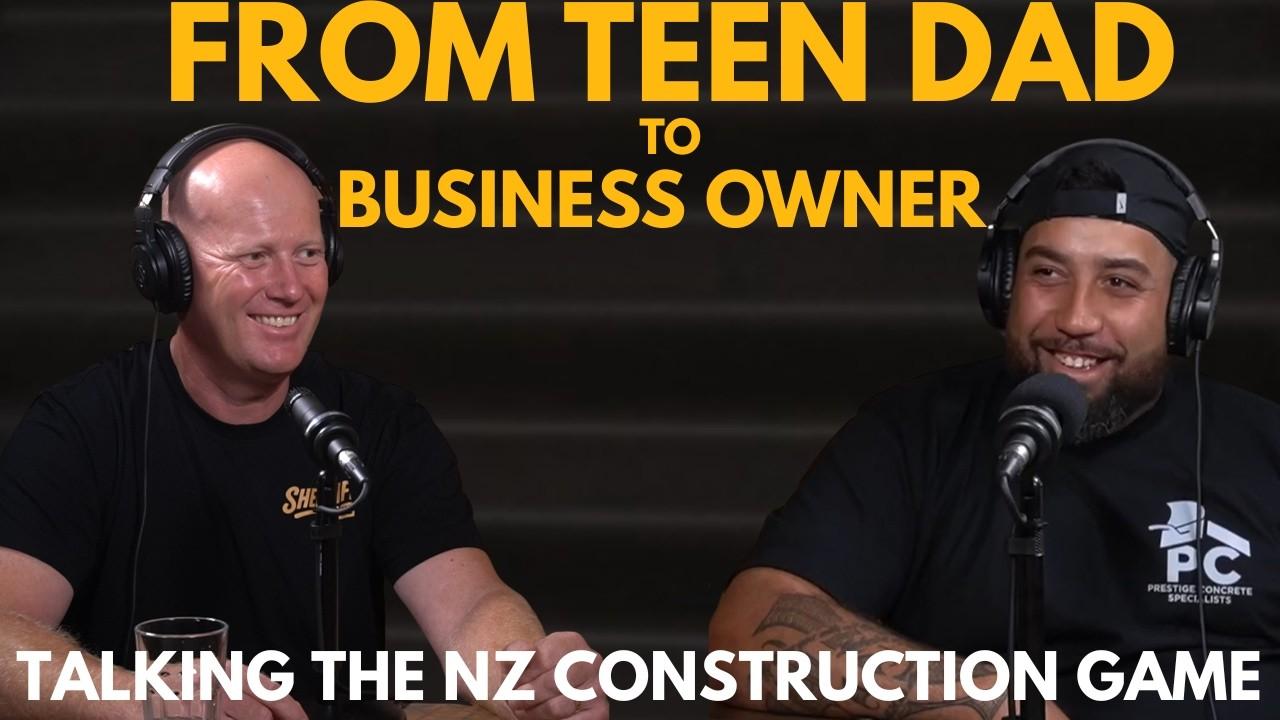
Billy Brown is the civil construction manager from Kaiapoi, North Canterbury, whose Facebook posts took off in February 2026. Jason Davis saw so many of them he wondered whether Billy was AI. He is not. He is a husband, father of six and grandfather who has worked in earthworks since he was 13, and in this audio-only chat he tells Jason his story.
Billy's real name is Peter Williams, and that is where "Billy" comes from. He grew up in Kaiapoi, about 30 minutes north of Christchurch, and left school at 13 unable to read or write. He started as a labourer with a logging and earthworks business, worked up to operating excavators and loaders, and at 18 went to Australia with his partner. He played senior rugby league in Brisbane but says he did not have the talent to go professional, so when his first daughter arrived he went full time into civil work.
He spent 14 years on major projects in Australia, from a $200 million job up to a $3.3 billion one, Brisbane's Airport Link. Each new kid, he says, pushed him up a rung. Then came five years in Fiji before he came home, where he had the chance to buy into a business and chose instead to try to leave a legacy for his grandkids.
Ask Billy how a kid with no formal education made a go of it and he goes straight to his father, Charles, who biked from Kaiapoi to Christchurch Airport before dawn because the family could not afford fuel for the car. When a pedal fell off, he put a block on it until payday. Billy says his dad taught him that "the only person who's going to save you is yourself."
He also talks about the good men who took him under their wing: Lex, who trained him up on his first job in North Canterbury, and Matt in Australia, who gave him a room in his house for a year when a relationship fell apart. His point is that work and good role models go together: with a job and a fair wage he has felt he could provide for his family, and without one, he says, you go down bad roads.
Billy's family is deeply involved in te ao Māori. His wife grew up in kura kaupapa and his children are in Māori-medium schooling. He whakapapas Māori, Moriori and Polish, and says his first posts about abuse on the marae, and his line "Not all Māori, but always Māori", drew the hardest pushback from people who are not Māori. "I don't care what people think because we need to protect our children," he says. He does not accept colonisation as an excuse for abuse, gangs or drugs in 2026, and says it comes down to personal responsibility.
He uses sport as proof that Māori are not inferior. "Sports psychology is just social psychology," he says. By the time of recording his page had picked up around 8,500 followers and about 11 million views. "Māori and non-Māori built this country and we need to build it harder," he says.
A lot of the chat is about why things cost what they do. Billy says New Zealand has to mine more, explore for gas and oil, and refine fuel here rather than exporting the carbon and poor labour conditions overseas. He calls the "not in my backyard" attitude a mind virus, wants the Resource Management Act gone and infrastructure built from a booklet of stock-standard designs, and says fixing the country is a 12-year job: "It doesn't take three years to fix a country."
On electricity, Billy backs the Lake Onslow pumped hydro scheme, says most of the taxpayer-owned hydro turbines are 60 years old and could put out 5 to 8 per cent more with investment, and wants an honest chat about nuclear and coal. Jason, who worked in the power industry, explains the half-hourly spot market and how prices spike in the coldest weeks of winter. Both link cheap baseline power to manufacturing jobs, to plants like Wattie's closing, and to the monthly bills for a family of six.
Billy backs farmers and says the "dirty farmers" post was clickbait to start a chat about why New Zealand imports food produced to lower standards than it asks of its own farmers. He also talks about debt: borrow for assets like power stations and roads, and ask where the COVID money went when no new hospitals came out of it. He wants benefits and state housing kept for people who genuinely need them, points to John Key's state-house upbringing as a hand up that was repaid many times over in tax, and says the goal is to get fit and able people back into work.
Billy does not mind whether people say Aotearoa or New Zealand, and switches depending on whether he is with his Māori whānau, his Polish mum or on site with the boys. He says the Treaty is a property agreement the Crown has been found wanting on and should be settled quickly, and that it sits between the Crown and iwi and hapū rather than individuals. He also talks about his Moriori whakapapa and the history of the Chatham Islands. Jason's take is that not everyone feels welcome in a boardroom or on a marae, but everyone is welcome in the shed, and that is where chats like this happen.
This episode is audio only, so there is no video. Listen on Spotify or Apple Podcasts using the links on this page. Billy signs off his posts "Me rongo", which he says means peace in Moriori, and you can find him on Facebook under Billy Brown. For more chats like this one, see the community episodes.
Generated from the audio, so expect the odd wrong word or name. Timestamps open that moment on YouTube.
0:00My feed blew up in the last couple of months on Facebook and I thought, is this guy AI, Billy Brown? Who is Billy Brown? We need hard leadership. We need good leadership. And we actually need real Kiwis in Parliament to start making these decisions and push back on this elitism politicians to say, oh, we can't do this. We can't do this. You know, no.
0:20We can do it. Let's make it happen. And you don't have to act like a politician. I'm sick of hearing from people too. You have to act a certain way. No, Kiwis don't want that. They actually want a leader to say, no. We're doing this. Yeah. Yeah, that's correct. I don't actually have any formal education. And actually, just to add on to that too, I actually left school with not able to read and write. So I had to train myself up. But the key factor for me was actually my father, Charles.
0:48He taught me that work ethic. You know, he would be up at 3.30, 4 o'clock, you know, biking to work because we couldn't afford fuel in the car. He would bike to work. And that was actually from Kaipui to the Christchurch airport, which would probably would be maybe a 45-minute drive. So whatever that is in cycling. And he would do that summer and through harsh winters in Canterbury.
1:13Anyway, Sean's like, we've got all this oil. Why aren't we mining our oil, you know, pumping our own oil? Well, Dave, a great boxer from Thames, Thames Local. He's like, why are so many of my mates all over in Western Australia mining for gold, mining for oil? When we've got a gold mine on the back of us here in the Coromandel.
1:31Yeah, it's interesting, eh? I think the woke mine virus has actually taken over New Zealand, especially around this not my backyard-ism. And that is so strong here in New Zealand. And that's why we're failing to build anything, because no one wants it in their backyard. And we have to mine more. We have to explore for gas and oil. And if we do have, you know, gas and oil, we actually need to produce that.
1:54And we need to actually crank up a refinery. There's no if, buts, whens or whys about that. And they talk about scale economy. Why don't we just do it? Instead of, you know, sending 20 billion USD investment over there, yes, it's going to be private 20 USD into India. Why don't we just make the appetite strong enough for them to invest that here? Why don't we do triple Ps, which is private-public partnerships?
2:18So the taxpayers aren't covering it more. We need more mines in Chicago. We need to do the Coromandals. And we just need to say to the left, no, we're going to box forward. And this is one thing I'm really staunch on. I'm sick of hearing Debbie saying, we can't do this because it's Indigenous land. But my cousins, and probably her cousins, and Robert East's cousins, are all over Indigenous land over in Australia.
2:40Not a peep out of the woods. Welcome to Shed Life. My feed blew up in the last couple of months on Facebook. And I thought, is this guy AI, Billy Brown? Who is Billy Brown? He kept coming up with topics that I was interested in. Most I agreed with. Some I didn't agree with. Some I didn't actually know.
2:59But I was like, is this just another AI page or feed? And then I say, he's actually a real guy. I reached out. I was like, you seem like pretty cool. You seem pretty interesting. Do you want to come on Shed Life? He said yes. So he's a husband, a father, a grandfather, works in civil construction. A good Kiwi bloke with some strong opinions that I'd like to get into.
3:20So welcome aboard, Billy. Kia ora. Thank you. Appreciate it. Kia ora. I'm going to just run through some of these and then I want to get into where you're from. Not all Māori, but always Māori. Net zero. Think big. Electricity. Free speech. National versus Labour versus the First Nations. Gas, oil and mining. The media. Children and the safety of our kids.
3:45Oh. And roto roa. But how did I suddenly see you all over my feed and think that you were AI and find out that you were actually real, which was pleasant. Well, potentially this is a deep fake video right now. 100%. I think. 2026, it's long. Yeah, comment. Is Jason even real?
4:08Well, a bit about me. So I'm from North Canterbury. Grew up in Kaipoi, which is a small country town. Yeah. Just about 30 minutes north of Christchurch.
4:21I've been in the construction earthworks industry since I was 13. I'm 43 now, so a very long time. And I've done 14 years over in Aussie on major projects. Nice. Five years up in the South Pacific and came back to New Zealand. Got six kids.
4:42One muckle grandkid. Nice. And then the reason why you probably start seeing my stuff pop up on Facebook was actually February the 6th. I actually woke up one day and realized coming back from the South Pacific, from Fiji, that a country is actually not in a good way. And instead of building my career, like I said to you earlier on, general manager.
5:09I was a general manager. Had an opportunity to buy into business. I thought, do we move down this path and continue to build your own financial position? Or do you go down a path where you can actually leave some legacy for your grandkids? And that's why I started posting on the 6th of February. So that's a bit about me.
5:28Yeah. Just give us a little bit more of a rundown before we get into the posts. And I think legacy is huge. Talk to me a little bit about strongman. But how did you first get into civil construction at 13? Were you on the end of a shovel?
5:44Whereabouts in Australia and Fiji? And what sort of projects have you worked on? Oh, yeah. So the reason why I got into civil construction was a bit of a strange... So did you leave school at 13? Yeah. So what happened was dad said to me, hey... Because my real name is actually Peter Williams. So I get Billy from Peter Williams.
6:01So dad said, hey, Pete, you're actually a little bit stupid. Yeah. And you need to go to work. And so that's how I actually got into it. So I started... You know, it was a few years of mowing around with the same business.
6:13Started, funny enough, the business was quite like a logging Earthworks business. So they do a lot of logging and they did a bit of Earthworks to cut the whole tracks in and do the skid sites and stuff like that. So I actually started as a labourer, worked my way up to operating excavators, loaders, and then I decided to go over to Australia.
6:36So how long was that all just outside Canterbury? Yeah, that was all in Canterbury. So that was between the ages of 13, 14 to about 18. Yeah. And then 18, decided to, my partner at the time, Monique, just go to Australia. Played a bit of footy over there, but a rugby league. Really enjoyed it. Played for Karina, which started just in Brisbane there.
6:57Loved it. And at the same time, the business was actually sponsoring the footy club. Yeah. Was actually the business I worked for. So it was a bit of like, it wasn't professional footy, but you know, like it was part-time work. So it was like senior prems. Yeah, senior prems and stuff like that. And you get paid to, you know, win.
7:15Which I actually love footy. I miss it. Yeah. But yeah, I really love it. So that was like late 90s, early 2000s rugby league. Yeah, yeah, yeah. And then had my first daughter. She's nearly 19 now, Matariki. So when I had her, I was thinking at the time that I could either push forward and be a professional footy player, but I didn't have the talent.
7:41Yeah. So I went and approached the business that I was working for and got into full-time actual civil work over in Australia, building, you know, major projects. So from, I think the smallest job I built over there was a, worked on was a $200 million job and worked up to $3.3 billion at the time, which was around 2018, 2017, ran the GFC.
8:05A major project called Airport Link in Brisbane, which helped me learn a lot around civil construction. And what happened next was I had my second daughter, Kensington, and I realized, well, it's great being an operator. I'm earning really good money, but I need more money because I've got a second kid. So I went in from being an operator, lead in hand role into a supervisor's role.
8:30Okay. And then I had another kid. Mm-hmm. And then I realized, okay, now I have to become a general superintendent because I've got to have more money to pay for my family. And then I had another kid. Mm-hmm. And then I realized I have to get into management. Yeah. And then I had another kid. Yeah. And then I realized I actually have to be serious and maybe try to buy into it or get some equity into business.
8:51Yeah. And the type of infrastructure I was building was from anything from port infrastructure, mining infrastructure, cut and cover tunnels, TPM tunnels, highways, super T bridges, you name it. I built it over in Australia. And so when you say you built it, you're operating the machinery that's going to be working on site and then you're managing the guys that are operating the machinery on site?
9:19Yeah. Through that career, from different layers of that career, from being a laborer building it, being an operator building it, then becoming a supervisor in managing crews, to becoming a manager to manage supervisors, and becoming a project manager, project director, operation manager, and GM from there. So when I mean build it, it's a broad term, but different layers of the business.
9:43As you know, you do different aspects of the business. Oh, yeah. 100%. I can say I build sheds, but fundamentally I'm overseeing the management of sheds. I'm not actually on site generally building sheds ever. Occasionally I try to.
9:56Then I'll tell you to go away. Oh, yeah. Well, they're just like, you're useless, Jason. Fix everything up. Yeah, you can't get a spare coffee pies, you know, from a video. So I wanted to just go and ask, what would be, you leave school at 13, you've made a decent go of yourself 30 years. There's so many kids that have left school at a young age or something, and they think, oh, well, it's all over for me.
10:26What were the keys to success to actually make a go of it and make it happen? Because obviously it doesn't sound like you were rolling out there with a silver spoon and multiple degrees, and they're just like, open the door, come on through, Billy. You know, like, here is the boardroom. Yeah, no, correct. I don't actually have any formal education.
10:46You know, actually, just to add on to that too, I actually left school with not able to read and write, so I had to train myself up. But the key factor for me was actually my father, Charles.
11:00He taught me that work ethic. You know, he would be up at 3.30, 4 o'clock, you know, biking to work because we couldn't afford fuel in the car. He would bike to work. And that was actually from Kaipoi to the Christchurch airport, which probably would be maybe a 45-minute drive. So whatever that is in cycling. And he would do that summer and through harsh winters in Canterbury.
11:26I remember a time too where the pedal fell off and he had to bike home with no pedal and not even able to afford to next payday to replace that pedal. So he put a block on the pedal. So my father taught me that work ethic and no matter, and he taught me as well that no one's actually going to come and save you because no one came to save him.
11:48And I could see how hard he worked and no one came to save him. And he taught me that the only person who's going to save you is yourself. So everything that I've learned around work ethic, 99% of that is from my father. And he's taught me to be the man I am today. And sometimes I wish I was actually the same type of man because he's a lot better father and grandfather than I could ever be.
12:17Yeah. Awesome. Wow. Shout out to the old man. And then there was actually, and a lot of my journey is actually good men supporting me. Yeah. You know, when I was out in North Canterbury, which would actually, nowadays would actually probably be classed with a bunch of conalizers out there and, you know, Pakeha and racists, which at the time I actually thought they were.
12:40But there was a man named Lex. And he actually put, when I was working for the business, when I first started, took me under his wing and helped me train me up and actually installed some good operating skills and hard work ethics as well on the job site. Yeah. And there was a guy named Matt Miskinmins over in Australia, probably a 6'3", Scottish descent man, and took me under his wings too.
13:03And through some relationship issues, he actually invited me to live in his home for about a year as well. Nice. So, for that whole journey, men, good men, have shown me how to be a good man as well. A good, strong man who provides and protects his family. Well, does his best to do that. Excellent. Yeah, I've had so many good experiences of people helping me out over the time.
13:36And I think it's so important to try and surround yourself or look for just good role models and good examples. And if you're prepared to work hard and ask, they will help out. This country was built on people. I said this last time, actually, that wanted to give it a shot. Whether they got on the Waka from Hawaii, Waikiki, and, you know, they thought, man, I'm going to give it a shot and came out here a thousand years ago.
14:01Or they got on a boat in England 150, 200 years ago and give it a shot. Whether they're jumping on a plane five or 10 years ago and go, I'm going to give it a shot. The whole basis of this country has been built on people that want to give it a shot. So when they come across somebody else, I certainly know I do.
14:17So it goes, man, I just want to make a go of it and give it a shot. People hook it up. It's when people are like, no, it's all so tough. You know, I expect somebody else to do it for me. There is no one else. There's no one's coming to save you. There's no one else that's going to do it.
14:33This is. I totally agree. Like this country has been founded on men and women building things. And you create, it doesn't matter if you came over in the Waka from the South Pacific or you came from England or Scotland or Ireland or wherever you come from. Like my mother from Poland.
14:49Men and women have built this country and they've done it hard. They've broken this country. They've broken and they've built it. And the troubling thing is that we haven't built anything for the last 60 years. That's the issue. But you're correct. And we need to build more. We need to build more. Because they built this country on the basis and just after celebrating, yeah, or honoring is a better word for Anzac Day, is they built this country for their kids and their grandkids.
15:16I live on the whole Raki plains. And those dudes and dudettes dug out all those drains. Not for themselves. They must have been dying themselves in the mud and the drains and that because they knew that it would benefit their kids and their grandkids. So we owe it to all the people that have come before us who have worked so damn hard for the life, the level of life that we have now.
15:41It's just amazing in New Zealand. Whinge about it so much. It does my head in. We have such a good standard of living if you actually just sit back and go, what does it compare to anywhere else in the world? And how does it compare to your parents, grandparents, great-grandparents? And so we owe it to them because they put in the work to be like, how do we make it better for our kids, grandkids, great-grandkids?
16:04And you're right. We owe it to them to reflect the same work ethic and morals to do it for our next generation and the generation to come. And I see these things as a holistic thing. So I just talked about my father and a couple of men helping me. And the way they did that is because that period of time there was actually mahi going on, work going on.
16:22And we need to do the same now because if we don't have work, it's a holistic thing. If we don't have work, men don't feel empowered. And it links back to a lot of conversations I've been having online. If you don't have work, people will actually lead into bad avenues around gangs and stuff. So prevention of drugs and alcohol and violence and gangs is actually getting the country more productive because we know, I'll tell you how I feel.
16:45When I feel I have a job, when I have a job and I feel empowered to deliver that work and I'm being paid well to do that, I feel like I can provide for my family and I provide security and I look after that family. But there's been times in my life where I haven't felt that and you actually go down bad news.
17:01So it's a holistic thing. If we can get this country more productive, we're actually going to see a decrease in violence. We're going to see a decrease in crime. We're going to see a decrease in drugs and alcohol. It might not be major, but if we see 5%, 5% is still major. If we see 1%, it's still major.
17:19And it goes back to that. We have to get productive to do that. I would 100% agree. The bad times in my life has been when I have been out of work. I've been looking for work. You need to do it. That demons suddenly get into your head. You're much more likely to be drinking, drugs, all of those things there when you're waking up early and working a full day and doing it.
17:41So being able to provide a purpose, and I see that throughout in the community. Just come back from Japan. They're obsessive with productivity and making sure everybody's working. Everyone's got a purpose. They all love to work hard. Which is just so honourable. And I think it's the same thing here. It's honourable whether you're a cleaner, whether you're the GM.
18:00It doesn't matter what it is. Everybody's work is honourable to do it, and people should be paid well for it. It doesn't mean everyone's paid the same, but I think everyone deserves a decent wage. And the more productive we are, the better the wage is, the better everything can be.
18:16Or just to add on that, it doesn't have to be a higher wage. It means things are cheaper as well. Well, I think that sometimes it is. I want to see a society where, you know, if someone's going out there, a couple can go out there and they can work. And you can still see this in part of it, is that they should be able to afford to buy a house if that's their thing.
18:34And they should be able to afford to have their kids play on the rugby team on the Saturday. You know? Go to the movies. It doesn't mean it's overseas holidays. Look at what your parents or grandparents did. You know? Like, my grandparents came back and they came over. Some have been here for longer, but I just think of my mother's ones.
18:50And they come over. They've both been in the war. They come over. They weren't expecting overseas holidays or anything. They weren't expecting multiple vehicles. Like, they didn't want, you know, and they didn't need a brand new Ute and brand new SUV and three classic cars in the garage. They were happy to have one car. We'll go to Europe.
19:07We'll smoke cigars. We'll have a vape. We'll go to KFC three times a week. And eat out. They did the mahi. They did the work. That's it. Grandma, bless it. You know? Like, it was a big deal to have fish and chips on the odd Friday. Or, you know, like, if we got Chinese, she'd make that thing stretch over three days.
19:25You know, like, it was such a big deal. So, that type of thing. But, yeah, I've run through a few of these things. Yeah, is where did it, yeah, where did it come through from? What have you found has been the most polarizing or what's been brought the most attention online to you once you did start posting on February the 6th?
19:53You know, you start putting out a post. You go from obscurity or just normal life. And I know that. I know what that's feeling like of going from just being normal Kiwi. And you start putting yourself out there on social media.
20:08Yeah, what's been resonating with Kiwis and the public? And what are people feeding it back? Well, there's a couple of things. But the family and I are very much engaged in te ao Māori. I like to say Māoridom. Yeah.
20:26In that space. And around how do we can get our people more engaged? How can we fight? Well, not fight. But how can we start having conversations around rural issues? And a lot of these things are whakama for Māori, which is shy. We need to hide these things. So I've talked around Māoridom and the silence of abuse on the marae.
20:52I've talked around not Māori but always Māori. And that one there is, for me, being a Māori man, I find that the first thing I actually found quite interesting, posting around Māoridom, that it was actually non-Māori who sit on the left who attacked me and felt actually quite free to attack me. Interesting. And if I put on that left lens, you could actually say they're quite drogative, xenophobic, potentially racist.
21:23I don't actually like the word racist. I'll use xenophobic towards me. And Māori telling me to be quiet. And I'm not Māori because my views are, I see my views centre. People might label them as right wing, but they're very centre because I'm not worried about left and right. I'm worried about putting Kiwis first, everyday Kiwi first, which is all of us.
21:44So I found that one quite interesting, you know, like that I would be attacked to talk around sexual abuse and told to be quiet around sexual abuse. And we should only talk about that on the marae or within families and non-Māori supporting that or also calling me a Māori basher for raising these issues. So non-Māori, we're calling you a Māori basher as a Māori man.
22:11Yes. For just bringing up and trying to discuss, hey, sexual abuse is happening, abuse is happening. This has to be discussed and bring a bit of sunlight to the situation. Yeah, correct. Because people want to talk about this broad term that people get abused. Yes. I understand that as a nation, that children are getting abused, men are getting abused, and females are getting abused.
22:30As a Kiwi, I also whakapapa, Māori, Moriori and Polish. So there's particular issues that I like to hyper-focus on. And Māori issues are front and centre to me because my kids go to the marae. They go to the kurakopapa. So I need as a father to ensure when they go to that marae, they're protected. When they go to that kurakopapa, we're not going to hide teachers sexually abusing our kids because them kids are also my kids.
22:59Yeah. So talking about them was actually quite, I felt that quite interesting that they would push back very hard on these conversations that need to be front and centre for Māori. Why do you think they push back on it?
23:16It's an interesting question. And the only way I can see that is because they don't want to be painted as a bad picture. They don't want to be seen as a statistic, Māori as a statistic. There was language news that sexual abuse came from colonizers. So they want to paint our culture to be this beautiful golden Māoridom.
23:40When Captain Cook came in, everything was beautiful. We didn't have any musket wars. We didn't need any people and we didn't abuse anyone. That's incorrect and it's wrong. And I believe that's why they want to keep it quiet. And also people want to protect their family as well. Yeah. And that's the problem we have. And that's not a Māori issue either.
23:59No. That's an across-the-board cultural issue. No matter what culture you are in New Zealand, people like to protect their family. Some people do. Not everyone does, but you can see that. And that's the pushback in that space. So to be honest with you, I don't actually know why. And it's quite interesting for me because I'm more, you know, Kiwi than Whakapapa Māori.
24:24But my wife, she's actually graduating next Friday in Level 7. She grew up in Kōrakaupā. She's all about Kōrakaupā. I never had, through my learning disability, I never had the ability to learn another language. But all my children, excluding the two boys who live over in Australia, have gone into full emergent Māori schools, which is Māori language, but normal Pākehā school.
24:47Yeah. Kōrakaupāpa, like the two boys in Rōtulu. So we're all about that life. And, you know, I just want a better life for Māori people, you know? Yeah. And I just don't see, you know, these things that we shouldn't just park them because we're scared to be labelled. We need to, the type of person I am, they need to be front and centred.
25:07And I'm not going to be shy. I'm going to be intense. I'm going to be direct. I don't care what people think because we need to protect our children. Yeah. Yeah, 100%. And our women and our men. Yeah. And our young boys and girls.
25:23Yeah, it just needs to. Yeah, it just needs to be called out. Any sort of, and it needs to be stomped out and no excuse. I have this thing.
25:36Sure, some people have, the worst thing that's ever happened to you is the worst thing that's ever happened to you. And some people go through some horrific trauma. But you need to know, and everyone I do believe knows what's right and wrong. And if you do not know what's right and wrong, then we need as a society to be able to put you in a place that makes it safe for the rest of us.
25:57So if you're, I'm not sure what the most correct term would be that for it, but in the past it would be a mental institution. If you can't tell right from wrong, you need to be in a safe place away from everybody. And then if you know right from wrong, whether it's physical violence or sexual violence, you cannot commit that to another human and then blame it.
26:16You have to break the cycle. Yeah. I came from a very dysfunctional family. I've seen it all. But you have to stop. Like that's the thing. Is it, you can't say, oh, but it happened to me. Therefore, I'm going to make it happen to someone. All you hear worse at the moment in this space is it's because of colonization.
26:36And when we use the words, we actually erode what's happened to the victim. Yes. It's not because of, if we live in 1835, I'd say potentially it's because of colonization. But we live in 2026. No one here has been colonized. No. You know, the people who colonize this country, the settlers, whatever language you want to use, it's not because of them.
26:56It's because of personal accountability and responsibility, them abuse happen. And when we say, and this is what I get very, very frustrated with, and I won't accept as well, is we use that term to protect people. It's that person who's abuser, it's because of them, not because of colonization. Yeah, 100%. And that's what's happening in that space around a lot of, so when I use the word, not Mald, not, what was it?
27:29Not all Maldi, but it's always Maldi. That's what I mean by that, because it's not all Maldi think that way, but it's always Maldi who think that way. It's because they say it's colonization. It's because of the victims of colonization. That's why we have rape and abuse. That's why we have gangs. And this is why we sell drugs in the community, because of colonization.
27:50No, it's because you haven't taken responsibility and accountability for your life. You decided to join the gang. You decided to sell them drugs. You decided to abuse that child or that person.
28:02Yeah. You decided not to go to work. Not because of the government or the colonizer or colonization. Yeah. And then you should face the consequences. And I don't know, but I am sure that pre-colonization, the consequences would have been very hard if you were breaking the laws of the local iwi or Hapa. You know? I understand. You know, like they weren't mucking around.
28:30Yeah. And that's why I'm very passionate about that space. Because, yes, I am Kiwi. But I do whakapapa. And I do recognize my culture. And I'm very proud of different aspects of my culture, from being Māori, Moriuri, and Polish. When I talk about Māori issues, I'm talking about my culture. And this is where I get frustrated and I get concerned from the radical left when they use these words towards us that we are victims, especially from Te Paati Māori, Chloe Marama from the Greens, and Chris Hipkins, who thinks he's the great white hope of Māoridom.
29:05They can talk down to us and they think that we're inferior. We're not inferior as a culture. And we can stand in on our own two feet. And I'm not going to sit there and listen to some great white hope and tell me that I'm a racist because I want to vote centre-right or I want to vote for National Act or New Zealand First.
29:22Māori don't vote left or right. They vote who the hell they want to vote for. Yeah. And I'm not going to listen to some non-Māori Chloe who thinks she knows better or some non-Māori Chris Hipkins, the great white hope. And I'm not going to tolerate that. And I'm not going to tolerate a rawity scribble face to tell me any difference as well because they've built their careers.
29:42We build things. You build sheds. I build roads. That's our business. It's his business to ensure that his people believe that they're victims and an inferior. So he still keeps his business. If they don't believe that, he doesn't have a job as a politician. Yeah.
30:01And we're not. We're not inferior. No. In fact, there's a level of. Yeah. Tell the superior stories. Tell the story of Gate Park more heavily shelled than anywhere in the Western Front of World War I 30 years earlier. And then they survive the shelling and come out and defeat the British Army, the number one army in the world at the time.
30:21Or you can even use it. Four fight champions like two weeks ago. You know, like. That's the one that we should be talking around in modern terms around sports. So when you look at the Warriors. Mm-hmm. When you look at the NRL. Māori are highly over-representative in them spaces because we're not inferior. No. It's because when they go into them sports face, them sports arenas.
30:43That's the difference between the Greens, the party Māori and Labour. When I'm talking about this is around Māoridom. They say we're victims and we need them. When you're in the sports arena, you get told that you're good enough. But these are the opportunities that you need to improve. You need to do this to get to here. You need to do this to.
31:01You need to. You need to be making 30 tackles a game. You need to be making this many meters per game in the league space. Yeah. You know, so when you get told this, we're performing. Highly performing. But when we told a big group of population over here, which makes up to a rough 13% of the population that we're inferior, how do you think that's going to work?
31:22It's the same thing. Sports psychology is just social psychology. If we had politicians who were told in Māori that you're not inferior, you can stand on your own two feet. All you need to do, like we talked about before, is actually get up early in the morning. Yep. Go to your job. Get a good wage. Yeah. You'll feel proud.
31:42You don't need to sit on the dole. You don't need, you know, these politicians who'd be telling you things. What you need is from a politician. And look, I'm a big fan of New Zealand First and hopefully are going to run for them. But something that Shane Jones and Winston don't do well is that they don't actually tell their personal stories.
32:05They're a great example of what Māori can become. Yes. Look at Winston Peters. Mm-hmm. 80, and he's been the Deputy Prime Minister multiple times. Yeah. That's a great story. I would love to hear his full story. You know, like, he also went to, and he is Ngāpuri from the far north. He managed to get himself through school, high school, heaps kids, rode a horse to school.
32:31He's a lawyer. I didn't actually know that. I didn't know that until someone told me the other day. Trained law firm. So he's gone to high school. He's gone to university. He's gone. He's qualified for the bar. So he's gone against all the, you know, things that they say is not possible. He's gone out there and done it.
32:48He's become a lawyer, practicing lawyer, and then was an MP for National, like one of the youngest ever MPs for the National Party as a Maori man from the north. And then he has successfully run this country, not run the entire country. But he's just been saying the same basic things. I'd only agree with all of it.
33:07There's a little bit of dog whistling like this FTA and that that I don't think's right. But by and large is back this country, invest in this country and demand and expect standards from ourselves and not try to solve it all by immigration. You know, like it's like, let's get our people and insist that our people work.
33:26We can all work. I totally agree. And you look at the co-leaders of Debbie, an old scribble face, Rawadie versus Shane Jones. And I say scribble face because I don't think he deserves to have that more call. I think he's just an activist. So I don't mean in a drogative turn, I just don't think you have the money to own that.
33:42And Winston Peters, victim mentality, this is what you can do if you do your mahi. And I do believe they could tell that story a lot better because if they did, they could potentially pull a lot more Maori voters across to them. And a perfect example why Maori don't need the Maori seats and we don't need Maori wards.
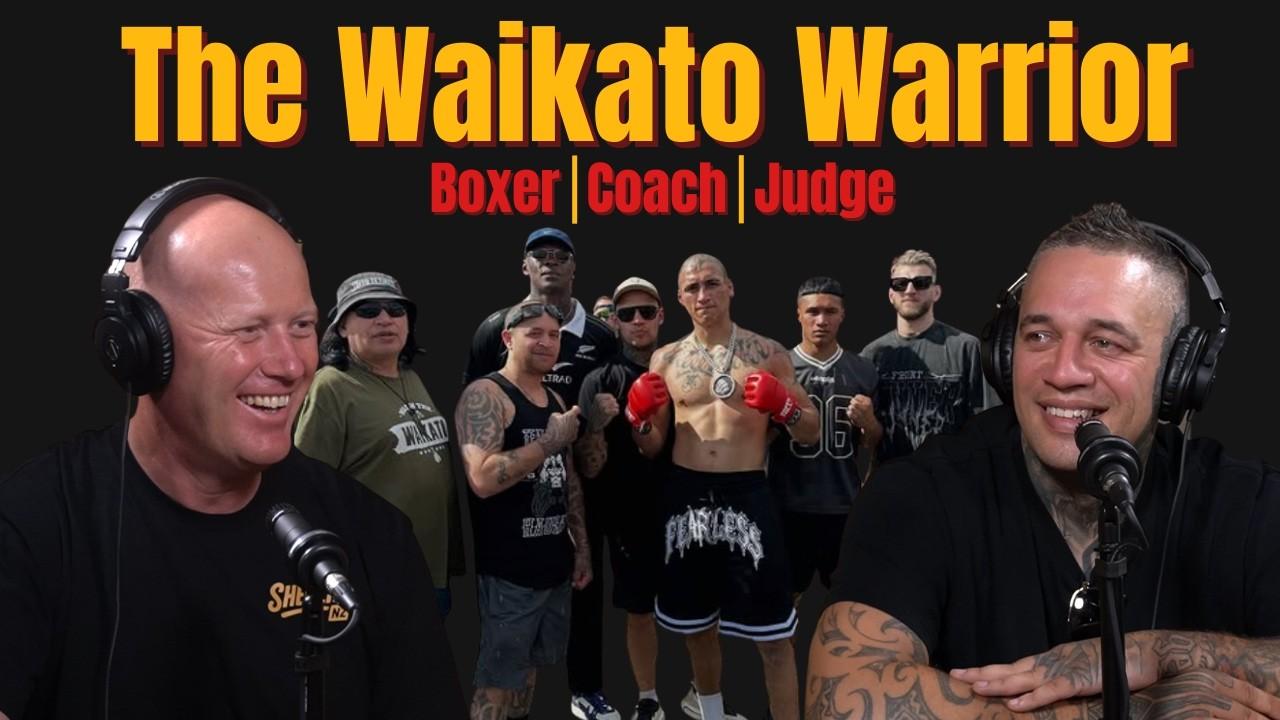
34:02Yeah. And so leading into that, we'll move it on because otherwise is gas, oil, mining. A lot of the, I'll shout him out whether he wants to, Coach Sean George, my man, boxing coach over in Thames. We were talking the other day and his brother, Kaido, who's super successful, successful boxer and even more successful coach.
34:30I hope you don't mind me saying that, Cairo, but you've got Sheila and Emil and so many good, yeah. Anyway, is he'd been over in Saudi because he'd been training David Nika and he's over there for the fight and he's in. Anyway, Sean's like, we've got all this oil. Why aren't we mining our oil, you know, pumping our own oil?
34:51Dave, a great boxer from Thames, Thames local. He's like, why are so many of my mates all over in Western Australia mining for gold, mining for oil, when we've got a gold mine on the back of us here in the Coromandel? So I've seen that you've been posting a bit about it, but thoughts, I mean, so many Kiwis and we're always like, oh, why aren't we as rich as Australia?
35:13And so it's acceptable because they mine everything over there and I don't think they should blow up 50,000 year old like dream caves and that so they can go a little bit far over there. But by and large is they just take advantage of their resources that are there. Yeah, it's interesting, eh? I think the woke mine virus has actually taken over New Zealand, especially around this not my backyard-ism.
35:40And that is so strong here in New Zealand. And that's why we're failing to build anything because no one wants it in their backyard. And we have to mine more. We have to explore for gas and oil. And if we do have, you know, gas and oil, we actually need to produce that. And we need to actually crank up a refinery.
35:57There's no if, buts, whens or whys about that. And they talk about scale economy. Well, why don't we just do it? Instead of, you know, sending 20 billion USD investment over there, yes, it's going to be private 20 USD into India. Why don't we just make the appetite strong enough for them to invest that here? Why don't we do triple Ps, which is private-public partnerships so the taxpayers aren't covering it more.
36:22We need more mines in Otago. We need to do the Coral Mandals. And we just need to say to the left, no, we're going to box forward. And this is one thing I'm really staunch on. I'm sick of hearing Debbie saying, we can't do this because it's indigenous land. But my cousins, and probably her cousins, and Robertie's cousins, are all over indigenous land over in Australia.
36:42Not a peep out of them. No. You know, you look at Chloe and Marama. Is that her name? Marama, the co-leader? I believe so. Yeah. Marama. I apologise if it's not Marama.
36:53Marama. They were down, Chloe's down in Otago the other day and saying, oh, this is terrible. This is terrible. But as you look at the video, she's got jewellery on. She's got a smartphone. She's got a smart watch on. So you're not going to change your buying, but you're not going to let us actually mine here. So you want to actually, what they're actually saying to us, we want feel good policies so us woke liberals can feel great about ourselves.
37:18We're going to export our carbon overseas. We're going to actually bring all our raw minerals from overseas, like gold or whatever it is, and actually really poor conditions, labour conditions, really poor labour conditions, probably slave-like labour conditions, and poorer environmental conditions. So why don't we just do it here, where we can control the conditions and actually give Kiwis jobs?
37:42Yeah. It has to be done. And this is where, as Kiwis, we'd actually need to start pushing back on this, not my backyard. It has to happen. We can, within reason, be respectful to hapu and iwi, but we can't behold a ransom. No, I think we absolutely want to be respectful to it, but I think what's more respectful than making it, get them involved, help build that infrastructure, you know, if necessary.
38:14Let's obviously not do it on like some sacred urupa or something, you know? I totally agree. But if it's just in the forest, if it's a hillside, or if it's a mine, and to be blunt, the terrible stuff's already happened. It's, you know, like, it's the digging out the par to make a rubbish dump or something, and that's never going to happen.
38:33That's never going to get calmed. That's never going to happen in modern New Zealand society. We're not going to go and fell whatever ancient native forest we're going to have, you know, is going to be left. But if we can, I need to open up a few square metres, a thousand square metres or something to have some mine shafts going through, and it's literally hundreds, if not tens of thousands of kilometres of square green space.
38:57We've got to be able to do that. Our country is so green. It's so beautiful. But we, only because we're able to sustain that through earning an income off it. Well, the question is, they say there's sacred land in New Zealand, but these particular areas that are too beautiful. You know, I drove up here from Rotorua, and this is all beautiful country.
39:19Yeah. So, you know, every part of our country is beautiful, but we have to get more productive. We have to get people back into jobs. We've got, like, sitting around 5.3%, 5.4% of unemployment. That's not good. That costs us. That costs us the taxpayer. We have to get them men and women back into Mahi. We have to bring back all them Kiwis in Australia and in the UK and actually get them working back here.
39:42Yes. We've got to stop that drain of resources, of skilled resources going to Australia, you know, and we have to do it here. And we have to, and this is the election where we actually need to push back hard and saying, if we're going to get a centre-right government in, you actually have to follow through on this.
40:02Mm-hmm. And it's not going to be a short-term fix. I don't think this country won't be fixed in three years. And I think if politicians are going to keep telling us that it's a lie, it's going to be 12 plus years to get this country back on track.
40:15Yeah, I would agree. I've, I wish, talk about a wish. I'm about to say I wish politicians would be honest, and that's about the dumbest thing you could have possibly ever come out of my mouth. But I really do wish that the crop of them would just front up and say, hey, look, we have a public service sector.
40:35We want to get some more efficiency out of it, but we're not going to cut it in half. You know, like we've, this is it. This is what we're sort of stuck with. We're stuck with this bureaucratic machine and nightmare. How do we actually make it work? It's 540 million a month at the moment. Oh, yeah. So while it's six points, what is it?
40:54Who's good at math? 6.77 billion a year. Yeah. It's too much. And the challenging question is why not believe in you can cut it in half? What is it? And when we talk about the public service of 540 a month, that's not the teachers or the doctors on the budget. There's different line items. That's under education. That's under health.
41:12This is bureaucrats. 540 a month. You know, why can't we cut that and reinvest it? Well, the one I saw was the Ministry of Education where there was 2,000 schools in like 1990. Now there's like 1950. So there's less schools now than there were back then because labor actually went and closed all the rural schools. But the number of bureaucrats working for the Ministry of Education has gone from something like 500 to 2,500.
41:39That's crazy. It is. And so they're all making a four, you know, they're all going to be very well paid because you now get paid. When I was young, the concept was you got paid less in the public service than you did in the private sector, but you pretty much had a job for life and you were doing a public service.
41:56Now you get paid substantially more in the public service than you do in the risk-taking private sector. Yeah. And then you work in these gilded ivory towers. You know, I saw the Otago Regional Council, $54 million to refurbish an old warehouse for their offices. Private sectors are going to be lucky. You know, we've built a nice office here is working out of port-a-coms.
42:17They're working out of old, you know, workshops, you know, like if they do, they invest in and build it in the things. They're not. It'll be a quarter of the price.
42:28Regardless of the size of it, whether it can shrink, the trick to it is that we need to just grow our economy so that we can afford it. I think I've heard this so and so much, oh, but Norway, look at what Norway's got. Yeah, because Norway was the brokest-ass country in Europe, the brokest in the thing, and they just poured all their money into looking for oil eventually.
42:51And it was just one of those ones is, it's almost too much of a story to be true, their final well and like the final day before they give up and go, all right, we'll just be broke fishermen for the rest of our lives. Because the glory days of the Vikings are 800 years behind us as they struck oil.
43:09And then, yeah, sure, they've reinvested it. But they've made all their freaking money on oil and they keep doubling down on oil, oil, oil. And then we go, well, why is our education system not like Norway's? And you're like, well, if we go out there and we just double down, let's explore for oil, explore for oil, explore for oil.
43:27Well, yeah, sure. Let's pay the teachers more, have more teachers, have more, you know. And I think that's the journey we need to be on. We need to be mining more. Yes. Potentially increasing royalties. I don't know what that looks like. I think we only get paid 2%. But then you also get the GST and business taxes on top of that.
43:44But we need to explore and we need to produce. And that's how we get more revenue in. I like what you said. We don't have to touch that. We'll potentially just keep that the same in the public sector. We just get more productive in that space. And that's where I talk about the journey. If we do all these things over 12 years, eventually we'll be able to afford better hospitals, better education.
44:08And that's what I mean in some of my posts that it's not a quick fix. It's not going to be three years. It takes three years to build a highway. Yeah. It doesn't take three years to fix a country. It takes longer than that. Some projects go for 12 years as well. So it might be longer than 12 years to fix this country.
44:23But if we don't start, we won't be able to finish. And also we need to have that goal. We actually need to believe in that goal as well. That's it. We need to say, hey, this is the type of country we want to create. This is what we actually want to create for our children. And then we need to start working towards it and going, hey, it's going to take a while to build more dams.
44:42It's going to take a while to build more roads. And that we need to start now. And then we need to stop making everything, trying to win an architectural award and be like a masterpiece. I mean, you could possibly speak to it in terms of what you would say. Is infrastructure can cost so much less if we just do it simplistically?
45:00Yep. There's a lot of stuff around bridging. We could actually just say, this is the stock standard bridging we want to do. Yeah. And we're going to look at just the geos on it. And then the geo reports say the poles are going to go deeper. We just go deeper. But here's a booklet of stock standard designs.
45:19And we just go do that. Same with roads. That's how our country was built. I don't know. Think about it for a moment. Humans have been building fantastic things for actually thousands and thousands of years. Like pyramids, aqueducts, viedites. But if you just go the last couple of hundred years, huge iron bridges, skyscrapers, all of these things, well before AI and computers and that.
45:44And so they worked out the span. They worked out the loading of what you could build and do. How deep do the piles have to go? How thick does the steel have to be? And then they would do the bridges. Just like all the villas and the bungalows that they love are actually kit set houses people were ordering out of little booklets.
46:01Is we could do the same thing again. But we then have to accept that we can't have everything designed. We just don't need it. It doesn't need to be specifically designed. You take the Kauppu Hikauai. The road washes out as they realize actually we need to do something quickly. So instead of spending five years doing consultant reports within nine months, they took a bridge that was going to be in the Hawke's Bay.
46:27They say, hey, yeah, that would actually be strong enough to go there. Let's not worry about any of the resource consents and building consents. We'll get the engineers on site. We've got the design. We approve it. And we'll just test as we go and then sign it off at the end. And suddenly it does 60 million. It's under budget.
46:42And it happens. It's been proven it can happen once. You just need to let it get built. And no one's crying and complaining. Sure, a couple of snails might have been caught out. But, you know, there's plenty of snails. Bless them.
46:57I'd say fuck the snails. And then they start building again. And that's the problem. And we actually need to have the political will to actually do that. We need to say we need to have a political party in power to say enough is enough. We need to start building. And we're going to simplify it. And we're going to cut the red tape.
47:16And we actually need to get rid of the Resource Management Act. It needs to be gone. And it needs to be simplified. It's just taking way too long to build anything. And when we go build these infrastructure projects, we actually need to start building them and designing them internally or reducing how much we spend with consultants because they've taken a lot of money.
47:34That's taxpayers' money. Oh. And it comes this big, massive, I don't know, what do you call it? Just monopoly. Oh, the professional consultant. The corruption of the professional consultant class is out of control. I see it in our world. It's what we will pay a draftsperson $3,000 for. They will get charged up $300,000 for. That's how you end up with the $300,000 steps in Milford, the $700,000 speed bumps all over the show.
48:05And they break it down and go, what was the cost? And it's all just consultant reports. It's not actually the dudes on site. No, it's not. It's not. And, you know, they talk about a second half of bridge. I wonder how long that would actually take from going, a minister saying, yes, we will build this, here's the funds, to actually getting designs and actually breaking the ground.
48:27That's how bad it is in New Zealand right now. Oh, it just won't, because that's, you know, I'm only a year older than you. You know, who would know with our shiny haircuts anyway?
48:38But they've been talking about the same thing for 25 plus years. And you realise now, oh, nothing will happen unless they actually say it is happening and we're going to do the most practical one. Two ideas that I've had, I want to, A, we have to back the construction, is I love, we should have a New Zealand, the New Zealand army, this is my idea and I want to feed it to the universe, is we should have an infrastructure corps, a royal engineering corps.
49:07I don't know if you can get a royal degree, we should just, we've got a coin, you know, royally stamp it. But what I think is, the world is more volatile, we need to invest in our military, we should definitely have drone fleets going around our oceans and that and protecting ourselves. But what can we add? Our SAS are excellent, so let's keep it in that.
49:26We need a thing, but we're never going to have a massive air force. At best, we've got a Coast Guard to protect it. What we can do is we can provide the infrastructure, the engineering corps, what it's needed overseas, but what are they doing when they're not serving? Yeah. They're building our country, they're building our Pacific allies that we need to help out.
49:46Whether it's climate, human-induced climate change, don't think so, or just fucking volatile weather, which we've always dealt with. Yeah. That is going to be the case. A flood happens, boom, send in the engineering corps. Get the bridge done. So kids go, if the economy's slow or there's not much work because you're in, whether you're in Hamilton, whakatane, it doesn't, it doesn't matter.
50:08Kaipoi, go, shit, I've finished school. I don't know what I'm going to do. I'm going to join the army corps. I'm going to learn to be a digger driver. I'm going to learn to be a sparky. I'm going to learn to be a plumber. I'm going to learn to be a carpenter. Hey, I'm going to learn to be a draftee or an engineer.
50:22And you go in there, you serve the country, you can help build our country, you can learn the skills, and then we use them to help build our roads, our hospitals. You know, like, that's it. Sure, it'll compete a little bit with the public, but we've got full transparency now. We've got AI. You know, like, we can see what's going on.
50:41The days of the old New Zealand railways and all this is long gone is it can be full transparency, but we can be training our young people. And then if a conflict or when they do kick off because it's not an if, it is a when. When, yep. Is instead of necessarily sending out men, like, we look at the Anzac stories and the sad fact is is we just send all our best young men to meat grinders, you know, invade Turkey, you know, like, it is our national story, but we were invading another sovereign country because they had allied with the Germans.
51:15Instead of going into the meat grinders and that, I'd much rather our young Kiwis are at the back building all the infrastructure for, bless somebody else, I don't want anyone to go in a meat grinder, but I'd rather the Kiwis are out there driving diggers, building the huts and that. And if they are going to go into it, we're just sending the best to the best, the SAS.
51:33Yeah, I agree. And there's a couple of things too because we need a bigger geopolitical footprint in the South Pacific and a way to do that with soft power is actually through that. When there's a natural disaster, we could go in there and help build, you know? Yeah. Yeah, we're going to do it. I saw a post that you put up and it just said dirty farmers and I love my farmers, but I do, I do notice that they are a little bit dirty, man.
51:57Pretty dirty. That's it. What did you mean by that and what was the pushback on that? Well, you just hear it. You know, there's a big push right now around this net zero and how does that impact the farmer? You know, I've heard that my whole life, well, not my whole life because Canberra only went dairy farming probably when I was probably 16, 17, when they started pulling up centre pivots, but I've heard for a very long time that, you know, dairy farmers, farmers in general are just really dirty and I think, you know, we need to protect key industries in New Zealand and farming is a key one.
52:31Yeah. So, when I say dirty farmers, there's more of a sort of other clickbait there to actually engage into a conversation saying, I don't believe they are and when we start closing down, and a lot of my conversations link back to the same thing, I'm big on reducing baseline power and stuff like that because we can bring back manufacturing jobs, but it all links, you know, farmers in general is just not dairy, but it's also real kai, real food, you know, I'm not saying dairy's not real kai, but we're talking about all these things and what's happened now is we've set this conditions for New Zealand
53:03farmers. We've made it very, I wouldn't say tough, but we've set the high standard and they're highly productive, but what we do now is we're actually importing food from overseas, which is a less environmental impact, so why are we putting so much pressure into our New Zealand farmers but at the same time happy enough to import food from poor labor conditions and poor environmental conditions?
53:30It's a conversation we need to have as a country, I'm not saying that's wrong to import that cheaper food, but why are we labelling our farmers dirty and why are we putting so much restrictions onto them as well? There's a lot of restrictions, you know. Yeah, I back our farmers. I think our farmers are awesome. I totally agree.
53:49But I think that they need to be respected as the backbone of our country. If we did not have, number one, it is farming, number two, it is manufacturing, number three, it is construction. Maybe I'll go to construction, but you know, whatever. It's number one, it's farming, it's the backbone, then it's the manufacturing, then it's it. After that, possibly the IT, tourism, whatever, you know, and then obviously the service industries.
54:16I've got to love our hospitals and education and that, but actually generating export dollars and jobs is our farmers and we've got to stop. I've seen them plant out the waterways, I've seen them, I've been in the milking sheds, I've been on the, you know, the hill country farms. It's, it's absolutely fine. The way that we farm is the best in the world, we need to produce food.
54:42If you stopped, don't worry, the trees will all come back real damn great, you know, if you actually get out of it, it is,
54:51but over here is, you go over to anywhere else in the world and they don't have anything near the level of organic or like where, like the patients. and that's what I'm talking about, like, we have the best environmental conditions where we're getting just import food from, we're holding our farmers to a high standard, a high safety standard, a high environmental standard.
55:12You know, and if we're going to import food, we need to keep it to the same standard. Yes. You know, and yes, they're the high, one of the best producers in our country from a GDP point of view, so we need to protect that. We're not, we can't just sit there and continue to have, you know, you talked about dog whistling.
55:28We have that from the left at the moment towards farmers. Yes. They provide jobs and if farming's doing well in New Zealand, New Zealanders is doing well. Absolutely. Like,
55:38yeah. I think the farmers make them do less paperwork. I think that if there's, if there's a dodgy farmer, if they're pumping their effluent into a rubber, 100% find them out, find them, prosecute them. Just like we were talking earlier, someone is being dodgy around kids or dodgy around anyone, find them, prosecute them, gone. I'm not interested.
55:58But, just as we know, 90, 95% all doing their best and they're just doing it within their systems is let them get on with it and don't make them write out in a 70 page report on what they're doing. It's just trust them.
56:12Let them get on with farming. They know farming, it's hyper competitive. It's a private, hyper competitive industry. So let them farm. Yeah. Oh, and I agree. I totally agree. We have to back our farmers. There's some things that we need to be doing more to actually back our farmers more. So if we get the baseline power down, we could be actually doing more different aspects to our farming too.
56:34So we wouldn't have a Waddy's closed. you know, our farmers are actually, their food's getting bought and is actually getting manufactured here for Kiwis or for overseas. Or, can we get that baseline power or engage with Fonterra to see what else we can actually manufacture instead of just raw products and sending them overseas? Yeah. There's potential. Absolutely.
56:56And we need to look at all the potentials around our farming. Instead of dog whistling, saying they're dirty, let's actually leave them alone. We've really got high standards there. Let's see if we can actually remove, well, actually, I'll rephrase that. Let's remove the Resource Management and get them even more productive. Yeah. That's it. I agree 100% with them.
57:17And then, because all these conversations are linked back in as well. So, if we also have, you know, we talked about exploring for oil and gas. If we start finding oil here, we refine it here, then actually the diesel they're using too for the tractors and stuff, their costs will go down. Their margins will go up, which is great because they'll spend more than GDP in New Zealand.
57:38But also, the food will become cheaper as well. So, cost of living comes down as well for Kiwis. Mm-hmm. Yeah. So, there's many things that we need to actually do as a nation to support farmers. So, it supports the everyday Kiwi. Yeah. Baseline power, you've brought it up a few times. What are, I worked in power at Altricity Industry for a good half dozen years or so, so I know it and I have my thoughts on it.
58:06But, what would we do to reduce the cost of power in New Zealand? So, you had on one hand, I'll just chuck out these two, is LNG importing terminal, billion dollars. We've had pumped hydro down at Onslow. And then it's like, oh, I just put a solar panel in every house.
58:25What do you think? I think we should scrap the LNP, the gas. Yeah. And we should actually use that billion dollars to explore. Onslow, I think that's a great option for us. If that's fully operational and it's fully filled, that will operate 150,000 houses for a whole 12 months. So, when we have peak hour and stuff like that, we can actually draw down on that.
58:48Or if we have dry seasons, we can actually draw down on that. And at the moment, all our hydro that's owned by the three businesses that are owned by the taxpayer,
58:58the majority of their turbines are actually 60 years old. So, if we actually go and invest into them, we can potentially increase output between 5% and 8%. Yeah. So, that's actually passing costs on. And we actually need to have a conversation around nuclear as well. And we need to have a conversation around coal power as well. Yeah.
59:17Because it's critical for us. You know, like, every Kiwi at the moment, you know, I get it too. I've got a family of six. You know, I still support my older two girls as well financially, for some reason, because of my little girls who are old.
59:32But, you know, it comes at the end of the month. You're paying, you know, families are finding it tough. But also, this is why Watties and stuff close down. It's not because of, you know,
59:42their costs. That's why they close down. And the majority of that manufacturing comes down to baseline power. If it's cheap, their costs are cheap. Yeah. Oh, sorry, I'll rephrase that. Lower. Well, I'll tell you what. And then, like, just on the solar, solar's not going to work for us. It might work for a home, but on a grid network, that's what every Kiwi needs to understand, it's not going to work because it's not sunny all the time.
1:00:05So if it's not sunny all the time, we need batteries. And it goes back to the same conversation I have with people is if we're going to have batteries, we need to talk about the full supply chain. And that's cobalt coming from Africa. Yeah. Slave-like conditions or slave conditions and poor environmental conditions. So once again, we're exporting carbon footprint, environmental conditions and poor labor conditions overseas just so we can live comfortable in here.
1:00:29No. Let's build. Well, I'm going to throw some I agree with, some I, yeah, the terminal, I would invest the money into the country. Onslow, I've heard private investors reckon they can make it stack up, but in public-private partnership we'll just do it. It'll be a resource management act. It will just act as a giant battery. Solar, if people want to privately do it, go for it.
1:00:52It's the same with the solar farms. Go for it. Let the sheep graze underneath if you want to do it. This is where it kills me. I represented Pulse Energy. We were a retailer. They should take those three, Meridian, Genesis, Mercury, that they still own and they need to take the electricity generation arm of it and go, that is going to be owned by the government.
1:01:14The retailers sell them off, do whatever deal it is, pay it out. It's so important, I don't care, pay out the shareholders on it because the entire electricity market is designed around getting the high highest possible price for marginal electricity. I'm going to try and explain how this works is there is an auction every half an hour for electricity in New Zealand.
1:01:39What that means is every electricity retailer either bought a contract for a specific price but a lot of them are buying it on what they call the spot market which is just the current market for electricity. Like if you were to go to the petrol station, you're just paying what the current price is and so they go and say so if it's been raining lots or there's lots of sunshine like right now it's Saturday afternoon, the sun is shining in New Zealand, power will be cheap.
1:02:10There will be lots of people aren't using their heaters, they're not using their air conditioning, the sun is shining so the solar power is generating, there's been a reasonable amount of rain, I'm not entirely up with it but so they don't need much power, there's not that much demand so electricity will be very cheap. Where they make the money is they intentionally constrain supply in the coldest parts of winter so when everybody wakes up in the morning, every home is on, when everyone comes home in the evening and fires up the house and when the factories are fired up and then they ratchet the price up
1:02:46as much as they possibly can and it can be a hundred to a thousand times what you'd normally pay and that's where they make their money and that's just screwing over New Zealand businesses, screwing over New Zealand people just to make marginal money for fundamentally gambling power companies and we could just put a stop to it. We can accept that we've got awesome coal in Huntley, let's mine that coal, let's get that beautiful Huntley power station running and keep it running.
1:03:14Ain't nothing wrong with it, she's beautiful. I wish I could think of his name off the top of my head but we've got this brilliant Maori scientist in Wellington developing nuclear fusion and he's from the Kohangaria. I noticed that he gets no media, they must just be having kittens over the thought that it's going to be a Maori dude who's going to potentially break nuclear fusion in Wellington and like how do you, well how does that go against being a victim of colonisation, you know like how does that play into the narrative?
1:03:45So this dude is like must be one of the smartest people in the world but it's like let us seriously look at nuclear because if we could have cheap power what our grandparents understood when they realised the benefits of electricity and it may be a great grandparents and they go this is magic, we have harnessed, literally harnessed magic, we can now light our streets, we can heat our homes, as Kiwi houses were designed around the concept that we were going to have cheap to almost free power because we laid out our lines companies, the community did it, they owned the lines company, we owned all of our
1:04:27electricity generation so all of the houses were designed to breathe so they weren't going to be mouldy in that and that you could burn electricity to keep warm. Then,
1:04:39not us but you know people have decided hey we could make more money out of that electricity if we act like it's a scarce commodity, it's not, it's abundant, you just need to generate it and capture it and therefore, whether it's a family of six, every family knows it, is imagine the healthcare costs would drop down if everybody could just heat their houses, if you could just go boom, chuck on a heat pump, you know like that's what we should be doing and we should be thinking big and going hey actually how do we make electricity as much as possible, as cheap as possible in the
1:05:15country, rather than just, we don't need to just tweak the edges, we're like how do we make it cost 20% of what it does now? Or even more, we need to crank it, we've got to crank that power. And we absolutely could crank it and what a difference that would make to the everyday Kiwi. Oh it would, yeah.
1:05:32That's where it goes back to, everybody's going to get paid differently, I want people to be able to do it but if the very average working class family or even if somebody needs a benefit, because hey if you've got a genuine sickness or something terrible has happened or you're elderly and you're like 100% I want to see that country supported and that person supported.
1:05:53But I want that superannuitant, you know somebody that's getting the pension, you know the old lady, old dude, maybe they worked hard, maybe whatever, I want them to be able to heat their little unit for nothing. Because then they can just sit there and watch TV, you know, do their thing, go down. That's what's going to make our country and make it so much easier to live in.
1:06:16Well make the country great again because you bring that cost down and you're right on every aspect, you know we needed that cheap, we need cheap power. Yes. If we have cheap power, people live good. If we have cheap power, we're bringing back manufacturing jobs. Yeah, we're not going to build iPhones, we're not going to build any fancy stuff, but we should build stuff, build steel, build doors, build joinery, build.
1:06:41Yeah, I agree. We don't have to do the high tech stuff, but you know, like look at logs. Yeah. We just send raw logs overseas, why can't we do more here? Yeah. Like I was talking to someone the other day about this, like, you know, a log's a certain weight because it's still, you know, green. Yeah. But imagine if we can actually saw that, dry that, and then all of a sudden you can actually fit more timber in containers or however they ship it, you know.
1:07:07Yeah. There's so much more we can actually do. There's standard timber sizing across the world. So people use it, whether they call it a 90 by 45 or 100 by 50, you know, a 6 by 2 or 4 by 2, you know, these are all standard sizes across the world. So we could be exporting construction grade timber, but what we're actually saying is why we don't do that in New Zealand is because the cost of electricity fundamentally is too expensive to dry it, to heat it, to dry it, and to run the saw mills to do it.
1:07:36And then it feels too expensive to run it to the poor. Yeah. And so we could take care of that with electricity by saying, and this is where I think we've been massively let down by the right and the left, and this is maybe what you're saying with National Labour. They're so in cahoots, as you know, Labour has some good ideas.
1:07:56They want an onslaught, but they can't ever seem to get anything done. And then National comes in there and they're like, nah, man, we've got to protect the shareholders of Mercury and Meridian and Genesis. There's some special, oh no, you could never hurt a shareholder. Man, just hurt it, make it happen. I agree. Labour, it was a great idea for Labour, and it was a poor decision from the National Party in 2023 to close that.
1:08:23So at the time, I think at the higher end, that was going to cost $16 billion. So if we go build that now, that's a $20 billion job. And we need to do it in a triple P or even just full private. But you're right. They both,
1:08:36Labour has some good ideas, but they're small ideas, and they take ages to rock and roll. And National, at the moment, I just feel they actually do nothing. No. Chris Luxin talked about being a consultant, what do they call it?
1:08:49He's just here just to look after the economy. Well, do something with the economy, mate. Do something. Make a decision as a leader and do something. Yeah. Yeah, go out there. But the two concern of that, the National has actually been taken over from the wokeism as well and the radicals as well. They're both on both sides, and that's why I've post things about it's not about left or right anymore.
1:09:12Labour's had multiple times in government. National has had multiple times in government under MNP and in first past the post, and they've done nothing over the last 50 to 40 years. Nothing. And that's why I keep saying it's time to actually vote different. We can't vote the same and expect different results. We actually need to vote different, and that's why I've backing the New Zealand first one, because I like the ideas.
1:09:42You touched on breaking up the power. They want to break the power up, but they probably could go even further in that space. They want to back key strategic items in New Zealand, and I think we need to start doing that. Yeah.
1:09:54Labour's made some poor decisions. That private business went to the refining, went to the Labour government three times to cut a deal. Three times. That's three times they had an opportunity. I'm not going to say that we wouldn't be paying as much fuel as we are now, but it could be a little bit less. It could be 20 cents less, 10 cents less.
1:10:13That's still a lot for everyday Kiwi. Absolutely. We would have an oil refinery. We would have the 90 million litres of reserve of diesel as well, and you can actually buy all from more places. And something that Chris Luxon probably did say right, he wanted to back Trump. I'm not saying we back Trump because Trump's this and Trump's that.
1:10:37Don't care. Back him and sell us your oil. It's a geopolitical game out there, and we're too small to actually say, well, actually, what Trump's doing is bad. No, shut the hell up, Chris Higgins. Say that he's good and buy the bloody oil off him. Cut a deal. Say that we'll have to send troops. Potentially, I'd actually agree sending the SAEs because I think a trained ready special forces is great for our country.
1:11:01And they need that type of training. That's real life training. But where I'm going with that, we don't actually need to back the more physical people on the ground. We can just back them geopolitical. Yeah. And we can buy and go, look here, America, we're going to back you, but we want your oil. Yeah. Doesn't it drive you insane that the Chris Higgins and the non-Mauri woke leftists will tell you that you're not Maori enough and will lecture and say you can't talk about child abuse in our own country, but then expect that we should be lecturing you the United States.
1:11:34on how they should be dealing with it, that we should be lecturing, you know, that we should be lecturing the rest of the world when we can't even face up to what's happening in our own country. I think it's selective outrage. Yeah. You know, for example, we've had the left, I think rightly, there has been some really poor conditions in Palestine.
1:11:53Yeah. And I think anyone can recognise their poor conditions. people who are talking about people who are aware of the people who are talking about people who are talking about and they're talking about people who are talking about people over two weekends and we sit there and be quiet about that, that's called selective outrage. Yeah. And they're telling us to be quiet around here and Maori conditions and quiet around Iran raging, but we can speak up for the Palestinians.
1:12:20I think we can speak up about everything. within reason, because we've still got to know our place. We're not, we're still tied to the petrodollar and we still need the US in the South Pacific. And these are geopolitical games that Chris Hickinson should know, because he was the Prime Minister, he should know that he can't call out America like that.
1:12:41And you can sit there on the sidelines and say, I'm a leader because look at me, I'm the leader of the opposition, I'm going to call out Trump. He would not do that as the Prime Minister. He would not. No, well, I, the one that just gets me is we're so focused on worrying about, and I get it, my heart banks for the Palestinians.
1:13:01I don't agree with what it is, but then they're also they're under the rule of Hamas that was funded by Iran, is funded by Iran. All they want to do is death to Israel all day long. They launched the attacks that started the war and they just want, they're like a perpetual death cult. Like it's horrific over there.
1:13:21We can't solve that one. But the one that gets no chat in New Zealand is our Pacific neighbours are getting turned into a drug super, not getting, it's becoming a drug, it's become a drug super highway. Tonga, Fiji, Samoa are getting overrun with the cartels sending an endless stream of cocaine and methamphetamine for the Australian and the New Zealand market.
1:13:47It's corrupting their police force, it's corrupting their social institutions with 501ing, endless people that didn't assimilate and made poor decisions but answers not to send them to Tonga, you know, sending the problem over there. But their societies are falling to pieces and no one talks about it. That is our backyard. Those are our neighbours, they're our teammates, they're part of our wider society and no one's talking about what's happening there.
1:14:16because I would assume the people that are calling it out don't want to admit that it's actually their secret weekend habits that are fueling. Agree. And, you know, I lived up in Fiji for nearly five years and through that period I could actually see the change of more cocaine arrests in Fiji. Yeah. And the funny thing is there's a guy who was actually training me named Choppy.
1:14:42He was a 501. Yeah. Yeah, 501 Fijian. I think he's maybe two weeks in Fiji then off to Australia. So full dinky die Australian. Same age as me. He was doing boxing training. He imported cocaine. Yeah. And for some reason the rats ate the cocaine and.
1:15:02But you're right. And we need to be focusing as a nation more on our South Pacific cousins. We have to. We have to be investing in our South Pacific. We have to be conscious that China is playing more in the South Pacific. We have to be. We have to be conscious that the Americans are not playing as much and we have to be conscious to see how much the Australians will do as well.
1:15:24Well, and just be like that's. That's happening. That's real. What can we go? I think that's. That is just much more worthy of concern than what is happening necessarily in the Middle East. You know, like it is worthy of concern. But that is where we holiday. That is our neighbours. We know it. And we could affect it and support it.
1:15:48And, you know, I just think it's like why do we care so much about this but we don't care about that. Yeah. I think it's a good call out. We are a regional player in the South Pacific and we have to take that role. Yeah. And we can't. Yeah, I agree. And we need to be investing a lot more in the South Pacific around soft power and all these things and supporting them as well.
1:16:08Well, maybe just making a call as well. And this is one of those hard calls. It's like, hey, if you're going to be running narco boats and like fishing boats, but if you've got, I've seen that is Google it. You will cut this into and we'll put it over there. They have these virtual submarines. They're these fully enclosed fiberglass sort of speed boats filled with cocaine or methamphetamine, four to five outward motors on the back.
1:16:31And they're coming over from Columbia, South America into the Pacific Islands. Then we'll cut it, change it and import it into Australia and New Zealand or put it into yachts because of all the yachts that are coming from Australia and New Zealand. And they're importing it like that.
1:16:48Take them out at some point. You know, they act like the end of the world where Trump's going, hey, these guys are importing drugs. We know it. It's there. That's the only reason that's why you're coming from it. It's full of fentanyl. It's poisoning our people. We're going to stop it. We've got to do something. Because you can't arrest our way out of that situation.
1:17:08No, we can't. And we need full support behind that. Yeah. But we can track it. There's satellite tracking across the world now. You know, you can track it. You can GPS track it. You can see it. You can drone them. You can take those guys out. But we need to make that hard call and go, are we prepared to accept that?
1:17:26And too many people either, A, don't know what's happening. B, will accept it. And they're not going to then accept the damage that it does into the communities. I think majority of people do know these things are happening. They choose not to know. And they prefer no action. Yeah. That is where our culture is going at the moment of, we know what's going on, but we're not going to have any action behind that.
1:17:50I'm not sure why that is, but you can definitely see that in our culture. Because I don't think, you know, for example, I don't think any leader in the politician class right now would make a hard call to say that we're going to take out that and go 100% into that. And I don't mean like we're going to have all our focus on that, but we're going to go, you know what, we've made a decision and we're going to back this and we're going to do this.
1:18:14Yeah. I don't think we have the leadership to deliver that at the moment. Yeah. Just put it on the line and say, hey, look, if you, A, we have a neighbour, we have an effort, but it's like, if you're invading our Fijian, which I'm sure we must have some sort of alliance, they're invading their waters.
1:18:32Just take them out. Yeah, I think so. It's just like, well, that's going to at least make it, you know, a dent in it. But then there's a war going, like I've seen it and read it and I do believe it. World War III is underway in this thing. Ukraine and Russia have been going at it for a while.
1:18:51Venezuela, Cuba, what's happening in Iran. what's being sent over from South America, you know, like is, we've got to pick a side and start making that play for it. So. I agree. It's just, do we have the support of the left parties to make that? Well, I think it's, this is where you've said it, national or Labour, are they going to actually have it and say, this is it, or are they going to pretend like, oh, well, if we give you an extra $10 a week here or if we let the teacher, you know, like some minuscule change is going to somehow lead to this
1:19:31great outcome. And that's what I've watched over my adult lifetime is this creep of lowering standards and pretending that if we just change the government or if a small change is going to lead to a dramatic increase in our productivity and our standard of living. And we're just watching it slip, slip, slip. And the few people like the farmers and manufacturing and that they're actually holding back the tide is then we bag them all day long and being like, oh, farmers are dirty, factory work sucks.
1:20:02And once that slips, we become a third world country. I don't think Labour, National, Tepate, Māori and the Greens have that energy. I'm not sure if ACT has that energy as well.
1:20:13And we need actually strong leadership in there. We need to actually go, you know what, we're going to make some hard calls and we're not going to care what the media thinks. We're not going to care what this because the everyday Kiwi wants this. And we need to lower cost of power. We need to back certain items around geopolitical stuff.
1:20:31We need to say, yes, we're 100% behind the US on these things because there is. We do have an increase of drugs in the South Pacific. And the reason why is because Trump's got hard on the bloody southern border. He's bombed the fishing boats, the poor fishermen.
1:20:46Hunting and fishing stock must have went right down after that. Yes. You know, like the only thing they caught was cocaine. Yeah. But we need to actually have leadership to say, no, we're doing this. Yeah. And enough is enough with the mainstream media bullshit and saying, oh, what about this Trumpism and all this type of stuff? No, this is about putting Kiwis first.
1:21:11And to put Kiwis first, we actually need to pick a side. We can't sit on the fence anymore. And it's a lot of things. It's a lot of things. And giving someone $10 a week is not good enough. We need to actually not give them $10, but lower the cost of living. Or increase productivity so their wages are high.
1:21:29Don't artificial inflation by increasing just minimum wage, because that will also give us cost and flux as well. So we need hard leadership. We need good leadership. And we actually need real Kiwis in Parliament to start making these decisions and push back on this elitism politicians to say, oh, we can't do this. We can't do this. You know, no.
1:21:50We can do it. Let's make it happen. And you don't have to act like a politician. I'm sick of hearing from people too. You have to act a certain way. No, Kiwis don't want that. They actually want a leader to say, no, we're doing this. Yeah. Potentially, fuck you. Yeah. And that's it. And it's evidenced. I mean, from the 6th of Feb since you started posting, there's 8,500 people supporting and post, you know, following.
1:22:12Maybe a few of them are following it for the opposite reason. But that's, I would say. You know what I do there? Because when I get the laughs and the angry face, you can actually invite people. Yeah. So I invite all the angry people to come to my page. Yeah. So there'll be a few of those that are going to get wound up about it.
1:22:26But that's people that want this message because they can see that this country needs to, we built this country, you know, and I say that the real way, you know, our ancestors, people that have come before us, we've been building it, but it needs to go further. It needs to go, or we just need to bring that energy in what they used to bring.
1:22:47Yeah. And then this is not, this is the thing when we say, you know, because potentially people were here, we knew we built this thing, they say, well, you know, colonizers built this. No. Māori and non-Māori built this country and we need to build it harder. And you're right, I have had, since the 6th of February, 8,500 odd people started following around 11 million views since then.
1:23:07And I think Kiwis now just want real honesty. Yeah. And I'm just like you. Yeah. I'm just like the everyday punter. The only difference is I don't drink, smoke cigars, I love to train. And the things I see, well, the things I talk about are my reality and why they resonate is because everyone else is reality too.
1:23:26And they just had enough of the bullshit. Yeah. They just want actually just a normal Kiwi to tell them the normal truth. Yes. Without the spin. That's it. It's actually reflect what they are seeing every day in their communities and their workplaces and be like, hey, we can have awesome well-paying mining jobs in New Zealand. There are a level of awesome well-paying jobs in New Zealand.
1:23:46They're just small. This does my head on it. It's the retired liberals and grands, and I know some of the family that are like this, that are so anti-mining in the Coromandel while their children have made their money working for the mine in the Coromandel. you know, like it's,
1:24:00let's just mine it. It was built on mining. It supports everybody. We have to mine. We have to mine. We have to mine, and this is where I think the normal Kiwi wants this. Yes. The normal Kiwi actually wants this. They want mining. They want to explore for oil and gas. They want to refine here. They actually want to bring back manufacturing jobs.
1:24:22They want productivity to be increased. They want public... They want safe community. They want safe communities. These are the simple things they want. They want a good job, cost of living down, safe communities, good education,
1:24:36and a good health system. Kiwis don't care. The majority of Kiwis I talk to, who are Māori and non-Māori, they're sick and tired of the over modification from the left, and they're sick of the right saying there's too much over modification. They're just tired of it. No Kiwi actually cares that if there's a majority of Kiwis, I'll rephrase it, majority of Kiwis don't care if there's a Māori name first or a non-Māori name first.
1:25:05Who bloody cares? And call it what you want to call it anyway. If you want to call it Otatahi or Christchurch, who bloody cares? The government shouldn't be involved in that. The government should be sorting out lowering taxes, reducing the public sector, incentivising private service to invest into New Zealand, explore for oil and gas, split up the power companies, get us productive again, and reducing our debt.
1:25:31That's right, yeah. And if we are going to spend on debt, because we have to, make sure it's a bloody asset. Well, make sure it's an asset, because you've got to remember, and this does my head in with the debt, is they either waste it too much on the left, but then the right act like we are a household, and they go, oh, but a household has to pay all its debt.
1:25:49This will be that Horncastle dude's argument. The mistake they make is if we do it right and we encourage our people to have children, is we're a household that never gets old, but we can have appreciating assets. Yes. And so me and you want to pay off our mortgages, because we go, hey, we've only got another 20 years or something, you know, of working.
1:26:11But a country, if you do it right, and I've just been to Korea and Japan, and they're both open, everybody talks about it, and they go, we are fucked, because we haven't had any kids for like two generations, and so everybody, the average working age is like 60 years old or something over there. It's crazy. You see like 80 year olds driving trains and that.
1:26:32But we can do it the same. So we can invest in the country. So if it makes sense, is we should do it, because that's what our country was founded on, debt. And it's not a bad thing if we can make money out of it. It's like, do onslai. You know, do these things, but do it right, and then it will make sense, because we keep having kids, which we want our kids, I want grandkids, I want great grandkids, so let's have lots of kids, let's have cool schools for the kids to go to and everything.
1:26:57And then those kids will be paying tax, and then they'll pay it off. There'll be a little bit of inflation. That's actually going to creep and eat away any of that debt anyway.
1:27:06And then our country will be worth even more. Oh, 100%. And I don't agree with Matthew Horncastle's agreement on selling everything off. There's key things that we do need to sell off. Like the electricity, for example. We need to own the electricity. We need to own assets. We need to own the schools. That's what frustrates me with labour.
1:27:22They spent 60 billion on COVID relief. Where's the assets? Well, that's it, I've got to make. 11 billion. 11 billion on health. Where's the new hospital? I know, that's what I... Wasn't it a pandemic? So where was the new hospital beds? There's not... So in that period of time, there's no new hospital beds built, no new wings, and no new hospital.
1:27:44So how is it a pandemic? Yeah. You know, like where's the hospitals? Yeah, I know. Where did 11 billion go? Or just on health? Where did that go? Yeah. And these are the things, and this is what the problem with our country, this is the issue right now is accountability and responsibility and I've raised it a few times a few as well.
1:28:03When we want to have another COVID inquiry, I'm not talking about the virus. That's gone. But I want to keep these elected officials or retired elected officials to accountable. They spent our money and I want to know exactly where it all went and why they spent it in all these areas. Because that's debt that I'm not paying back or you paying back, that's a couple of generations down the track.
1:28:24It's 740 million a month on interest. That's one new highway every month. That's one new hospital every month. So over 12 months, that's 12 new hospitals. Over 12 months, well over 12 months, that's probably potentially three new harbour bridges. Yeah. And we've got nothing can return. Yep, they paid some wages. They paid a few wages. They paid for a vaccine, I think around a couple billion.
1:28:53But where's the rest? And this is where the difference in debt is. I think there's asset debt. that's where I think is the big key one. Rich dad versus poor dad. We want to invest our country and I don't mind if we borrow, and this is what the right gets wrong, is we should borrow for good debt, which is investable assets like power stations and that, which would materially make our country better.
1:29:18Roading networks, potentially rail networks, you know. I find it always interesting that the extreme right around act, like we can pay for an asset that doesn't actually create any, or does create income through GST and stuff like roads, but then we don't want to own a strategic asset like a power station or a refinery. Yeah. That doesn't make any sense.
1:29:41So we can build roads, I get it, I want to build roads, I love building roads, but we actually get higher revenues and we can actually reduce cost of living by owning these assets properly. But you want to sell them off. I know, you want to sell off the lines companies, you want to sell. And this is where I go with the left and right, like the extreme right is just as radical as the extreme left, they're just the same thing to me, they're just a bunch of radicals and Kiwis are just sick of the noise.
1:30:10Yeah, well that's it, yeah, on the extreme left you've got this sort of belief that the government can look after everything and everybody's a victim and somehow that will solve it and you're like, well who is actually going to fund this? And then on the right, they do my head and sometimes even worse because they just think that they never recognise their own privilege and they virtually all come from extreme privilege and then they're like, I shouldn't pay for anybody else, I shouldn't do that.
1:30:39I'm like, who works for your companies? Who does everything for you? I agree. And that's where there's two stories there's actually a middle and every Kiwi actually understands that.
1:30:52Some of them have had a head start and cool for them because their parents were tough and I'm not saying that's a bad thing and that's a good thing as well because that's what you want to do in a meritocracy and a free enterprise country like New Zealand. But you can't realise that people can't say that people need a hand up as well.
1:31:09That doesn't mean they need a hand out, they need a hand up and we've got to recognise that no you're actually wrong and you're on the extremes. No you're actually wrong. You can't just pay all these things and not this magical person is going to rock up and pay for it and you can't just sell all our assets off.
1:31:26No. And expect people to earn businesses that are worth billions of dollars because you've got a head start. That's not a bad thing, I'm not saying it's a bad thing, but don't expect the everyday Kiwi to be able to do that. They're special journeys like John Keyes done that, not billions but John Keyes come through because I don't know what his father did or where he left him, but he was able to get into a state house and have a good education at a state school.
1:31:56And it's just, I love it, and that's why he resonates with so many Kiwis, and then he was able to work hard, get in and go to university, do all these things and make a career of him because he got a hand up and the family got a hand up when they needed it, which is why it disgusts me when people say there should be no benefits and all these other things.
1:32:14We need benefits and we need state houses because I think John Keyes' story is a perfect example of that and his mother maybe never got the opportunity to get out of that cycle, but John Key has paid back fold through taxes, that's what he got, you know what I mean? So I think a hand up is critical and that's where personal responsibility and accountability comes to.
1:32:39He could either pick two paths and go, poor me, I'm just some poor white guy or no, actually I'm going to keep these opportunities, I'm going to do better, I'm going to have a great family for my children and he did that but it's through a hand up. So we can't just get rid of unemployment, we can't get rid of state housing, can we put systems in place so we don't have generational people on welfare?
1:33:06Yes we can. We can look at that and manage that a lot better and that shouldn't be a tapu thing or a bad thing to talk about, we actually need to ensure that people who are fit and able to work get them back into work. Yeah and I think this is where it is, we can expect a standard of our, this is where me and you were meant for the first time today but we already are very kindred, we expect a level of standard from ourselves but we need to be able to tell it to the average kids and that and that's why sports changes
1:33:36so many lives because of boys that's talked about because we know them because we are one, is they go, you don't know what's going on and you meet a good guy whether he's the coach, the captain but generally like a coach or a manager or something and you're like man I've got trouble going on at home, I don't know what I'm going to be like, I'm going to be like that guy and then he goes well if you want to be like me son, what you've got to do is you've got to turn up, do the press ups, do the work, do the money, you
1:34:00know and then you can get ahead and not say it, they just do it through action. There's a guy who used to work for me in the business I just came from, Paulie, great supervisor, doesn't say a thing but he gets every single person on board, young or old, to do the work because he just actually leads through the front through his actions and a lot of young boys resonate with that, especially if they come from homes that don't have men in their homes and that's why I think you're right, sports is a very critical thing for New Zealand for men and boys.
1:34:36I speak on that because that's the only I once was a boy and a man and I resonate with them sports and how that helped me. And that's what our community has recognised for so long and that's why we have sports grounds everywhere because our community recognised and said hey we're going to put aside green spaces, we're going to have sports grounds, swimming pools, halls and we're going to do it because it brings the community together.
1:35:04It's why it's shed light, everybody's welcome in the shed. We all can come together in the changing shed, the bullshit, the work shed and that's it, we can have these chats in a shed. The truth is not everybody's welcome in the boardroom, not everybody's going to feel welcome on the marae, not everyone's going to feel welcome in the church or the mosque or you know and some of these places can be more private, not everyone should be welcome in your own home you know like I agree.
1:35:27So whereas the shed and that's it, there's a lot more parties, people go hey that you can come to my shed but the wife said not in the lounge fella.
1:35:38I agree like even like a footy changing rooms, everyone's welcome in the footy changing rooms like you know everyone and a lot of antics go on but it doesn't mean they go on in your home. Yeah. And you're right, people don't feel, a lot of people feel whakamah and shy in board rooms or at the church or standing up so that sport puts everyone on an even playing field.
1:35:59Yeah. And I think that's really cool. Yeah. And I think those are the type of things we should be investing in. I just kind of second that because it's sort of stuck in my head is just I truly believe this Aote Rua or New Zealand doesn't worry me. One or the other I actually think I was so proud and it's been so weird to me the last few years of either that you should either should be one or the other.
1:36:22I always preferred Aote Rua over in New Zealand because I was like well it's just some Dutch dude that turned up sort for something and then named it after it. But it's still been New Zealand so let's keep both Kirikirira or Hamilton. Like I don't really even care where it comes first. There's some like where I am a couple of districts up is Miranda Papa Kofa I should remember off the top of my head.
1:36:50But Miranda is actually the ship that came and bombed the local like shelled the local iwi that had signed a treaty with you know an agreement with the crown and that's where they started launching like the Waikato invasion and you're like well that's actually a pretty horrific name and those people are still there so maybe that isn't the correct name for the area and maybe that name is actually relatively meaningless because it was just a you know ship but I think we can do it both and look at the All Blacks everybody's been so proud for so long that we have the two national anthems you
1:37:22know like it's a joining in that but then those same people that were going to get up there and they'll sing the national anthem they'll love the haka are going to be so either anti any Maori like things it just seems it just it's the mind virus that's gotten on both sides that it's like the one or the other is why not make it both that's what's made New Zealand New Zealand and Kiwis great is we've accepted people from all over the world and we come together and we go okay you're going to have your differences you can have freedom of religion freedom of speech
1:37:56you've got to follow the rules that we set out and the laws and do the right thing but hey man if you want to come over here and Wayne's going to still support the spring box we're going to give him that freedom you know we would prefer that those spring box would do some losing you I don't know about that I think if you migrate you have to support the Kiwis or the Orblakes otherwise you can get packing but I'm the same I don't care if it's New Zealand or you're Aotearoa or you want to call yourself Maori I prefer Kiwi New Zealand it's just like
1:38:33at a national level I think you have to have a lot of pride in your country you've got to believe in your country a lot of these things I talk about is around belief it's empowering if you think your country is going to be great no matter what you call it you're going to be great and that's good for New Zealanders that's good for every single Maori if we do well in New Zealand Maori do well if we do well in New Zealand non Maori do well because we still have to work through the treaty payouts and stuff and the only way we're going to
1:39:03pay that if we're productive otherwise we're not going to be able to afford the treaty payouts and the only way we're going to afford what we've touched on of lowering the cost of living and fuel and all these types of things if we do well so who cares about the noise if you want to call it Aotearoa I don't agree with it because actually it's a North Island name for New Zealand and a lot of South Island hapu are not happy with it Ketipai all good don't actually care New Zealand or Aotearoa and it's funny because in different areas where I'm hanging out I might
1:39:39chuck a different lens on things too so if I'm around my brothers and sisters I probably wouldn't use Aotearoa because they use it and I reflect a lot of their languages if I'm around mum who's Polish I'll probably use New Zealand because she likes the word New Zealand if I'm around dad well he just doesn't fucking care to be honest and that's just being a respectful good can't it yeah I just respect my family that's how I do too and when I'm on the manai I do certain things differently too because I have to respect the things and when I'm just like when I go you know
1:40:08when I go do my board report at the end of the month and I'm talking to people I would actually put a shirt on and be respectful and talk a certain way but when I'm out in sight with the boys I put a different lens on again and I get down and ensure that they can understand what I'm talking about so instead of talking board language I'm talking everyday Kiwi language and they're two different things yeah and that's just respecting your audience and the people you're engaging with yeah no that's 100 yeah I agree I'm not going to go out there and talk to the boys and
1:40:41go you need to be more productive because our EBIT's low yeah and our gross profits low no we're going to be more I want to talk about cycle times how fast the trucks need to be loaded I'm going to talk about the stuff they understand and get down to the details of them what they want and I'll talk to the board and EBIT's gross profit that way yeah no that's it and I'll just put it out there because we've just been pretty much wrapping it up but I've said this to a lot of people and this is more on that act like oh we should cancel
1:41:10the treaty or we shouldn't why do we have to honour the treaty if we're going to be a country that is going to be founded on property rights and law as it came into place and now there can be interpretation that will do it of what it is but if we've signed up and said that is your land and then it's been taken by dodgy law for you know things it needs to be recompensated because it doesn't matter if I rob your house this week or three weeks ago or three months three years 30 years I still robbed your house and still stole the stuff there's no
1:41:47statute of limitations in New Zealand I still stole your stuff so therefore I need to be held responsible and if it was the crown that did it and I don't think I saw the numbers we spend like more every month or every three months in pension payments I'm sure we spend even more in like body interest payments on the COVID terms than what we do and I think it's great I see what Tainui are doing I see what Ngai Tahu are doing in terms of investing into their local areas what's happening at the Rōkua port would not happen unless you had a stakeholder that could
1:42:21own the land and was looking multi-generationally agreed yeah yeah I think we definitely need to does that mean that the Ministry of Business and like the Ministry of Business I don't know what the IE stand for but the Ministry of Business needs to spend 30 minutes a day or a week singing Waiata to each other no I don't think that that is actually a useful thing for bureaucrats it's unproductive but it's not productive and I don't think that was the intention of the chiefs when they were signing over the treaty no we do need to respect the article the three articles in the treaty in there and
1:42:56you're right it is a property agreement and the crown has been found wanting and we need to pay them out as fast as possible I'm a big believer we actually need to wrap this up as quick as possible I think we should be wrapping it up by 2030 and then we need to get rid of the Treaty of Waitangi Tribunal because now they're bringing in stuff that's actually not historic things they're bringing in okay now we need the treaty within schools no we don't no we actually do what we need the schools to do is to focus on education we don't need it in the
1:43:26healthcare system because what we need to do is make sure the healthcare system is actually good enough that when people need health care and you need to be prioritized based on what you actually need yeah we don't need to leech it into everything the crown needs to uphold his part but iwi and hapu need to do the same as well and individual maoris need to recognize too just because there's an agreement between the crown hapu or slash iwi doesn't mean you have special privileges as an individual maori because individual maori didn't get special privileges in the treaty hapu and iwi did not individual maori and we
1:44:10need to push back stronger on that and that's why we need to remove you know maori seats remove maori wards because we're strong enough to stand on our own two feet and we don't get special privilege because we're maori we don't get special privilege in a democracy because of our DNA because that's not in the treaty it's between the iwi hapu and crown not individuals maori yeah yeah that's well have to sounds good otherwise we'll never fix this country yeah yeah well and otherwise it just goes backwards you know once you start doing things on this imaginary construct which is race which it is i
1:44:48do believe it it's an imagine sure there's different people do it but we've been humans have been around man i could go this is a tangent humans have been around modern humans for at least hundreds of thousands of years it's just that we nothing lasts very long and you know you can have a cat and a kitten you can raise a kitten and no matter what you do it still seems to figure out how to hunt birds and mice and that you don't need to train it you don't need to do it it just it has it whereas humans don't have anything we have no
1:45:18memory and we don't learn it so everything needs to be taught and learned but you do any of those DNA tests everybody's just a mixture of everything 100% everything just comes and changes it's just like it's absolute lottery where it goes there's no ethnically homogenous place we've been involved with the Denisovans we've been involved with the Neanderthals we've done like all of it it's all just this interbreeding and all of it this race is much more of a modern construct than what we've done and so same again and I've already said we can honor the treaty we can do all of these things but we've got to get away
1:45:56from just saying hey just because you look a certain way or your parents will from a certain place that that makes you either a superior or inferior person or it instill superior or inferior rights that's not yeah and it goes further than that too it doesn't matter how much you earn too no this whole country is based on being a democracy yes and a meritocracy so if you can work hard and do the mahi you can do anything and it shouldn't matter if you you got millions of dollars in the bank or you got zero dollars in the bank the whole point of being a
1:46:26Kiwi is getting treated the same yeah at a national level yeah you know and that's the type of things I've actually talked about too is like Maori are the biggest racists out there you know we got at the moment in the and Reku where I'm from where the who knows from that's whānau family and Moriuri the government has just given Te Rangu and Te Rautanga status to Ngati Mutanga or Whare Kauri over the over the Chatham Islands and they're not the natives of the islands they've been there since 1835 when they sold a whaling boat from Wellington and the crown has just given them indigenous status
1:47:04over Moriuri land as well so you know it goes both ways you got to recognize all the people here too not just Māori you're going to recognize the Moriuri as well yeah so it could be a rabbit hole whether we do this one but I love this one yeah Moriuri and why not I'll just ask because I've watched the YouTube videos is that do you think that everybody just turned up 800 years ago no we have a clear story yeah a clear different passage no we are all Pacific people so from a race point of view not a cultural point of view we are Pacific
1:47:43people but from a cultural point of view we are not Māori we're Moriuri yeah and then there's stories of us being in the South Island for multiple generations prior to Māori and then going into Chathams and I just found Walker there's five to six hundred years old was potentially his South Island hold hardwood as well made out of South Island South Island hardwood so what does that well I just probably destroys people's thought process that Māori indigenous to New Zealand because there's people here prior to Māori yeah I don't know why people struggle with this idea so much because this I still think we honour the treaty it doesn't it doesn't
1:48:27take anything away from the treaty is wondering when you have such regular catastrophes in New Zealand like Taupō erupting it's like who the hell will have survived 2000 years ago when Taupō erupted who would have survived if you're in Auckland or anywhere in the north when Rangitō erupted and this is always pretty convenient 800 years ago is you probably would have turned up to a fairly empty country after the sort of nuclear winter that would have been when Rangitō blew its load and Iwi and Hapu have moved around the countryside for generations you had Naitahu, Kaitau however you want to pronounce it came from you know the East Cape
1:49:10down to the South Island before they were actually in the South Islands you know you had Ta Rāpura, Nāti Tō, Nāti Tama, Nāti Mutanga come all the way down to the Wellington in the South Island and did some terrible things people move around there's this history doesn't change anything if you recognise Moriuri it doesn't change anything it just changes their victim mindset that they're being colonised by the white man and it hurts them because it's an interesting conversation because I have with my family because we are Māori as well we actually are Nāti Mutanga or Whare Kauri and we actually are Moriuri but I've learned how to operate in two different
1:49:49spaces so when I'm in the Moriuri space I operate at the best interest for that Imi which is Iwi and when I'm in the Nāti Mutanga or Whare Kauri space I still respect Moriuri but I need to operate in the best interest for that Hapu so my sisters and stuff struggle with that and I find it interesting that you know we can call Pākehā colonisers but we're not willing to call Māori colonisers too because that's what happened in the Chathams they killed thousands of Moriuri they raped and killed them and they kept them as food stock for over and slaves for 35 30 years for 30
1:50:29years and that was in like 1830 1850 yeah from 1835 they landed 1835 yeah so the exact same time the colonisers the white colonisers would be there and the funny thing is like the Pākehā were in the Chatham Islands longer than the Māori so why haven't they been given Tērāunga Tērāunga status you know like this anyway yeah it's a huge rabbit hole that one and I really like that one yeah so I love history yeah so do I and I think if you genuinely spend a decent amount of time really studying and understanding it as you realize how modern and simple the construct is that we try to deal with now
1:51:11yeah I will let's call it that anywhere people want to know more or see more of where where's the best spot to find you Facebook I would say yeah Facebook just Billy Brown Billy Brown yeah big with Billy Brown yeah well this I think it's let's think big again with Billy Brown and me wrongo what does that stand for it's actually mori ori so that is a strange because in Māori that means listen listen to me but in mori ori it actually means peace so it's like a like regards you know when you sign something off an email it's just regards may peace be with you tight yeah
1:51:49kind of thing that's what it is it's just peace so I really like that and it's resonated with me I use it in my emails at work and I use it I don't know it's just a habit that I've come across you know I write my Facebook posts that I'm like writing an email that's why I always do meet on with Billy Brown it's become such a habit for me to sign off that way yeah it's very cool oh well we'll do it we'll be posting that yeah all the best going up into you know whether they select or not for it but all the best for life I'm sure
1:52:21it was a excellent chat but anything you want to leave people with no I just just want to challenge well yes I do just want to challenge the thought process around left or right I don't think we need to start moving past that we need to start putting Kiwis front and centre we need to think about the everyday Kiwi so when we go to vote at the end of the year put the Kiwi first put your family first put yourself first and stop thinking Labour and National are going to think fix things because they're not awesome thank you cheers brother appreciate it
The week's episode, Sport, Garage and subscriber deals, free. What's in it
Leighton Cosgrave ·