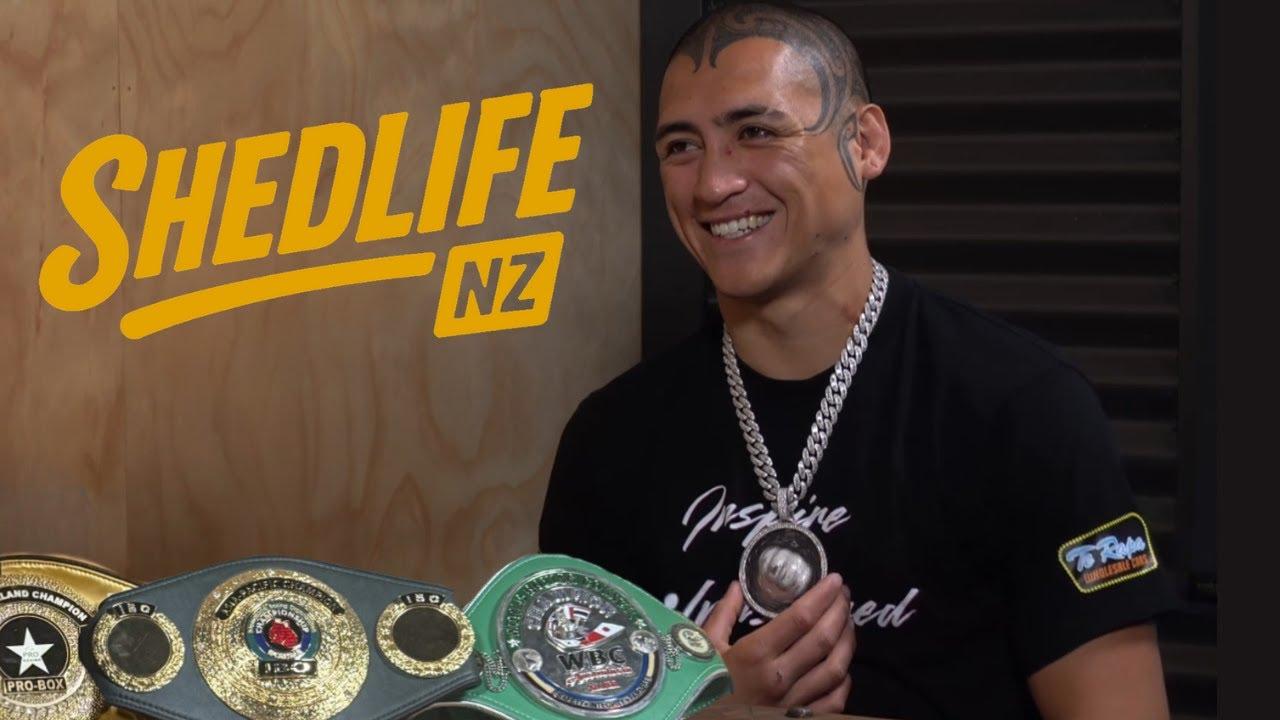
Arm wrestling in New Zealand has a strange public image. Most people have only ever seen it across a pub table, elbows on the beer mats, and have no idea there is a real sport underneath with clubs, referees, weight classes, national titles and Kiwis who travel the world to compete. ShedLife found out the way we usually do: by having one of those Kiwis in the shed for an afternoon.
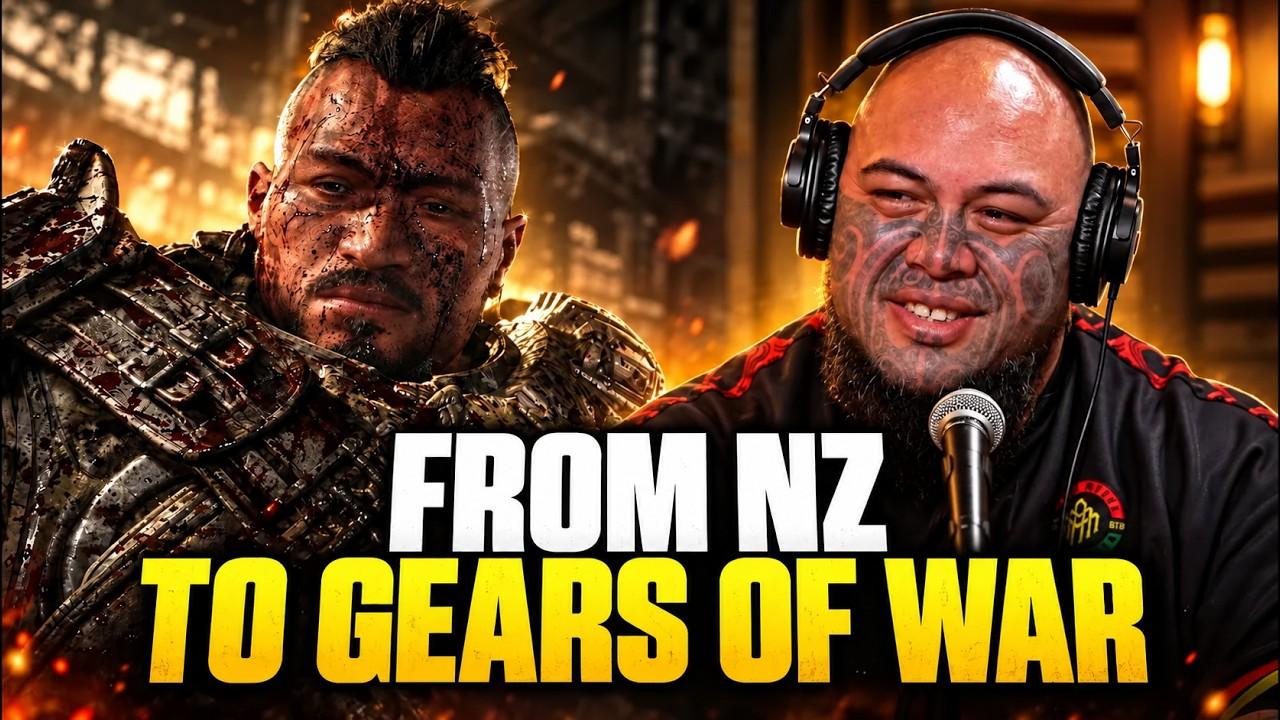
Maateiwarangi Heta-Morris, known as The Beast, is the Aotearoa arm wrestling champion and the man who went from arm wrestling on school rubbish bins to voicing Tai Kaliso in Gears of War. His story is the anchor for this page. Around it, we have put together the basics of how competitive arm wrestling works, why the pub version is a bad idea, and how to get into the real thing in New Zealand.
The Beast: from pub tables to Gears of War
Maateiwarangi's ShedLife episode is one of the most unusual conversations the show has had. The arm wrestling came first, starting on school rubbish bins and pub tables before it became serious. Somewhere along the way a Kiwi arm wrestler ended up in a video game, playing Tai Kaliso in Gears of War, which is the kind of sentence that needs the full episode to explain.
What the conversation is really about, though, is everything behind the table. Maateiwarangi talks with Jason about strength, tā moko, family and the people who made his achievements possible. He talks about service, and why he believes the greatest life is one lived for others. For a man whose nickname is The Beast, it is a gentle and generous hour.
If you want to know what it actually takes to be the best in the world at something most people only know from a pub, this is the episode. The full list of his titles is on the episode page, and it is long.
How competitive arm wrestling works
Competitive arm wrestling looks simple and is not. In general terms, here is what you are watching at a real match.
The table is the first thing. A regulation arm wrestling table is a set height, with an elbow pad on each side, a hand peg for the free hand to grip and touch pads that mark where a pin happens. Elbows must stay on the pads, feet usually stay on the ground, and the free hand holds the peg the whole time.
A referee sets the grip. Both pullers' hands are centred, thumbs visible, wrists straight, and the referee will adjust and re-adjust until it is fair. Then it is a ready, go, and the match is on. If the hands slip apart, the referee will strap the wrists together and restart, which is where you see the strange-looking binding in competition footage.
A pin is when the back of your opponent's hand or wrist touches the pad on your side. Matches are usually decided over a short format, often best of three in a tournament, with longer super matches for title fights. Fouls include lifting your elbow off the pad, a false start, and dropping your shoulder or turning your body into a dangerous position. Two fouls typically cost you the match.
Competitors are divided by weight class and by arm. Right arm and left arm are separate divisions, and a lot of pullers specialise in one. There are also novice, open and masters categories at most events, so a first-timer is not thrown in with a national champion.
The moves
There are three basic styles, and watching for them is what makes the sport interesting once you know what to look for.
The top roll is a hand and wrist game. You work your fingers up and over your opponent's hand, breaking their wrist back and taking their grip apart until they have nothing to pull with. Long arms and strong hands love the top roll.
The hook is a drag. You curl your wrist in towards you, lock your opponent's hand in close, and use your bicep, back and whole side to pull them down. It is the move most people instinctively try at a pub table, usually with no idea why it works.
The press, sometimes called a shoulder press, uses body weight from a strong position, with the shoulder behind the hand and the whole frame driving over the top. It is as much about where you stand as how strong you are.
Good pullers switch between styles mid-match depending on what the opponent gives them. Elite arm wrestling is a lot closer to chess than most people assume.
Why the pub version is a bad idea
The thing every club coach will tell you first is also the most important thing on this page. The injuries people have heard about, particularly the spiral fracture of the upper arm, almost always happen in untrained pulling: at a pub, a barbecue or a workplace, with no table, no referee, and one person turning their shoulder away from their hand while still pulling hard.
On a proper table, with your shoulder kept behind your hand and a referee ready to stop the match if your position goes wrong, the risk drops enormously. Clubs teach the safe setup before they teach anything else. If you are going to arm wrestle anyone, anywhere, learn that position first.
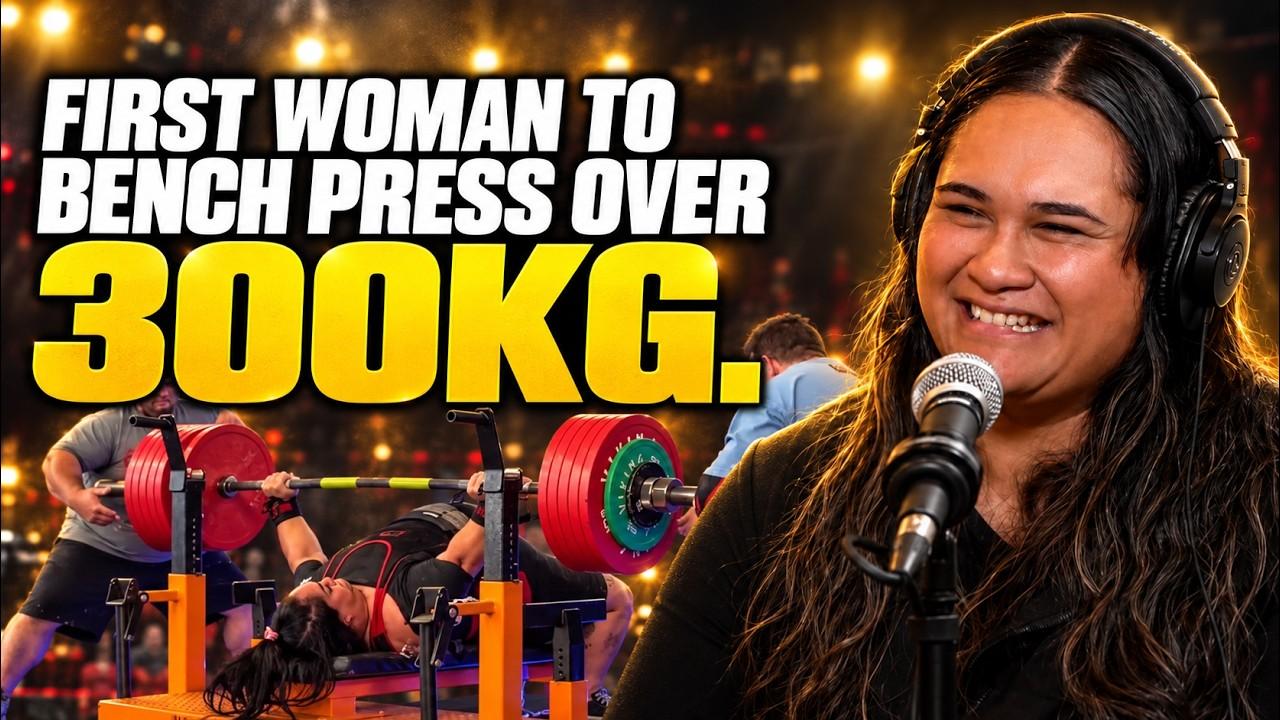
Arm wrestling also loads the elbow, wrist and forearm in ways nothing else does, so new pullers are told to build up gradually, train grip and wrist strength specifically, and give the tendons time to catch up to the muscle. Strength sport people will recognise the advice. Ashleigh Hoeta covers the same ground from the bench press side in her episode on how much you should really be able to bench.
How to get into arm wrestling in NZ
New Zealand's arm wrestling scene is small, close and welcoming, and getting into it is mostly a matter of finding the people. In general terms:
- Find a club. The main centres have groups that train on regulation tables, usually once or twice a week, run by experienced pullers who like teaching beginners. The national arm wrestling community is active on social media and is the quickest way to find the club nearest you.
- Turn up and learn the setup. Your first few sessions will be about grip, wrist position and keeping your shoulder behind your hand. Nobody expects you to win anything.
- Train the specific stuff. Grip, wrist curls, pronation, back and bicep work all matter more than a big bench. Pullers tend to be strong in odd, specific ways.
- Enter a novice division. Most local events run beginner categories, and a national body sanctions championships and selects teams for overseas competition. That is the pathway Maateiwarangi followed from school rubbish bins to the world stage.
Pubs still run arm wrestling nights, and they can be a fun way in, but go to one with a table and a referee rather than one with beer mats and a dare.
ShedLife episodes for arm wrestling and strength
- From Pub Arm Wrestling to Playing Tai Kaliso in Gears of War | Maateiwarangi Heta-Morris: the Aotearoa arm wrestling champion on his journey, the family behind him and a life lived in service of others.
- How Much Should You REALLY Be Able to Bench? | Ashleigh Hoeta: a straight-talking look at strength standards and what the numbers actually mean.
- King of the Knockouts Francis Waitai: the very first ShedLife episode, with heavyweight boxer Francis Waitai on his journey through amateur and professional boxing.
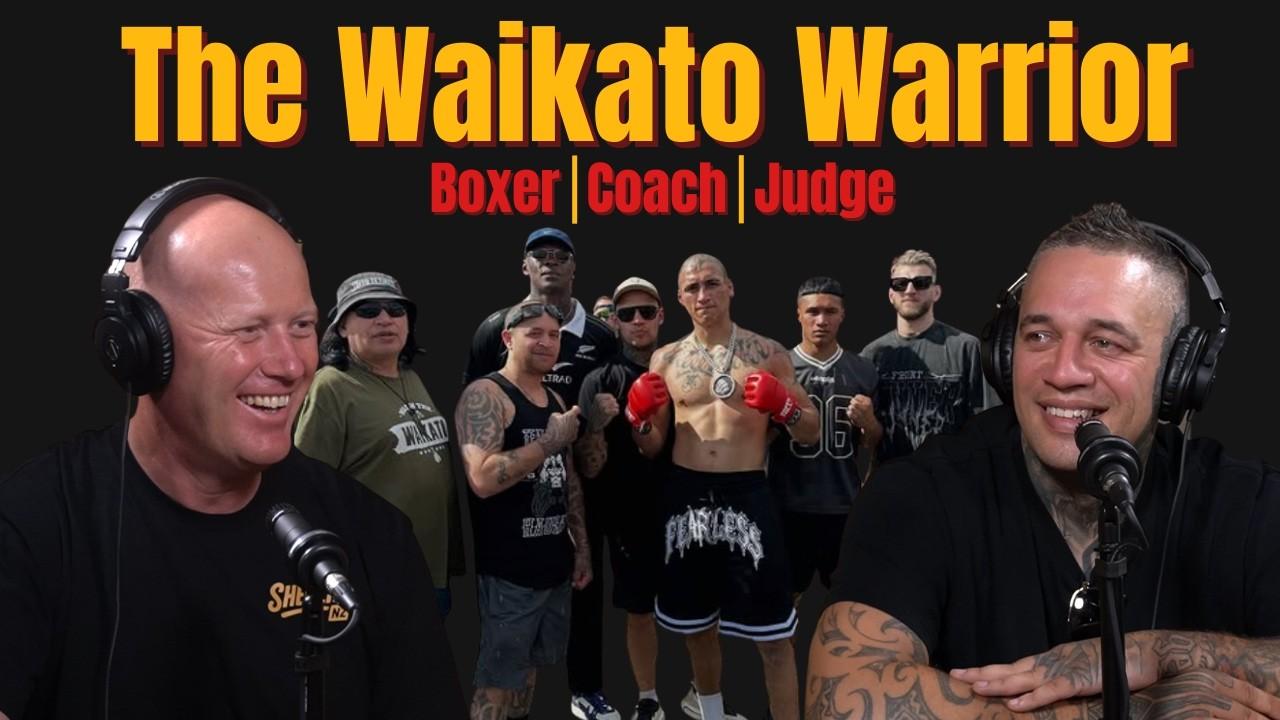
- Cairo George on Life in Boxing: 1 Min Scraps Judge, ProBoxer, Coach and Gym Owner: an undefeated former pro on fighting, coaching the next generation and judging 1 Minute Scraps.
- Liam Messam: Boxing, Business, All Blacks and Chiefs Mana: the former All Black on his move into the boxing ring and the lessons that carried over.
Where next
Arm wrestling sits naturally alongside the rest of ShedLife's combat and strength conversations. NZ MMA and combat sports collects the fighters, coaches and announcers who have come through the shed, and NZ boxing is the deepest thread on the show. If you pull competitively, run a club or have an arm wrestling story worth telling, have a look at how to be a guest on ShedLife.