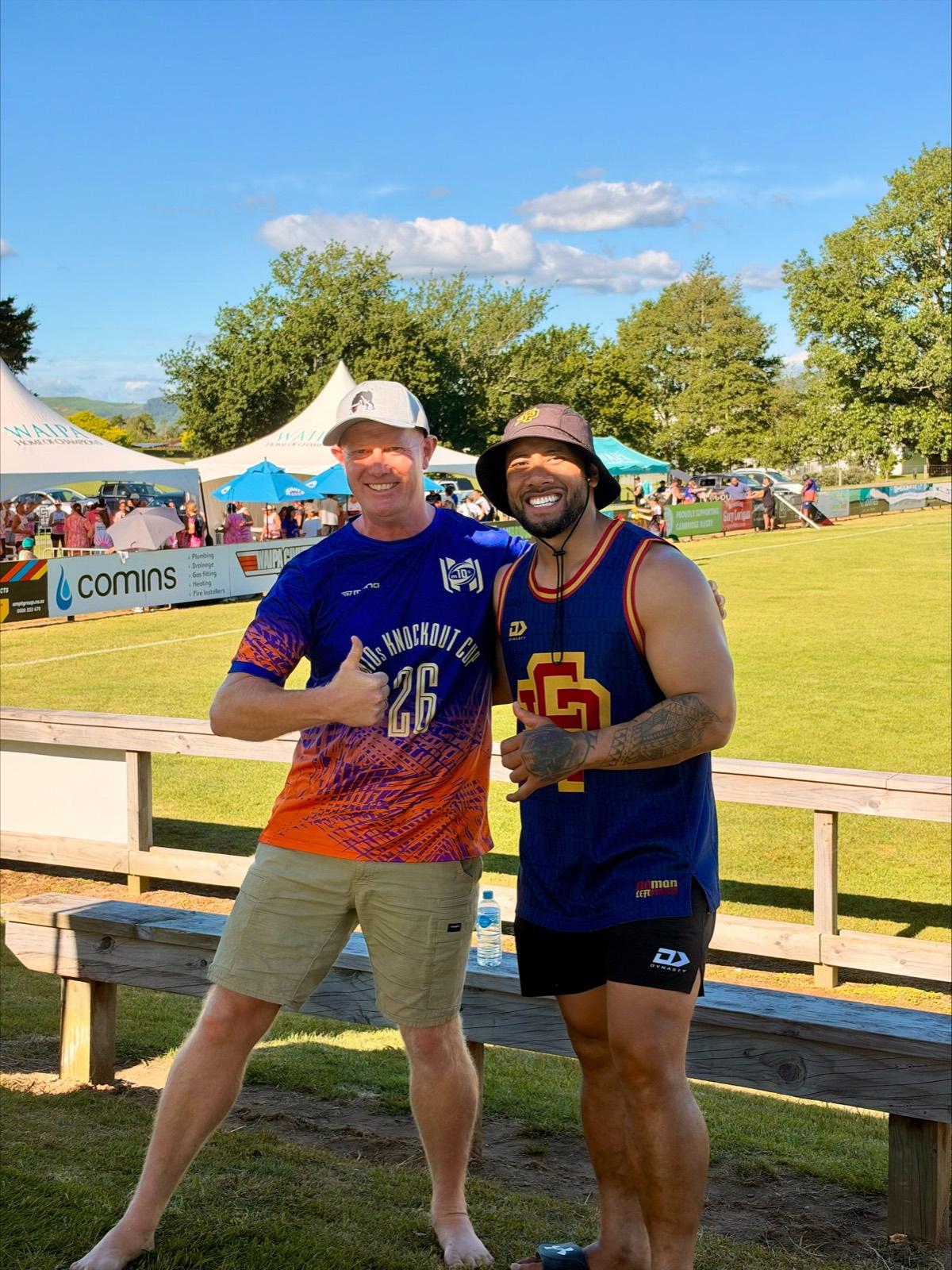
The Messam 10s is a one-day, ten-a-side knockout rugby tournament for club teams, started by former All Black and Chiefs stalwart Liam Messam. Thirty-two men's teams, $35,000 on the line, no second chances. The first one was played at Hautapu Rugby Club in Cambridge on Saturday 14 November 2026. ShedLife NZ and Waikato Sheds were the content and media partner, so this page pulls together what it is, how it works, why Liam built it, and how the first day went.
What the Messam 10s is
Tens sits between the two formats most people know. Liam describes it as having the defence and physicality of fifteens with a bit of the flair of sevens. Games are two ten-minute halves. The day runs at Hautapu in the Waikato in November, when the sun is out, and the Waikato Sheds Short below is the quick version of the pitch.
The format is what makes it different. Thirty-two men's teams go straight into knockout: 16 games in the first round, then eight, four, two and a final. As Liam puts it on ShedLife, you get no second chances. You either progress to the next round or you are straight into the party tent. In a normal sevens tournament you can lose a pool game and build into the day. Here, if you are not on in your first game, you are gone.
Liam says nothing like it had been done in New Zealand rugby, and that was the attraction. There is a women's draw too, 16 teams at the time of his ShedLife chat, with at least one side carrying enough quality that a few opponents got nervous. His view: it is one ten-minute half at a time, and anything can happen in a game of rugby.
The $35,000 and the reason behind it
The money is real. Liam is upfront that $35,000 for the men's competition is a lot of money and that it has got teams excited. The Waikato Sheds Short calls it the biggest grassroots rugby cash prize in the country. But he is just as clear that the rugby is the easy part.
The first kaupapa is club rugby. Liam wanted to give back to the game and to the kind of tournament that gave him opportunities when he was young. He is tired of the narrative that club rugby is dying, and he wanted a day that gets players back to their clubs, proud to represent them, in a format that puts club numbers on a field. He talks about this at length in his ShedLife episode, alongside the reunion that brought him back to Hautapu after he had assumed he could not go back.
The deeper kaupapa is men's mental health. The tournament supports the Last Chance Project, a Hamilton group where men check in with each other every week. What Liam likes about them is that they are not just about awareness. New Zealand has plenty of awareness, he says; the question is how to action it. Two things are known to be good for your head: doing something physical, and social connection. The rugby is the physical part. Thirty-two teams, their families and the party tent are the social part. Put them together and you have a day that might reconnect someone with a club they drifted away from two or three years ago, or give a bloke a sense of belonging and purpose he has been missing.
How the Messam 10s was born
Tai Tupou founded the Last Chance Project, and he tells the other half of the story in the Short below, taken from his own ShedLife episode.
The connection goes back to a charity game in Rotorua the year before, where Tai put together a team of former NRL players and other well-known names, Liam among them, to play a local iwi side. They won, just, and Tai admits the boys knew early they were in for a big day. Liam had dealt with Tai through his work over the years, and this year he reached out. Tai says Liam has a big heart for what the project does, genuinely believes in it, and tries to get them involved wherever he can, in rugby and outside it. That wish to give back turned into the Messam 10s.
The two of them, with a third organiser, share a view of where rugby should be heading: back to the days of turning up, having a jam, and the people on the sideline enjoying it as much as the players.
If you want to understand what the Last Chance Project does week to week, the traffic light check-in and why it works, start with the men's mental health in NZ page. It has the helplines too.
How the first Messam 10s went
The first Messam 10s was held at Hautapu Rugby Club in Cambridge on Saturday 14 November 2026, with men's and women's draws playing for the $35,000 prize pool and every entry supporting men's mental health. ShedLife NZ was proud to come on board as content and media partner alongside Waikato Sheds, with the tournament organised by Liam Messam and The Last Chance Project.
It was a big day for grassroots rugby. Some teams brought 100 to 150 supporters each, families made the most of a dedicated kids' area, and the official Messam 10s social media accounts reached just under a million views.
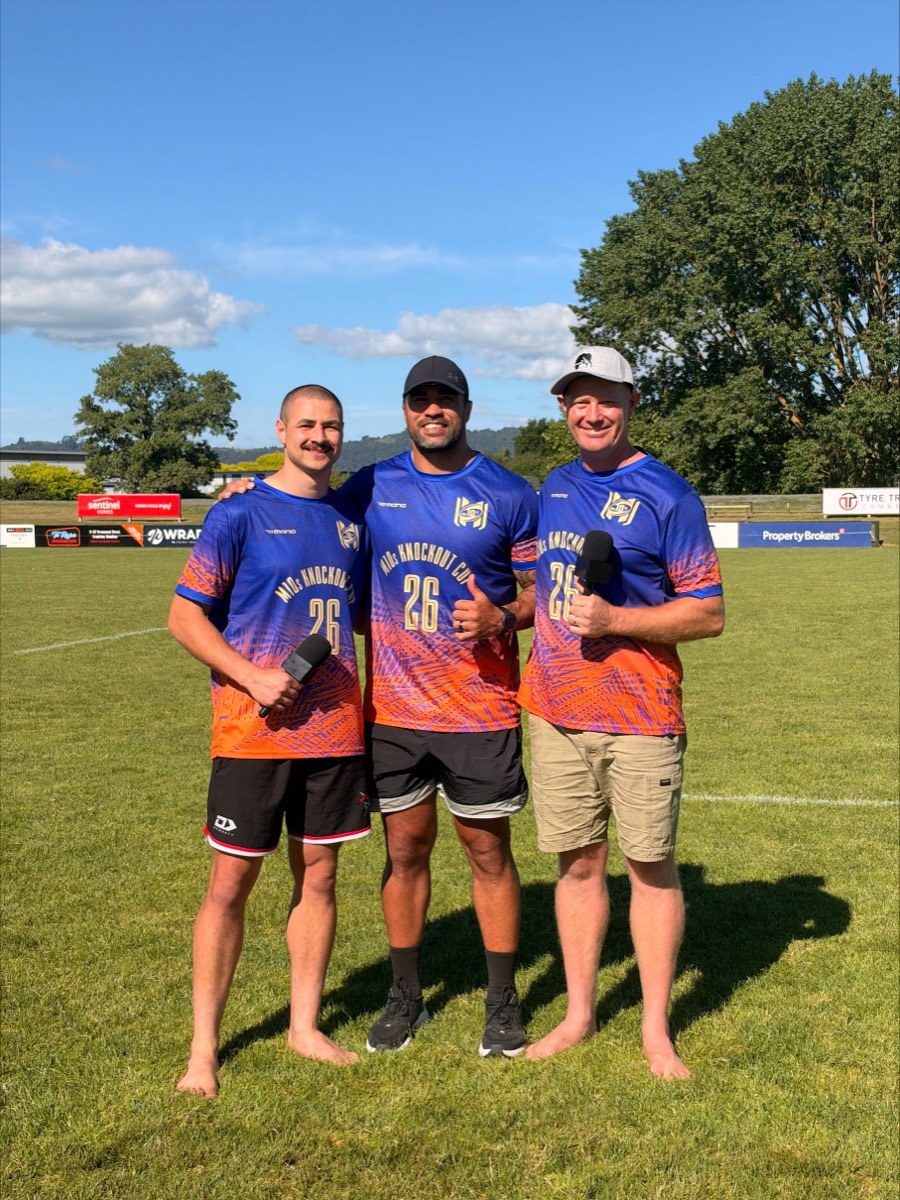
After the event, the organisers wrote to us:
"We hope you can see the value your contribution has made, not only through the exposure and engagement generated but through the experience we were able to create for our community. Rugby was the vehicle, but connection, community and wellbeing were always the bigger purpose."
Messam 10s Organising Committee, The Last Chance Project
"The team couldn't stop talking about the effort, energy and grind you and your team put in. Appreciate you being a part of it in a big way. It's only the beginning."
Tai Tupou, The Last Chance Project
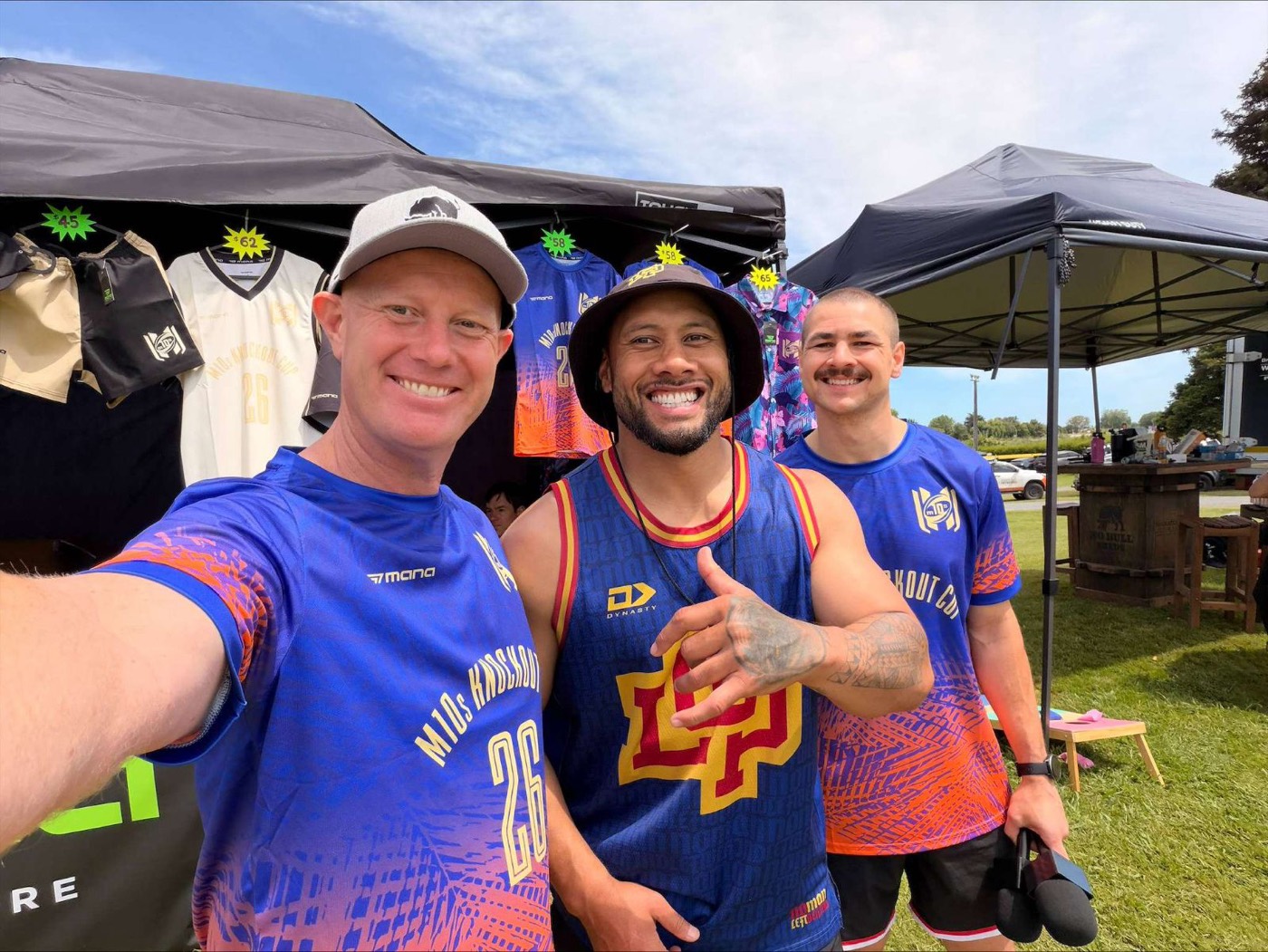
Grassroots rugby, a strong community and a cause worth backing are exactly the kind of story we love telling at ShedLife. We'd love to be part of it again in 2027. For entries and dates, see the Messam 10s website.
ShedLife NZ, Waikato Sheds and grassroots rugby NZ
ShedLife NZ is recorded by Waikato Sheds in a shed in Eureka, and grassroots rugby NZ comes up in that shed more than almost anything else. Club rugby, as our Waikato rugby page puts it, is where people play for their town and their mates, and the Messam 10s fits that exactly. As the content and media partner, the show and the Waikato Sheds YouTube channel were at the tournament with cameras.
Watch and listen
- Liam Messam: Boxing, Business, All Blacks and Chiefs Mana, where the Messam 10s section starts around 12 minutes in.
- Tai Tupou: The Traffic Light Check-In That Gets Men Talking.
- Guest pages for Liam Messam and Tai Tupou.
Liam's advice for the day itself is simple: it is for the players, but bring the kids down, watch the rugby and enjoy it.