Rugby · · 2 hr
James Tucker: 22 Surgeries, Resilience and Refusing to Quit Rugby
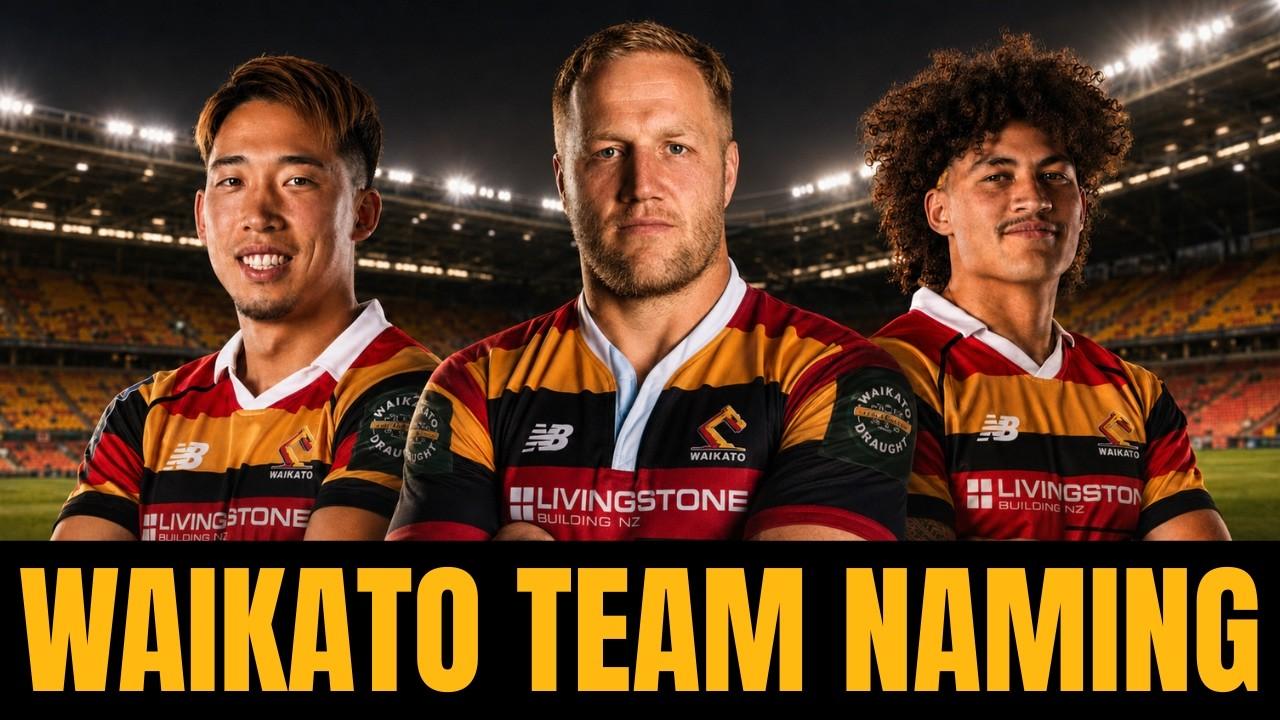
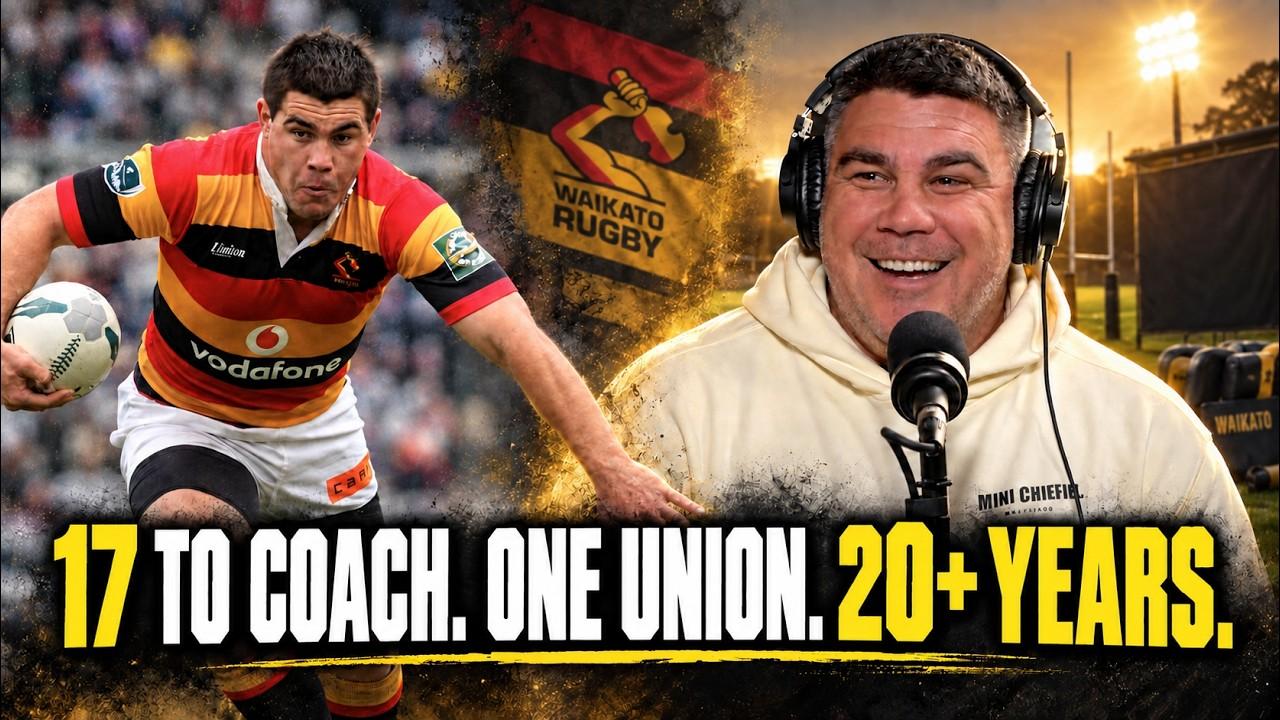
James Tucker joins Jason Davis to talk about 13 years of professional rugby, 22 surgeries, an eye-gouging charge at the Under 20 World Cup, winning the Ranfurly Shield with Waikato and building a new life with his wife Courtney after sport.
Play audio here
Best bits
“But the Shield, it's just something else, the history behind it.”
James Tucker
“Just eat a heap of healthy food and you've obviously got to lift a bit of weight.”
James Tucker
In this episode
About this episode
James Tucker is a Christchurch-raised lock and loose forward who spent 13 years in professional rugby with Waikato, the Chiefs, Blues, Hurricanes and Brumbies, and went under the knife 22 times along the way. In this two-hour chat Jason Davis takes him through the lot: the Lions game in Whangārei, an eye-gouging charge at the Under 20 World Cup, a Ranfurly Shield win with a very young Waikato side, and the cleaning business he and his wife Courtney run now.
The Lions in Whangārei
In 2017 James played for the Provincial Barbarians against the British and Irish Lions. The Barbarians started four locks, all of them tighthead types, and nearly got the job done. The Lions had come off the plane in Auckland and been driven straight up the road to play within three or four days. James calls it one of the better weeks he has had in rugby, and says the big bank at the Whangārei ground, covered in people, gave him hands down the best atmosphere he has played in front of.
Christchurch, the quake and choosing rugby
James grew up mostly in Christchurch, with four years in Sydney while his dad worked for a golf company. Back home he boarded at St Bede's from 2008 even though his parents lived about three kilometres away. He was standing near the school chapel in February 2011 when the pool flooded out at his feet and dust rose over the Port Hills. He was named in a New Zealand under-19 cricket squad and was also in the frame for the New Zealand schools rugby side, picked rugby, and still wonders what a World Cup would have been like. Offered contracts by Canterbury and Waikato, he went north because Waikato showed him a pathway. At the Canterbury meeting, he says, nobody knew who he was.
Cleared of eye gouging
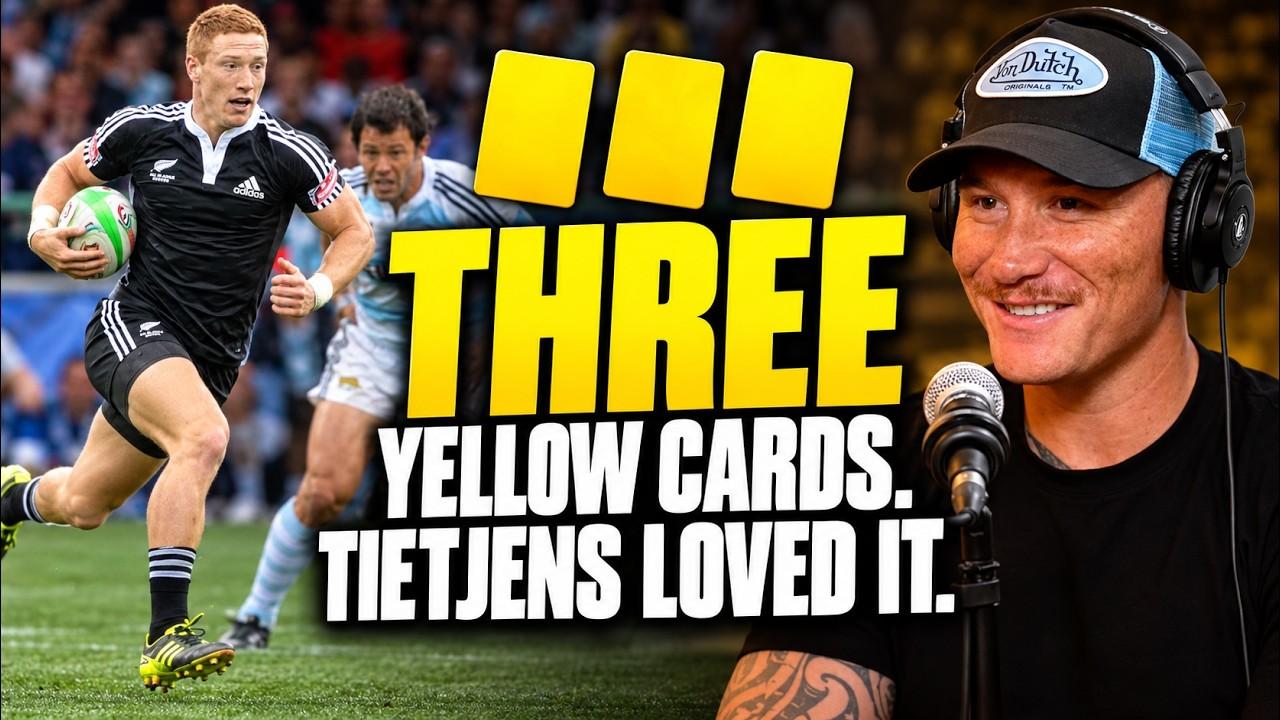
At the 2014 Under 20 World Cup in Auckland, James came off the bench against Scotland. The next day the coaches told him he had been accused of eye gouging and faced 16 weeks out, with a judiciary hearing the day before the semi-final. His lawyer warned him he would probably be found guilty. Then footage showed the hand that made contact had a strapped thumb, and the judge found him not guilty. Nothing went on his record, and New Zealand lost the semi to South Africa.
The Ranfurly Shield, and the injuries pile up
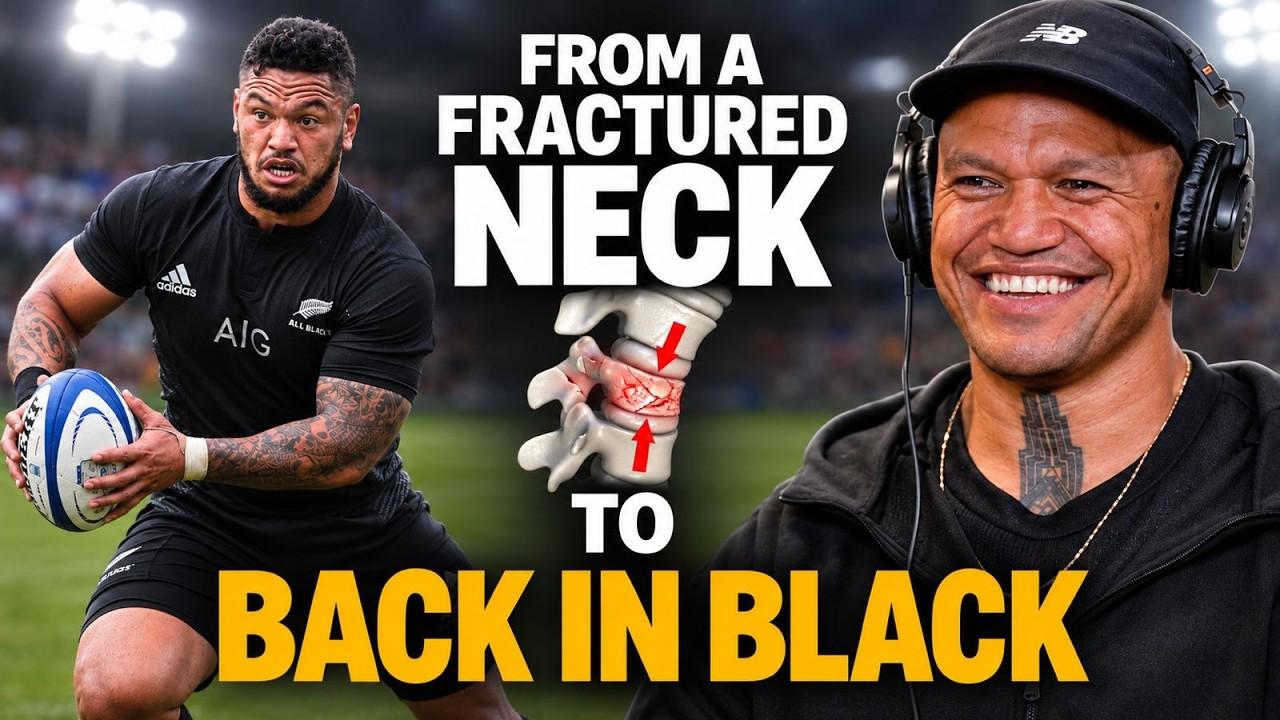
Waikato won the Shield in 2015 in the last game of a poor season, with a side averaging about 21, leading 30-5 at halftime. He explains why the Shield feels different, and why training week is more fun when you only have to win one game. Then came the injuries: the first ACL against North Harbour in 2016, a knee that locked up at Zebre in Italy, a physio called Mateo who restarted his career, a broken sacrum at the Blues that turned out to follow ten or twelve games on a fractured foot from Japan, a second ACL, rib cartilage snapped in Melbourne with the Brumbies and a thumb that needed three operations.
What resilience means
When people called him injury prone and questioned his resilience, James says it motivated him: he has come back from every single injury. He and Jason also talk about training loads for school kids, and where hard work tips into burnout.
Busy Bees and life after sport
While in Japan, he and Courtney started looking at businesses for sale and found Busy Bees Cleaning. They are master franchisees for Waikato and the Bay of Plenty, finding work for franchisees across residential, commercial and builders' cleans. Courtney, a chartered accountant, has launched Tucker Accounting. James has signed back with Waikato and hopes to be on the field for round one.
If you like the Waikato rugby side of this, read our Sport Weekly Wrap on Counties winning the Ranfurly Shield, the Waikato Rugby guide, and hear Liam Messam on club rugby, the Chiefs and giving back. All of James's appearances are on the James Tucker guest page.
Questions people ask
Who is James Tucker?
How many surgeries has James Tucker had?
What does James Tucker do now?
Which teams did James Tucker play for?
Did James Tucker win the Ranfurly Shield?
Mentioned in this episode
Transcript
Generated from the audio, so expect the odd wrong word or name. Timestamps open that moment on YouTube.
0:00One of the better weeks I've had in rugby, I reckon. I still remember walking out to the crowd because obviously they've got the big bank and it was just covered. People were everywhere. It was, yeah, hands down probably the best atmosphere I've played in front of. What's your record on the bench? My bench was 170. Reasonably good at power cleans. I think I had the record at the Chiefs for about two minutes. I banged out whatever it was, might have been 145 and then Mama Viapulu, like number eight.
0:30Whipped up five kgs heavier and I was never going heavier than what I'd just done. But I've watched with Ben Tamifuna squatted, it was 300 or something ridiculous. Basically every team, when you're about to attempt a PB or a record on the board, there's a bell or something rung and so everyone's then watching you, which is, you know, hypes you up at the same time.
0:51I'd be like, I better make sure I get this now and waste everyone's time. But that's awesome because it gives you that, it's the same feeling as playing a game of rugby in front of a big crowd, you know, and that's what we strive for, that environment. Zebra, what was it like Italian rugby? It was interesting. I got off the plane on a Thursday, got there and they're like, okay, we need you to play this weekend, which was fine.
1:11That's what I'm there to do, right? Yep. We'll give you 60 minutes. Or they might have asked me, I said, 50 to 60, fine. Because 40, get a break, way you go. And then we're playing Munster. And yeah, as I said, I got to like the 75th minute or whatever it was. Yeah, looking around, why am I on this field still?
Read the full transcript · about 97 min
1:27Yeah, just got caught from behind. I think it might have been another ankle tap and grabbed and then just locked up completely. The good thing over there is because they've got all the football and the medical side of things is crazy. They've got their own MRI machines and all this jazz. I go straight off the field. They spent about 10 minutes trying to straighten my leg out, which I wasn't too impressed with because it wasn't happening.
1:49Yeah. And then they took me straight to hospital to an MRI machine, which again, you've got to have a straight leg to go on the MRI machine. And so they had to jam the thing down. And then the next day I went to Milan. So I got driven up and had surgery the next day. Because obviously you're an overseas player, they try to rush you back into play.
2:08They changed physio and got this guy, Matteo. And to the start, I still reckon that he almost kick-started my career again. What was Roger to have asked to share? Like we spoke earlier about dudes that are going hard in the gym and that. But you know, what was he like? Just an absolute professional around everything he did.
2:23Absolute freak athlete. He was big enough where you had to be going forward to hit him, even at my size. But then he could step to the other side of the room and like that. And so we played Auckland up in Auckland and he was playing. He set me from so far away, I don't even think it counted as a missed tackle.
2:42But I was trying to get him. Yeah. And I just started laughing on the field. I don't think I've ever laughed. And Adrian Chodel, one of the Auckland boys, started laughing as well. We just moved on from there. It was just ridiculous. Like freak athlete.
2:58All right. Welcome to ShedLife. We've got another awesome episode. As we know, everyone's welcome in the shed. Today, 13 years professional rugby player. We're talking to James Tucker, introduced by Aidan Johnston. To me to get along. Husband, father, entrepreneur. As I said, pro rugby player. We're just talking 22 surgeries, 12 of them, big proper ones. So we're going to get into that.
3:24But first, welcome aboard. Thank you. Thanks for having me, mate. No worries, mate. It's good to see you. So we won't start quite at the beginning. I wanted to ask, what was it like playing 2017, the British and Irish Lions? You played for the provincial town. Almost got the win over them as well. Yeah, we did. I think the key there was we had four locks on the field to start the game.
3:44So we had four, five, six, and eight. All four of us were basically tiehead locks as well. So that was obviously key to that. But yeah, that was. Do you remember who were the other locks? It was. Who played lock? Kipper. Mewitt, I think is his full name. Josh Goodhue. Yeah.
4:06Oz at six. And Mitchell Dunshay played eight. Nice. Yeah, so four battlers, basically. All out on the field. Probably say that whole team was full of battlers, to be fair. But we almost got the job done that day. Yeah. What was the occasion like? Was the Barmy Army in full voice for them? Yeah, I think it would have been quite hard for them.
4:29Because they got off the plane in Auckland, obviously. And they literally drove straight up the road to Whangarei and played us within three or four days. I'm not sure how much training they'd done before they got there and all that. But you come up against a bunch of battlers. Yeah, you guys are fired up. We're fired up.
4:49You know, most of us had played a bit of super rugby or at least provincial rugby. But this is the highlight of your career, almost. And so we're, you know, chomping at the bit. And they'd sort of get through this one and get ready for the All Blacks, right?
5:06And yeah, a couple of key moments in the game. If they went a different way, we would have tipped them up, which wouldn't have been great for them, but would have been pretty awesome for us. Yeah, that's it.
5:18What was it? 17-14? Yeah, yeah, yeah. I think it was. And yeah, as I said, there was a couple passes that could have been passed and things like that. But yeah, it's a sport. You don't want to dwell on it too much. But it was just the whole week was something else. It wasn't a serious rugby week.
5:38You're preparing for a whole competition. It was, we'll go out there. And we're a Barbarians team, so we looked at it that way, have a bit of fun. But obviously, the goal end game is to win the game. Yeah, why? And create a legacy if you can. I don't think they've played before or will probably play again.
5:58But if we'd tipped them up, it would have been pretty awesome. But yeah, one of the better weeks I've had in rugby, I reckon. Yeah, that's cool. But yeah, and regardless of it, I was still obviously did it proud and just had a good game.
6:14Yeah. Yeah, and the Whangarei crowd. Oh, yeah. I still remember walking out to the crowd. Because obviously, they've got the big bank up there. And you walk through the thing and you could hear it all roaring and that. But it's actually, I don't know, I can't remember how it looks on TV, but it's a very high hill.
6:32Yes. And it was just covered. Yeah. People were everywhere. It was, yeah, hands down probably the best atmosphere I've played in front of. Packed out stadium. You know, an older school stadium where everything's quite tight and because it goes up, it's just noisy. And yeah, it was pretty cool. Yeah, cauldron and noise, eh? Yeah. Yes. And now you've got those indoor stadiums, obviously, like the Crosshuge one.
6:54Yeah. Again, and Dunedin, obviously, just echoes a bit, which is cool again. Yeah. I haven't been in one of them when they've been packed out yet. But yeah, that was pretty awesome up north. Yeah. Awesome. All right. Well, let's go back to the beginning.
7:10Where'd you grow up? I've heard, you know, you and both your brothers are pretty talented rugby players, but also talented cricketers and that. Yeah.
7:19So I grew up in, mainly in Christchurch. We were there for, you know, the beginning and then we moved to Sydney for about four years. Dad was head of golf company. So we're over there for that. That's what I heard. You play on like a plus one handicap. When I'm allowed to play, I can get into that.
7:39But yeah, so we love a bit of golf, but we didn't play a heap back then because we obviously had a whole lot of other sport that we were playing as well. And I think Dad was a bit fried with the golf at that point. So he didn't want to, he wasn't playing too much either.
7:53But yeah, so I spent four years down over in Australia. I started high school there and then it was about that time where NCA, or their equivalent, was about to start. So we were either going to move back or stay there for, probably still be there now. Yeah. And they made the decision to come back for my older brother.
8:12So yeah, I started at St. Bede's 2008, I believe it was, in year nine. Oh yeah. And we actually had to board. And so my parents lived about three Ks away from the school. I could have walked home and to school, but here we were boarding, which was interesting. It was good. Like looking, I think looking back on it, you enjoyed it more than what you thought at the time.
8:35But I was just of the mindset of why the hell am I boarding? Yeah. My grandparents lived on the back fence and my parents live three Ks away.
8:46But no, it was good. My older brother actually, he boarded another year post that. I think they were all sneaking out and it was a bit easier to sneak out of school than from home. So that probably played a big part in that.
9:02What were the major sports then? Was it cricket, rugby? Yeah. Cricket and rugby were definitely the biggest come high school. I played a bit of tennis and you dabble in everything when you're younger.
9:18But by school at St. Bede, it was cricket and rugby. I think I made the first 11 in year 10. So cricket obviously got big pretty quick. Still playing rugby as well. You know, you've got all your canary metro. So competitive enough.
9:38And then all the way through, it was just cricket and rugby basically. Trying to dabble in a bit of schoolwork in between if you could.
9:49Yeah. And then, no, yeah. Just basically, we were down there until we ended up moving to the backfield into my grandparents' house. So we were right. We moved out of the boarding into the. So moved out of the boarding. Might have had a year in the other house and then we almost swapped. And I still remember Jerry Davidson as a deputy principal, first for Dean coach, you know, old dog of St. Bede's.
10:18And the three most late at the college were myself, who lived there basically, my younger brother, and Billy Harmon. But Billy lived in New Briden or something. He had a bus and car and, you know, he had an excuse for it. We had no excuse at all. Just sleeping in, eating breakfast. Yeah, pretty much. Not in a rush.
10:41No. Well, you do, yeah, come rugby, it's a bit more serious. You've got to go to the gym and whatnot in the morning back then. And then it's come home and sit down and relax a bit, trying to, you know, form class. I had a good form teacher who used to mark me down regardless of if I turned up or not.
10:55Yeah, nice. The only issue was if I was actually sick. I was then marked at form class and not present for the six periods for the rest of the day. So for whatever reason, I've turned up and then decided to bunk afterwards. Yeah.
11:09So it was pretty, pretty cruisy and good time. What was it like I just asked? Because earthquakes, 2011? 2011, yes. Yeah. There was 2010 September. We were up at the top four, actually. Oh, yeah. So missed all of that.
11:30My older brother didn't even know there was an earthquake. He'd been out in the town and slept through it all. Wondered why all the oil and stuff had spilled on the floor in the morning. I was like, wow, I was a real mess when I came home. Yeah. Why's mum and dad rung me 10 times? Oh, I didn't know.
11:46What have I done? Exactly. It was just an absolute mess, that man. Yeah. So then we were, I remember it vividly, standing in the, by the chapel. It's gone now. It used to be the heart of the school. And there's a swimming pool. And there'd been plenty of earthquakes since the September one. And then the boarding dorm was just shaking and the tuck shops underneath it.
12:10And you're like, shit, that's slightly bigger than what we've had. And you can't normally feel them when you're standing up. And then obviously it shook the pool. And then the pool was a raised pool. And it just started flooding out onto the, you know, all the way up to our feet. Wow. And you're like, jeez, that's not normal.
12:30Yeah. And they send you to the front field of St. Bede's, you know, with a rugby field and that is. And I remember looking over to the Port Hills, which is the city. Yeah. And it was just dust. Wow. Rising everywhere. And again, you're sort of naive and young and you don't really know what's going on. But you're like, that's probably not ideal.
12:50No. And then obviously your parents had to come and get you before you could leave. And my parents were working on the other side of town. So again, you're like, shit, well, what's going on there? Because you couldn't text, you couldn't make any phone calls because all the data, you know, everyone's trying to do it. So yeah, it was a pretty strange moment.
13:12Got home. They let us go because we lived on the backfield and there's an alarm going off that I don't even think mum and dad knew there was a house alarm. So no one knew how to turn this alarm off that was going on. It was just a whole lot of unknown for everyone after that. So the school sort of worked out pretty good for us because Marion College, who were in town, the sister school at St. Bede's, their school got red stickered.
13:39And they all agreed that they would come and would do half day. So we got the morning shift and they got the night shift. So we start at 7.30 and we finish school by 12 o'clock. So in the middle of winter, we're, you know, we're out and done on the perfect time of the day. And these girls had to go on, obviously living at the back fence, they're walking home in the dark.
13:58Yeah. Which in hindsight probably would have been safer if they'd done it the other way around. But for a bad circumstance, the schooling side of things ended up being quite good for us. Yeah. Yeah, suddenly had a bunch of girls to talk to at school. Yeah, yeah. A few of them came into our classes as well. So that was a shock to the system.
14:17We didn't know what to do. But yeah, just been looking at a whole bunch of ugly boys for 40 minutes of class. Yeah. Yeah, it's cool. It's been pretty impressive. Not pretty. It's been impressive, the resilience of Canterbury and Christchurch, of how it, what happened. Mm. The rebuild. The attitude of the community afterwards, of everyone getting stuck in and just cleaning it up and getting it done.
14:40And now, it's probably longer than we thought, but, you know, with the new stadium, you know, it's just the rebirth. There's a bunch of my son's mates, I don't know, Trent, Luke, Cruz, Antonio. Heaps of the boys are all moving to Christchurch, which is pretty cool. Yeah. I'd rather them move to Christchurch than Australia. You know, like, at least they can fly back.
14:59Yeah, exactly. Mind you, it probably costs the same these days. Absolutely. Yeah. But, yeah, no, I remember talking to my uncle and, you know, older people than me. People used to come from Dunedin to go to Christchurch. Yeah. To go out. Mm-hmm. We obviously, for that 10-year period, it was the complete opposite. Yeah. But the way, yeah, the way they've built it all up, it's all central.
15:22And I believe it used to be reasonably central anyway. Jade Stadium wasn't far away and all that. But, yeah, with that new stadiums situated, just how nice all the eateries and bars and restaurants and shopping's all there as well. Yeah.
15:37I imagine plenty of Cantabrians still complain about the roads. There's plenty of bumpy roads around. Oh, yeah. But, no, they've done it. Yeah, it's a pretty awesome city. Yeah, no, it's cool.
15:48So, you made the New Zealand schools 2012, but how did you make the choice between cricket and rugby? Was there, like, a pivotal moment where you're like, I can't keep playing both? Unfortunately, you're not in that golden era of trying to, you know, do them both. Rugby is just pretty much 12 months a year. Yeah. Well, they're both pretty much.
16:07It's like this cricket going on right now. Yeah. Yeah, no, it's why, to fast forward a few years, we played at the Blues. The Blackcaps played on a Friday night and we played on the Saturday. Yeah. So, we were running around on, you know, half an inch of grass and it was tough on the lums, but that's a whole other story.
16:26But you just can't do it these days. And I got to the point where it was, there's a World Cup for the under-19s every two years for cricket. Yeah. And I'd made the New Zealand Whiters squad for the under-19s. But obviously, I was also buying for the New Zealand secondary schools rugby side.
16:48And the World Cup was in Australia. Granted, I still had to make the travelling squad, but rugby weren't so great in that situation. Cricket, I always remember, Paul Wiseman was the man who I dealt with. He was Canterbury under-19s coach and involved in the New Zealand stuff. And he was like, play as much rugby as you want.
17:10If you get injured, well, that happens. If you don't, you can come and play cricket. Where rugby was sort of, and I guess rugby's a bit sterner in things that they do, you know, a bit more strict. And it was, if you go play cricket, you're probably not going to make New Zealand schools. I would have missed half the first of Dean's season.
17:30So, you know, they can't justify picking him anyway. And I guess at that point in time, I was like, well, I wanted to play rugby.
17:39And so I made that decision then. Still not giving up on cricket, but obviously gave up on potentially playing a World Cup. Which was, I don't know, I think back then I sort of brushed it off. But now, looking back, I wish I'd, I don't know, given it a crack and tried to do both. Because there's some big names.
17:57I think from memory, Pat Cummins, he was over there. Nice. I think he was bowling Thunderbolts back then too. He's a bit faster than what he is now. So I probably wouldn't have wanted to play against him. But yeah, anyway, made that decision then. And obviously made New Zealand schools. Yeah. And then fortunate enough to get offered a couple contracts one day down in Canterbury and one up at Waikato.
18:24And the cricket were there or thereabouts as well at that situation or that stage. But yeah, rugby was sort of where I wanted to go.
18:34You always have moments where you're like, shit, I don't know if I've given that a go. Or what would have been to happen? But that's life, you know, you've always got those decisions and yeah, chose rugby obviously. And so you had the opportunity, Canterbury or Waikato?
18:52Why? Yeah. It's great. I mean, you've been a strong Waikato man for a long time now. But yeah. Yeah, I would definitely consider myself a Waikato man. And I guess the answer is, I don't know how honest I want to be. But I won't name names, but I had a meeting with Chiefs guys, Dave Rennie, Wayne Smith, you know, and that was awesome.
19:17We had our New Zealand schools up here and I went in and met all the guys, Phil Healy, the trainer. And obviously at Waikato, who was the head coach? Chris Gibbs was head coach then. He did move on reasonably quick. But Mike Crawford and people who are still around now were all there. And it was, you know, really felt like they were invested in a pathway and they showed me where they saw me going and how I got there.
19:41Cool. And then I remember going to the Canterbury meeting with a player and coach, both very well known. And both of them, and you don't expect to be known, but if someone's trying to sort of sign you in, you sort of think they'd do a little bit of homework. And both of them said they didn't know me from a bar of soap.
20:03And so you're sort of like, well, you're the one trying to sign me. Yeah, you invited me to the meeting. Yeah. I know I haven't really achieved anything here, but you probably should have done some homework. And so it was just, it just went along the lines of that. Yeah.
20:17Which is no issue. I don't know if that's what everyone's meeting was like at Canterbury. And there was just an incentive to try and get better or whatever it was. But if you're shown a pathway and a way to achieve that path, then it just seemed like the better option at the time. Yeah. And yeah, made the move up and that didn't all go smoothly.
20:41But it's great. I wouldn't change it for the world. Yeah. No, that's cool. So you played schoolboy rugby. Chased to go up to Waikata. So what are they, like you said, is it generic or they set you up? But what do they expect of you in terms of, is it fitness levels, strength levels, size levels? You know, like, do they go, hey, we want you to be 110 kgs or we want you to be, you know, like, do they have these real?
21:09Well, it's interesting. I don't think, but they sort of do and they sort of don't. For me, I had to get to 115 is probably my optimum playing size, being at Locke Lucy.
21:25But I think it went up very at about 95 kgs. So I wasn't putting on 20 kgs in a year. It turns out I got injured and was able to put on quite a bit of weight pretty quickly anyway. Yeah. But they sort of map it out, but it does also depend on how quickly you start moving up the latest.
21:43So if you're playing club rugby, well, there's a whole lot of people running around at 100 kgs and you're not going to get banged up as much. No. Surely you're going up against men who are a bit more hardened than that. Yeah. So, you know, the stronger you can be, it helps. And then if you're getting into the provincial stuff where you're going up against probably, what do you call it, semi-professional, but 90% of them are professional rugby players.
22:08Yeah, definitely. All year round. And they're in the gym and they're bigger and stronger and faster and heavier. So you have to jump up another level to say 110 kgs at the least. And then, yeah, when you hit that super rugby, it's, yeah, the big time really. And you want to be, you don't need to necessarily be heavy.
22:29There's a whole speed and mass times, whatever, and this and that, which works. But the game gets, I don't want to say easier, but easier if you have that size behind you because your contacts are a whole lot easier than what they were if you're running into, if you're 120 and I'm 110, well, I've got to run that much faster or do this much other things to change it.
22:55So they don't necessarily rush it on, but as a player, I always felt, you know, skinny white guy, that was something that had to be put on through just excessive eating and training. Strength and that, I never struggled too much with. There was just the eating. You just feel sick. And I remember first year at the Chiefs, I was setting an alarm.
23:18Phil Hillier told me that Craig Clark used to set an alarm and he'd get up at midnight and have this massive, like, protein shake, oats and all this jazz. And I was like, okay, I'll do that. And so you're then disrupting sleep just to have this chunky drink. Yeah. But you do, like, I put it on very quickly.
23:39But then your fitness becomes the issue because all of a sudden I'm 10 kgs heavier and I can't run as fast as what I used to or I just can't carry it. Yeah. So in hindsight, definitely wish I took longer to put that weight on. Mm-hmm. But again. If you could speak to it now, you know, for young guys, because virtually every one of them will go through that sort of weather, 13, 18 or something.
24:05It's like, man, I just want to put on some size, you know, I want to put it on. It's like, I've just had a group of, like, 19-year-olds and they're all thinking I want to put on the size. What would be the tips or how would you say to best put on the size within a healthy reason?
24:22You know, like, to do it because I've had it all and I'm just a bit older, you know, but is it the dirty eating or the dirty bulk? Is it, you know, massive amounts of creatine and clean protein powder? Is it all just chicken breasts or is it a slamming KFC? Yeah. I mean, honestly, it probably depends what your genetic makeup is a little bit.
24:44Some boys can eat whatever they want and they don't put on any weight. Mm-hmm. Others. Do you think that's because they're just doing the fitness or is just, like, some dudes are just, like, blessed with this?
24:55Ah, yeah, it's interesting. I, like, I'd always had that mindset of trying to be the fittest person as well. Yeah. So I was always trying to do that. So whether or not that helped or it was just my genetics being tall and skinny that allowed me to eat whatever I want. But then other boys could eat whatever they want as well but weren't as fit but didn't put the weight on.
25:18So I don't know. Everyone's got a pretty good idea of what they can and can't eat most of the time. Imagine, you know, what puts your weight on and what doesn't and what you need to do. But, yeah, I wouldn't go the dirty bulk just because you feel terrible when you're eating all that stuff and you feel bloated and all that jazz.
25:41Just eat a heap of healthy food and you've obviously got to lift a bit of weight. Yeah. And, again, there's the whole do I lift heavy or do I hypertrophy in the different body sizes and shapes that are going to adapt quickly or slowly to different types of training programs.
26:02Yes, that's a hard question to answer because there's so many variables on there. I think there's one of the things is you probably said it though is there is no easy answer and you just have to experiment on yourself. Yeah. And it changes. I mean, that's it. I'm about to be 45. And so I don't need to eat virtually anything to maintain my size.
26:23Yeah. It's just like, you know, I'm now on the classic but I don't eat from eight, you know, I don't have breakfast. I don't have any of those things, you know. I just have some lunch and maybe a little dinner and I'll easily maintain 100 kgs, you know. Like it just, like meet people and they're like, oh, man, you must eat all the time or do it.
26:43And like not anymore. Yeah. It's just like if I think about eating, I'll probably put it on five kgs. That's it. Yeah. I know. And I obviously used to be the complete opposite. I had to eat and eat and eat. Yeah. It's a bit different in season where at the moment I'm not playing as much. I'm the same.
26:59I can eat a breakfast, a lunch and a dinner. Yeah. Where I used to have breakfast, snack, lunch, snack, dinner, snack before bed. And even then I was struggling to keep weight on. Talk me through some of the records that you've seen in the gym and like what sort of tin have you been coming across guys throwing around over the career?
27:18Because you've been on lots of different change, you know. Yeah. Well, obviously in every gym you go to, there's the record board. We're all rugby players, but we aspire to be the strongest and fastest and all that stuff as well. So some of the crazy ones are like Alain de Malmache. Yeah. 200 and, is it 220 kg bench press?
27:37Damn. Lear Messam was, might have been 200 or was 195, something ridiculous. And yeah, it's sort of at what point is, you don't need to be, when are you pushing 220 kgs on a rugby field or. Yeah. But there's the, yeah. What's your record on the bench? My bench was 170. Damn. And I got to that and it was, my brother is, he's strong on the bench and loves it.
28:02Yeah. And he'll keep trying to get to 200 where I'm sort of like, well, I'm strong and I could move the bar fast. I don't want to bench 200. It's just going to hurt my shoulders or whatever it is. So I was quite happy there.
28:16The power cleans and squats, some of those records are pretty good. I got reasonably good at power cleans. I think I had the record for, at the Chiefs for about two minutes. I banged out whatever it was, might have been 145 and then Mama Viapulu, like number eight, whipped up 5 kgs heavier. And I was never going heavier than what I'd just done.
28:38And so that was the end of that, two minutes of, I don't even think it got written on the board. But I've watched, Ben Tamifuna squatted, it was 300 or something ridiculous. And just like down and up. Down and up. And he's just standing there like, how is this guy doesn't even do weights? And he's just squatted this 300 or whatever it was.
29:00Siegfried Fissihoi, another prop. He used to hook his hands like that on the bar, which can't have been comfortable. And he banged out. He would have broken that record, whatever it was, 280 or 90 or 300. So yeah, there's some very impressive weights records out there. Yeah.
29:18I don't know if the boys these days get as close to them as when I first started out. The Waikato ones haven't changed too much.
29:28Trying to think what's the records there. Yeah. Chin-ups goes, some of the boys go pretty good at chin-ups. Mitch Jacobson actually stole my chin-up record. I reckon he jumped from the bottom though.
29:41What was the chin-up record? I think the current one is 186.5. So that's your weight plus the weight you lift. Okay. So he would have lifted about, what's he, 105? So 82.5 he might have had on him. So he had 82 kgs on the belt. Hang it underneath him, yeah. And it was just one, is that one from dead hang.
30:07Go to lift your legs up and then go. Yeah. If you've got the right trainer though, you can sort of go while they're looking the other way or whatever it is. But Mitch is, he loves the gym. He's been in there since he's about five years old. So he can have that record. Awesome.
30:23What about for just straight numbers or pull-ups? I don't know if we really measure that. It's just the power. But obviously if you can do the heaviest weight, you're probably going to go close to doing the most reps. But it's more, yeah, strength and power and then speed through the lights. They used to do 40 meter speed times and all that, but it's more just 10 meters basically these days.
30:48Especially for the forwards. We're not really in open space too much. No. Why do you think the strength records haven't been getting broken as much lately? Is that that rugby's changed or it's?
31:01I don't know. To be fair, I haven't been in super rugby for, well, it's only been a couple of years. But in saying that, it might just be that everyone's got really strong. Yeah. It's just sort of had a lummer. It's sort of got to a point where there might come another fruit. Safai Moore who's benching. I can't remember what he did when I was at the Cays, but again, it was something ridiculous and he was just like this.
31:25Over 200. And so it's just sort of, there has to be a limit on human nature. Yeah, that's it. There's a limit on human strength at a certain point from the bench. Yeah, exactly. And until another genetic freak comes along and breaks it, I guess it's probably just at that point because everyone's training so much younger and they're getting up to points and there's only the small things that make a difference.
31:45Yeah, everyone's nutrition's on point. Everyone's going to be supplements. Yeah. And then I guess in the Waikido scene, the boys come back to that from Super Rugby and they've been pushing themselves in the gym and it's sort of, they're probably banged up and I've just, I want to get through my gym so I can play well. It's not, I want to go and lift as heavy as I can in this gym session.
32:06Yeah, that's it. You don't really have a pre-season for Waikido, is it? No. Because you're either playing Club Rugby or Super Rugby or something and then you're coming straight into it and it's like maybe one or two weeks and then you're into the... Yeah. I think last week we had four days at Waikido pre-season. Played a game and then started the following, just the way the whole club comp, Super Rugby comp, everything rolled into it.
32:27Yeah. Which is just crazy, right? Yeah, it is. It's pretty, yeah, pretty full on. Yeah, it is what it is. And then I think they've got rid of that storm week, but that was another thing where you had three games in eight days or nine days. But like, it was, I think it was put in for the World Cup in 2011 to get the comp shorter to start it.
32:47And then obviously it saves money for everyone at the other end. Yeah. And so here we are, we were still doing it up until last year was the first year without it, I believe. Oh, yeah. Yeah. It's crazy. Anybody, just before I want to go down to the under-20s, but any of the small guys that were putting up some massive, I mean, I can't remember, I mean, it's like Christian Cullen back in the day that had like bench press record in like the, you know, in the 90s at the Hurricanes.
33:13Yeah. Any dudes that you've come across in your career that, because it's one thing to see a prop or a giant almost lock, you know? Yeah. Like, oh, well, what a surprise, Leigh Mason's super strong. Yeah, exactly. Listen to jump. Yeah. Yeah, you do. I think Damien, he might have scored a 200 or something one year, which for a guy who's, you know, bugger all in terms of body weight, that's very impressive.
33:38And they are all very strong, a little halfbacks in there. Yeah. Because, you know, those short, stocky guys, they don't have to move as far either. So always maintain it. It's easier for them to. Yeah. So that's it. They don't have to go down as far. Yeah. From squat to 90 degrees, your back's gone before you're halfway down and all that sort of jazz.
33:55So, no, you do see some real impressive numbers from some of the smaller guys. And then there's a bigger guy. You say, oh, shit, I've got to try and work a bit harder here just to keep up with these kids. Oh, yeah. I mean, I'm not a professional rugby player or anything, but one of the most shocking moments of my life would have been at least 15 years ago, maybe longer now, but when CrossFit had just started.
34:17So I live in an all-com, went into Shane Cameron's CrossFit gym and realizing that there were the 50kg ladies doing overhead presses and cleans. And I'd just grown up on an era of just doing the bed. You know, like, I couldn't even get my shoulders around that. And you're like, I'm getting outlifted by a woman half of my body weight.
34:37Not even like the small dudes in the team. Oh, yeah. Actually, you bring up a memory of mine, a very vivid memory of, and this woman was not small by any means. She was, you know who it is, Valerie Adams. Yeah. She came into the gym at the Chiefs. And obviously, we do push press because it's a good exercise.
34:58And you walk up the stairs to go to the meetings, so it had a shower and whatever. And then we'd all just done push press. And she was in the rack just down below the stairs. And I was looking, and 20kg ones are blue. She's got two blues on each side and a green. So, 120kgs. And she was just ripping it out.
35:18And we're all struggling to get 100kgs up. She's just like, absolute beast, eh? And you're like, what am I doing? I can't even, you know, can't compete with that at all. And it's just like, obviously, a great athlete. Yeah. And it shows that lift that way, you can throw a short put pretty well. Yeah, man. Just exceptional from it.
35:39But also, yeah, sometimes you just have to have your mind open. I was going to say it before. And we are getting stuck in weightlifting chat for whatever I enjoy.
35:49It's the amazing thing of when you're working out with your mate or someone else. As you said, you hit your record and then someone other did. Like, it sort of opens this possibility. It's so strange when someone's like, yeah, all right, I'll rate the 25s. And then everyone does that. And you're like, yeah, just the amount of times I've seen people hit PBs or do it with others, but they have to see someone else do it first.
36:09Yeah. And just having them around potentially to be a spotter or whatever it is, it just gives you a bit more confidence. And you're like, well, I might as well try it because he just did it. Or if he can do it, I can do it. Yeah. Whatever it is. Yeah, it does make a huge difference. Yeah, that must have been one of the coolest things actually about training in a large rugby team type gym scenario.
36:27It's just the amount of guys and the amount of the camaraderie and that would be going on all the time. Yeah. And so when you're, I know at the Chiefs and basically every team, when you're about to attempt a PB or a record on the board, there's a bell or something rung. And so everyone's then watching you, which is, you know, hypes you up at the same time.
36:46You're like, oh, I better make sure I get this now. Yeah. Waste everyone's time. But that's awesome because it gives you that, it's the same feeling as playing a game of rugby in front of a big crowd, you know, and that's what we strive for. Yeah. That environment.
36:58Excuse me. So it does make a big difference, I reckon. Yeah, no. Yeah, it's awesome. Yeah, I can't. I love the way that, just that camaraderie at the gym. I was talking to the BMX boys and they're like, the older they get, they just love hanging around the skate park, go for a ride in there, but it's a hanging ground.
37:13As if you enjoy weights, doing weights with a group of mates can be the same thing. You should hit some sets and reps, but there's plenty of chat time in between. Yeah, exactly. And the good thing about it is just staying fit and healthy as well, you know. Absolutely. Two birds with one stone. Yeah, that's cool.
37:27New Zealand under 20s. So 2014, what was that like? Yeah, it was awesome. So we were, I don't know, still unsure if it was fortunate enough or unfortunate enough to be in New Zealand for our under 20s. Yeah. So we were up in Auckland, which was pretty cool because obviously you got your friends and your family and all that can come and be playing in front of New Zealand who love rugby.
37:48Yeah. You know, the World Cup was three years prior and whatever. But on the flip side, you missed out on going to France. Yeah. You see all these boys go to these places now and it's like, why didn't we get to do that? Mm. I can drive to Auckland. Yeah. You know, and here I am just hanging up there.
38:06But it was an awesome experience. We had some very good coaches. Let's talk about it today. Actually, Chris Boyd was the head coach. Yeah. Scott Robinson. Oh, nice. Topical was the – Yeah. Our forwards coach. And Leo McDonald was the backs coach. And I'm probably missing someone out. So hopefully they don't get offended if they're watching this.
38:26But so yeah, it was just from the get-go, it was sort of – I came into it. Under an injury sort of cloud, I guess.
38:35But then when was I under one of those? Yeah. As we'll find out. But it was pretty awesome. I think we opened against Samoa. Mm-hmm. It was the first game of the tournament.
38:48Played a good game. We were sort of expected to win that one pretty comfortably. And then had to play South Africa. We're in our pool. Yeah. And our under-20s are notoriously just so much bigger than everybody else. Yeah. For whatever reason. Yeah.
39:05And so we lost that game. It was close enough, but we've sort of won in it. But we managed to qualify because there's only – must be three pools. So one from each plus the next best qualifying. So we qualified to then play them in the semifinal again. Right. We had to beat Scotland by whatever it was.
39:29And the boys, we did a number on them, which was good. I actually – I nearly missed the rest of the tournament after that. That's the story, if you want to hear it. Yeah, man. Broken heart. So I came off the bench in that game. And, you know, you're wanting to prove your point and whatnot. And so I've run through, jumped up to catch the ball for whatever reason.
39:49Didn't catch it. But you used to be able to jackal from the far side of the rock. Yeah. Like, you know, the law's changed now, so you can't do it. So I tackled and sort of spun to jackal. Got cleaned out by their guy, basically back to my side. Yeah.
40:03I got penalized for tackling him in the air. Whether or not that is true, I'm not sure. But anyway, finish the game, go to the hotel. And the next day, the coaches call me into the office or into their room or whatever it was. And I'm like, this is strange. Yeah. And we'd had, you know, a couple of boys go down and whatever it was.
40:23And I was like, maybe they want to talk about something. Yeah. And they just straight up said, you've been accused of eye gouging and you've got a judiciary hearing tomorrow.
40:36And I genuinely laughed and like, yeah, yeah, okay. And the three or four of them, there's a manager as well, just staring at me. And I was like, okay, so this isn't a joke. Like, you're being serious. I'm like, yeah, you've got your thing. You're up for 16 weeks. 16th was the band that I was up for.
40:53And so I was just like, what the hell is going on here? Yeah. Like, clearly I haven't eye gouged this person. And so I had to go the next day. Well, it was the day before the semifinal. So then I was starting, but had to train and swap in in case I got banned for the rest of the year.
41:09Okay. And the Scottish guy walks in. He's got the tiny little scratch on his eye. And if I'm being perfectly honest, if I'm going to eye goug someone, which I'm not, I'm going to stick my finger all the way into their eye, right? Because if you're going to get done, you're going to do it properly. Yeah. So I obviously didn't do this.
41:28And they showed all these videos, all these videos, and had a pause in the thing. We went up, the lawyer who was looking after her said, look, I don't know how, you're pretty buggered here. We'll try and get it as short as you can go. I'm like, okay, that's cool. Yeah. 19 years old. So what did they show?
41:46Just like some glancing? Yeah, they showed some glancing, but it was from this strange angle. And then, so he then told me I'm basically going to get found guilty, even though I know I haven't done this. And then we go back in and they show this other image. And I had my thumb strapped. I can't remember which thumb it was now.
42:05But, no, sorry, I don't think I had my strums that. Thumb strapped. But the hand that was hitting the guy was a thumb that was strapped. And so they hadn't showed that until this final bit. And then all of a sudden the judge started picking apart the Scottish appeal. And had basically said the complete opposite to what he'd said before the break.
42:27And he just read all of the stuff off. And for whatever reason, I find you not guilty. And so I've gone from thinking I'm 16 weeks out, hold the Middleton Cup, gone, everything, to just nothing. It's not on my record. It was nothing. Sweet. Yeah. So that was, yeah, quite an interesting introduction to the... And is that often how the judiciary works?
42:50Because from a fan perspective, you just have people put on report or whatever doing that. And then you just, you hear, oh, did they plead guilty? It's sort of an interesting one because you sort of hear, oh, they're just better off pleading, you know, just trying to get one or two weeks, you know, just say... Yeah, I think...
43:08But it's not, you know, it's one of the few things that's not televised or, you know... Yeah, there's never a write-up on what actually happened inside the thing. And obviously you hear of rugby league a lot with the judiciary and they pay money or get a fine, whatever it is.
43:23So I've actually been again. Yeah. I've ran into a referee, which was again going to be another big ban. But I was running off the back of a line out and didn't see him and got off it completely. But it was basically the same process. So I can assume that you get a lawyer and they come with you and then you get questioned, they do their point of view and then they basically decide on, it's just like going to court.
43:50And there's specific, obviously, rugby lawyers that like their court of law or their specialty is rugby infringement. Yeah, so the 20s one was IRB because it's an IRB sanctioned tournament. And then for the... I was playing for Waikato for the other one. So I had New Zealand rugby trying to tell me I'm guilty. And I thought, well, you're my employer.
44:14Here you are trying to dog me like this. And yeah, obviously I ran into the boat, but you could see that I didn't know who it was. Yeah. And I used to kind of penalise something for... It's a game of rugby where you've run into people literally the whole game, right? Yeah. If you accidentally run into someone who you haven't seen, it's a bit rough.
44:32But yeah, as far as I'm aware, they're all pretty similar. But the high tackles in that, I believe you just get... If it's a red card, it's an automatic... Yeah. ...one. An automatic one game ban. But then they'll give you six weeks. But if it's your first time, it gets halved for good behaviour. And then if you do a tackling course, one thing with your coach or whatever it is, you get another week off.
44:58So you get two weeks. Just don't do it again. And that's a bit of a slap on the wrist. But yeah, as far as I'm aware there.
45:07Yeah, it's a funny one. I was just thinking of the fact that New Zealand rugby is your employer. Then they're taking you off. And what are they going to do? Dot your pay or tell you you can't work? It's like... I know. And... Have a good go at your own staff. Yeah. Being like, hey, you haven't been any good.
45:22You've got to stay at home for a week or two weeks. Any other job, you'd be like, okay, I'm not going to argue my case there. Fair enough.
45:30I've always talked to Mark Crawford, who's the manager still now. I'm giving a bit of shit because they told me I should... Again, we had a midweek game. Yeah. Like, we'll stand you down in case you get a one-game ban and then you'll be able to play the next game. Yeah. And then that was Canterbury, down in Canterbury, which would have been the first time I'd played them back at home since leaving.
45:50And obviously I ended up not getting any ban at all. I stood myself down for no reason, basically. Well, he stood me down. Yeah. Give me a bit of shit for that every now and then. Yeah. That's good. All right. So what happened in the semifinal? So you get to start? Yeah. So we made the semifinal and we were dominating the game.
46:08Yeah. And there was a couple moments. There was... It was one of those games. Intercept pass. We were scoring. They're scoring. Oh, yeah. 14-point try, you know? Yeah. And then there's a charge down or whatever it was. They scored another try. And so we've gone from blowing the game out to a victory to being within... Mm-hmm. I think it was five or six points.
46:31Yeah. And I remember I was full body cramps, basically, so went off the field. And for that game, because they were so big, and you don't have a huge lead in, so our mall defense wasn't quite up to stopping them. So we did the whole, we're going to stand off and then go around and tackle you at the back.
46:51Yeah. Or then hit it at the front and get a penalty. And it was working really well. And for whatever reason, in that last... They had a penalty kick to the corner. Mm-hmm.
47:04Someone hit the ball, obviously had a brain fade, and then they just obviously rolled through and won. But that wasn't the winning and losing. The winning and losing was the intercept and the whatever. And that's just part of rugby. Sometimes the best team doesn't win the game, unfortunately. Yeah. But I still remember the... We had ice bars on top of the hotel we were staying in.
47:27South Africa was staying there as well. Yeah. And so we're... Usually in the rugby is very formal and professional. Yeah. And we were in the ice bars and these big... Jesse Creel and his brother who fully just jacked the most ripped people you've ever seen. And they're just up there... I don't want to throw them under it, but I think it was them just having a dart on top of the thing.
47:50And we're doing all this recovery. And it's like, these guys have eaten us twice as well. Yeah. But they just had some freak athletes, hey, those staffers, some boys. Yeah. Just men against boys, basically, at that stage.
48:06Yeah. And then we played Ireland at Eden Park. There was a first game at Eden Park for all of us, I'd say. Mm-hmm. In the third and fourth. And I just think we put 30 or 40 on them. Like, we were still pretty good. So we had a very stacked team in terms of people who went on to play professional rugby.
48:24But, yeah, didn't quite get the job done, unfortunately. Yeah, no, that's cool. But there was that. And then that did... You played the first season for Waikato the next year after that, 2015? Or was it you played Waikato? Yeah, so Waikato was post that as well, 2014. But in the semifinal, I think it was. Yeah. I get a lot of shit for it, actually, because I made a break down the sideline off the kickoff.
48:53And then I got ankle tapped. Otherwise, I was away. Maintain that to this day. But anyway, however it happened, I rolled my ankle quite badly. Yeah. And then... So I ended up having to have surgery and missed the whole Waikato season. So then kicked on to that 2015.
49:13Again, I'd had another surgery during the club season on my knee. And it actually ended up being a better result than what they were thinking. So that got me back in time. Mm-hmm. And then played every game bar that Canterbury one I had to stand myself down for. Yeah. And we weren't that strong. Again, we had a whole lot of, you know, young boys.
49:34Mm-hmm. Damien, Anton, Self, Atu Moli, Toglum. All basically half our New Zealand 20s team. Mm-hmm. But you're now playing against men and doing this whole everyday professional environment. And we just didn't click until we did, which was the Marine for the Shield game, the last game of our season. Yeah. I think we had won two games or something.
50:00It was pretty disappointing. Maybe three. And then we rolled down there. Average age of 21 or something, probably. Yeah. Josh Honick was there. He was probably the oldest hit at 28 or 29. Wow. Acted like he was about 45, though, and he probably still does. Yeah. And Jordan Treanor was on debut. I'm not sure if you know Jordan Treanor.
50:23No. He's had a few injuries in that. But he was a fullback. So, Jordan Stevenson at fullback and Jordy debuted on the wing. And if you go back and watch that game, it would have to be the greatest debut in MPC history. Awesome. And everything he touched turned to gold. I think he scored two or three tries, set up another one with kicks and whatnot.
50:41And we're going into the sheds, and it was like 30 points to five at halftime. And you're like, sort of, we're in this situation we haven't been in all year, and we're about to win, well, hopefully, about to win the most historical trophy in New Zealand rugby.
51:00And then fast forward, we have five minutes to go in the game, or one minute to go in the game, and it's 36-30, and marching down the field to get down the other end and score the winning try. And we'll just give them – I gave away a penalty. Someone else, we're just piggybacking them down to our territory.
51:16Anyway, we obviously – I think Shooter Stevenson got a turnover, a penalty, and Bob's your uncle. And the beauty thing about that was, obviously, we were all young. Yeah. Just won the shield. Mm-hmm. But our season's finished. Mm-hmm. So, we have no obligation next week. We just were having the time of our lives, we'll put it that way, for about a week.
51:38I think there was a few articles of a golf cart being driven around a supermarket parking lot and all these things. Nothing bad, but, you know, people like to write things about things, and that was a pretty awesome way to finish the season. Yeah, well, the shield is one thing where people seem to still be able to vicariously enjoy whoever's winning its enjoyment of it, rather than – in rugby in particular, it can be like, as you sort of alluded to with New Zealand rugby, it can be so uptight, like, don't celebrate a try, don't celebrate a win.
52:14Yeah. It can always be better. You know, whereas the shield seems to be one thing when someone pulls it off, it's just like, take it around the town, rest times, take the shield out to party, you know. Yeah. And, I mean, if you have the shield and then you're defending it, we always talk about it, you don't defend it.
52:32And I'm sure 90% of the teams say this as well. You have to win it each week. Yes. So, basically, the mindset is, well, we'll celebrate like we've won it each week. So, your season is 100 times better if you've got the Rampley Shield because you just, I don't know, you're going to get them pissed off at the game, whatever it is.
52:48Short turnarounds, even then you're like, well, right, do what you want, but we're back home at 2 o'clock. Yeah. Otherwise, it's go for gold. So, it's just – and the first thing that I imagine all teams do is get the schedule. Where's the Rampley Shield? Who can we – you know, who has to win for it to come into our lane of pools?
53:08Like, I already know that Otago have it. I think we play them round four. Yeah. They might have one or two defences. You just hope it's against someone's shit and they're not going to lose and you can turn up there and have a challenge for it. Yeah. Because it's bloody awesome, eh?
53:25Obviously, we've won a couple – a championship and a premiership, but the Shield, it's just something else, the history behind it. Would that be the highlight of the Provincer Roku winning the Rampley Shield? Or where does it sit? Or is it just different? It's sort of – it's just different. Yeah.
53:45Winning the premiership was pretty awesome because Waikud has only done it – I think we were the third. Mm-hmm. We'd obviously won the championship in 2018, which was a great season as well.
53:55But you sit back and you're like, okay, well, we just got eighth or seventh. Yeah. We might have been the best team in the comp, but we got relegated the year before, so we haven't really won anything. Mm-hmm. Yeah. But the Shield is – I don't know. Something about it that just excites you to play for it.
54:14Yeah. And you know that the opposition is equally as excited. Yeah. You know everyone's going to play their absolute best. People are watching. Yeah. Every other team's interested. There's a genuine interest. You know, people might not really care if Manowatou – you know, Manowatou will care if they're playing south. But you know, like if there's a Shield on the line or they might get the – they might be in the next challenge, you know, and suddenly it all changes around.
54:37Sorry. And it's one of those games where – well, we've only got one game to win the Shield. So we'll chuck some plays in there that we're never, ever going to do that might surprise them. Yeah. We'll look cool if we score or whatever, you know. So you actually – your training week is more fun as well because you're not going to do that in the premiership final.
54:56No. You're going to go in there and it's going to be – can it be rugby? Yeah. You know, kick to the corner, scrum and maw and win it in a tight tussle. Yeah.
55:05Where it's just – it's expansive rugby. It tends to be at the – unless you're south in and you narrow those fields in. Yeah. For however long they did that for. Yeah.
55:16You're playing rugby. You know, it's – yeah. It's pretty awesome. Yeah. So who did you have in the challenge the next year? Were you injured or were you able to come back 2016? You guys got the Shield? Did you guys go and take it to like Timaru or Wairapabush? Yeah. Who did we play? I know we played – it was Thames Valley, I think.
55:42Oh, yeah. And Hotapu on the field there and it had rained and that field just tends to mush. Yeah. And it was, you know, we weren't going to lose but it was closer than it should have been and, you know, you're sort of like, shit, we better not lose this. You always – if you don't have it, you always hope they lose their game, right?
55:59Yeah, yeah. So that's always the dream of virtually everyone, even the supporters. That's just like the ultimate underdog story. What if Thames Valley does win? Why – yeah, I was always thinking about it and then I'm like, jeez, what does New Zealand rugby do? Do they let it just do the rounds for a year and then it obviously will go back up before they send the strongest team down there to get it back?
56:19Like – but it would be pretty cool and it would be great for – Oh, I think it would be good. Right, yeah. Unfortunately, it's probably not – hopefully it doesn't happen when I'm playing. Yeah. If it happens to anyone else, it would be great. So we had a 20 – I think we only had one of those tier two games.
56:39And then we played – North Harbour was our first defence that year. Mm-hmm. Up, obviously, at Waikato, second game of the season. And that was when I ruptured my ACL for the first time, actually. Oh. And we're up – well, I remember we're up 19-0. Yeah. Just demolishing them. Yeah. And then, obviously, I did my ACL.
57:05Still probably the most painful – because I did a whole lot of other stuff, painful and I was like, anyway – and I've never forgiven our doctors. They'll tell you otherwise, but they just chucked me in the medical room. No green whistle. No – I gave me two panadol and I'm in the most pain in my whole entire life.
57:18Anyway, so then I'm like, well, bugger this. And I walked back out at halftime, just after halftime. Yeah. And I don't know if they were winning, but the game had just – it's rugby, right? Ebs and flows. And it was like 1918 or whatever it was. And we ended up winning the game by one or two. We should have just kicked on and absolutely smoked them.
57:40And then we played Taranaki with the shield. Obviously, I wasn't playing anymore. But they scored a 100-meter try, which went back for a forward pass, and we ended up drawing. And there's no extra time, and so we kept the shield. Yeah. And then we played – I think Canterbury came up with half the Crusaders and their team.
57:59And I think they pipped us by one point. Yeah. One or two. And that was that going for a wee while. It's pretty gutting when you lose it. But the beauty of it is you're still a potential chance to get – Yeah, and then it's just like, okay, who has beat Canterbury? Who can we find out?
58:18So, yeah, it was a pretty cool first experience with the shield. Yeah. And so did you play super rugby in between that and one in the shield and then right through in the ACR? Yeah. I played – I signed with the Chiefs – well, signed a full contract finally with the Chiefs. I'd always sort of been there and thereabouts, but just injuries and whatever other reason.
58:41So I'd had one season with them at that stage, played three or four games. Like I was a bit injured as well, like a hernia issue and just little niggles that keep you out for a couple of weeks here and there. But it was a good year of learning and that was when I put on the slides that we talked about before.
58:57And when I got to that Mitre 10 Cup season, I really felt like, okay, now is my time. Yeah. And then you go and blow your ACL and you sort of, you know,
59:10you're young and whatever and it all sort of, why me? Well, I'd like to think I didn't really say why me. It was sort of get to here, but you're just a bit gutted about it all. Oh, yeah. Which you've run understands, right? Mm-hmm. And then the timing of how it works is you're now out for most of the next super rugby cycle as well.
59:29Yeah. So I signed for two years and then I got back. Like, geez, back then you come back from Ariselle after six months. Yeah. And I got back, played a club game. It clicked funny. I didn't really feel that comfortable.
59:45And then I sort of remember talking to some of the physios. I was like, I don't really want to. I need more time. Yeah. And I got the impression that it was like, well, you've played, so you can keep playing. And at 21, you're like, oh, okay. Well, I pass. I was like, wait, I'm playing club rugby.
1:00:03Why can I just not train and get better and not do that? But that actually ended up coinciding, leading to the provincial barbarians. It was 2017. Yeah, it does. So I got maybe one Chiefs game back. But again, I didn't feel ready for rugby. Even in the barbarians, I didn't feel ready for rugby, especially international rugby. But a game like that, you're fully, and the super rugby games, you're fully immersed in it.
1:00:32But it's those little subtleties where I don't feel like I can step because something's there. And then it turned out that I had just torn all the meniscus again. So later on down the track, when I went to Zabray first game,
1:00:48we'll play you 60 minutes. And at the 75th minute, you're still on the field, take it from behind and just bucket tear, stuck it 90 degrees. So that was what was giving me the ick, basically. But played the whole Waikato season after that, which was good. And we were okay that season. Just, yeah, there or thereabouts. And then we're never going to win, but we should have been better, but we're not.
1:01:16Strong. Classic Waikato. Yeah, well, I'd like to think we're a bit better than that now. Well, I think Waikato is always strong. You know, like every year it's strong. It's just from an outside perspective, which is probably easier to have than being inside and being in it. It's always just such a change around. You've always got heaps of All Blacks, heaps of super rugby guys, heaps of good guys coming up from the club scene.
1:01:41And sometimes I think the stat and it just goes through so quickly as you're just like, yeah, it'll be nice to win it all and win the championship every year, but, you know, whatever it is. Yeah, exactly. But there's a lot of good teams. You know, there's always half a dozen good teams. Yeah. And it's almost the team that gets the least injuries.
1:02:03Yeah. And as bad as it is to say, the least amount of All Blacks of their good players. Yeah. And I think for the last couple of years we've had the most All Blacks as a province, which is great. And, you know, kudos to those guys. But obviously that affects your Waikato team because they're contracted players. So for half the year, Waikato assumes, not all of them, Damien and Anton are going to be All Blacks every year.
1:02:31Yeah. But they're assumed they're going to be there. And then they play well and make the All Blacks. Well, we haven't been, they've been preparing, but they're not actually even contracted. So you've got to bring these boys in to try and bring them up to speed a bit quicker than what would have been. Yeah. And it obviously affects you.
1:02:48And then you've got the whole super rugby for six months. There's injuries. Yeah. Come in with niggles and boys go out. It's whoever has the fittest team and the least amount of All Blacks. Well, it's even the fact that, you know, listen, but the Chiefs and, you know, there's a lot of Waikato players. If you're making the final four years in a row, that means there's a whole lot less off season or even just rest.
1:03:08It's just going straight into it. So, yeah. Less time to get more prepared and fix the AC or whatever it is. So it all pays a part, but everyone's got to deal with that, right? Yeah. But in that sense, I think they always do well year in, year out. So it's not as, I'm not as stressed about it.
1:03:26It's being in the camp and wanting to win every game. Yeah. Zebrae. What was it like? Italian rugby. It was interesting. Sounds like they treated you like a mercenary from the top one. I got off the plane on a Thursday. I was flying 20 hours, 10 hours, Hong Kong, layover, whatever. Got there and they're like, okay, we need you to play this weekend, which was fine.
1:03:48That's what I'm there to do, right? Yeah. I was playing rugby. It's like, sweet. Yep. We'll give you 60 minutes. Or they might have asked me, I said, 50 to 60. Fine. Because 40, get a break, way you go. And then we're playing Munster, which is a team that you like. Did they beat the All Blacks back in the day?
1:04:03Yeah. So you hear these stories growing up. It's like, cool, I'm going to play for Munster. Good mate of mine, Rhys Marshall. There's Waikato Haku the last couple of years in Chiefs, obviously. He was playing for Munster as well, so I'm going to catch up with him my first three days back in Italy.
1:04:20And yeah, as I said, I got to like the 75th minute or whatever it was. Yeah. Like, why am I on this field still? And yeah, just got caught from behind. I think it might have been another ankle tap and grabbed and then just locked up completely.
1:04:37The good thing over there is because they've got all the football and the medical side of things is crazy. They've got their own MRI machines and all this jazz. I go straight off the field.
1:04:48They spent about 10 minutes trying to straighten my leg out, which I wasn't too impressed with. Because it wasn't happening. Yeah. And then they took me straight to hospital to an MRI machine, which again, you've got to have a straight leg to go on the MRI machine. And so they had to jam the thing down. They found out straight away what the issue, I think everybody knew what the issue was.
1:05:09But then the next day I went to Milan because the braids in Parma, which is about an hour and 20 below Milan. Right. So I got driven up and had surgery the next day. So it all, in New Zealand, you know, healthcare system's not that good. No. Not that quick anyway. No. And subtle, it was all good in that aspect.
1:05:31But so many differences in the hospitals, because I've had a few surgeries in New Zealand by this stage. Yeah. And just before I was about to leave the hospital, they're like, hang on, we've got to pull this out. And I knew that there was a drain in my leg, but I assumed it was in like that. Yeah.
1:05:45And this guy is just pulling and pulling and pulling. And this is about this much, just on my knee. Didn't stitch up the hole. Nothing. Put a plaster on it. And away I went back to Parma. And then, because obviously you're an overseas player, they try to rush you back into the play. And so then had a few issues.
1:06:04They changed physio and got this guy, Mateo, who, he was young and real keen on learning and having new and innovative ways of rehabbing and all this stuff. Yeah. And to the start, I still reckon that he almost kick-started my career again. Mm-hmm. Because the rehab and stuff he did, he just got everything feeling good. Not only my knee, which hadn't been good since the ACL.
1:06:30Mm-hmm. He just got it all going well. So, yeah. Got back, played about three or four more games. And it was back to New Zealand, basically. And I think I came back into club rugby. Yeah. And just playing, you know, week after week, feeling good, just getting better at rugby again. Yeah, no. It was huge. And so I look at Italy and the lifestyle in that was amazing.
1:06:55Yeah. We were done by 12 o'clock training because they have a sleep at 2 o'clock, whatever it is. Stay out late, have a wine, whatever, come to training. And these days, it's a pretty cool lifestyle. Mm-hmm. And it was in an old town. Like, it was a ring, like a castle almost, you know. Yeah. So it was a cool place to be.
1:07:17And then, obviously, that rehab side of things was great. Yeah, and then sort of flowed into that 2018 season at Waikato. And we won that championship. Yeah. Which club were you playing for?
1:07:28In Hamilton. In Waikato, yeah. Yeah, Hamilton Marist. Yeah, that's what I thought. Yeah. Everyone gives you a bit of stick for playing for the Catholic teams for whatever reason. Yeah.
1:07:38But, you know, I was coming from Sabides. I was always going to go to Marist up here. Yeah. But it's a great club, I reckon. There's some awesome people around. Yeah. You know, they've done some good things. Yeah, I have. Yeah. I have good things. I'm not.
1:07:52I hope Quinton does support because he's here with Haltapa. But, you know. Yeah, he runs Haltapa these days. Well, that's it. But, I don't know, you guys seem to get one over them. Yeah, we need to get one more. Yeah. Providing we make the final. And, yeah, it'd be a good way to finish up. Get that three-peat.
1:08:08Yeah. So, it depends on who you talk to. True. So, that would be 2018. 2019. Where about? Who was? What would have happened then? Were there?
1:08:262019. So, 2018, Johnny Gibbs was our coach, actually. Yeah. And so, that was a great year for all of us. Yeah. What was he like? He was awesome. Mm-hmm. He'd be, yeah, top one or two coaches, I reckon, that I've had. Yeah. And for whatever reason, I don't know if it was the fact that he came in and we had such a short amount of time.
1:08:48Mm-hmm. But, we had a young team. Few of us, you know, playing super rugby or professional rugby. But, he just came in. Basically, this is what we're doing. This is why we're doing it. Yeah. Our meetings were 20 minutes. And you didn't sit there. Sometimes a rugby meeting can drag on. Oh, yeah. I'm a huge advocate for short and sharp meetings.
1:09:07Mm-hmm. You know, I don't need to see 10 clubs. I need one club and tell me why. Yeah. And then, we actually started the season 0-3. Mm-hmm. But, nothing changed. We didn't change anything. Because, we just believed in that. Yeah. And then, we won every single game. Apart from, we won the Ramfley Shield that year as well.
1:09:27Yeah. Down in Taranaki. And then, we lost it in the last defense. Oh. Against Otago. Which was frustrating. Yeah. But, then, we smoked them in the final. Which was a nice comeuppance. But, you almost rather the Shield, I think. Yeah. That answers the question. Yeah. Div 2 championship, anyway, at that stage.
1:09:46So, that was a cool year. And then, I actually ended up at Toshiba. Mm-hmm. In Japan, post that. Yeah. Michael Leach had been at the Chiefs. Mm-hmm. A couple years before. And, I always got on pretty well with Leachie. Yeah. Personally, I had a pretty good season in that 20-hour. Sort of got my stride again and felt good, like I said.
1:10:09So, he gave me a call and said that they needed a medical joker. Mm-hmm. And, off I went over there. Yeah. But, in the final, I'd actually, I played three minutes. Yeah. I got folded. Mm-hmm. You know, got the ball, two people, tried to carry hard. Just two good tackles and got my foot caught under.
1:10:28Saw my cartilage in my knee. But, I had a very sore foot. Yeah. And, I was like, well, I'm not going to not go because my foot's sore. Yeah. So, I went over there. I was running around, sort of, on my heel. I could play enough. Mm-hmm. But, I wasn't playing how I was playing in New Zealand.
1:10:44Yeah. It was pissing me off a little bit. Eventually, I said, look, can you scan my foot because it's sore? Yeah. And, I've always found over there that if it's nothing that is life-threatening, they're probably just not going to tell you. Yeah. So, I found it in hindsight. Yeah. So, they're like, your foot's okay. I'm like, wow.
1:11:04I'm not sure it is. Anyway, I played over there. I think there was only seven or eight games left in the season. And, that was a pretty awesome experience. We had Lichi, Richard Kawahui, a couple of staffer boys. And, it was just a good crew. Yeah.
1:11:21And, pretty awesome to experience that Japanese lifestyle. Yeah. Anyway, I got back to… What city in Japan was Toshiba? Toshiba's in Tokyo. Yeah, it was. Fuchu, which is rugby city. Yeah. Because, you got Fuchu and then Suntory at the other end. Mm-hmm.
1:11:37So, it was a cool spot to be. You're about 40 minutes into Shibuya or Oshinjuku. Yeah. Okay. A couple of good golf courses, sort of 30, 40 minutes the other way. And, yeah. So, it's a good spot. Yeah. And, then I came back and went up to the Blues. Mm-hmm. In 2019, it must have been. Yeah. And, it was… Sort of, my foot had started to feel a little bit better at that stage.
1:12:03So, I felt a bit better on my feet. And, then we played a game up in Kayakawi, pre-season game against the Chiefs. Feeling good again, blah, blah, blah. Get dropped in a line out and land on my… Thought it was my tailbone. Mm-hmm. And, so… And, it was sore. Yeah. But, you're never going to stop playing rugby because you've got a sore tailbone.
1:12:24No. So, I played the game. Adrenaline helps, obviously. Yeah. Woke up the next day. I was like, God, that's not very good. Yeah. Hobbling around.
1:12:33Got a scan and I'd broken my sacrum. Oh, Jesus. So, the… You know, whatever it was. Yeah. Just cracked it. And, that… I then said, can you scan my foot for me as well? Because my foot's been sore. And, so, they scanned it and I'd had a… It was either a break or a stress fracture in my foot for… I played 10 games or 12 games… Yeah.
1:12:56…on this broken foot and I was just like, why the hell have I been doing this? To then go and break my sacrum. So, it's just like… Just a, you know… One of those things that happens in rugby, unfortunately. Oh, yeah. It would have been nice if Toshiba had told me that there was a break or a fracture or whatever it was.
1:13:16So, did that end the season with the Blues or how'd that go in 2019 then? Yeah. Well, so, they kept saying to me, you've got four weeks and the bone will heal. Okay. And, so, basically, I went… I'd go back up every three or four weeks and I'd scan it. So, you're still living down here in Hamilton.
1:13:31So, I'd gone back to Hamilton. I was only sort of… I was an injury replacement at that stage. Yeah. And then… But, I believe someone was out for a long term. So, I was going to be in there. It would have been good. Yeah. But, so, I kept going back and kept getting told, no, your crack's not… It's not healing.
1:13:47Yeah. So, you can't play because you've got an unstable spine. Yeah. It's not great. No. And, so, I just waited it out and then I got an injection in it which ended up finally helping the situation. And, that was way down. The super-arc bed finished and we were heading into Midasen Cup.
1:14:07So, I got into some full training and then I remember I went out for dinner with my dad. He was up from Christchurch. I just remember sitting there like I just had this pain right where that was.
1:14:19And, sweats and everything. I was like, jeez, have I broken this at training today? Yeah. And, woke up. We were playing a pre-season the next game in Otrahonga against Taranaki.
1:14:31Which, I don't really want to play that game anyway, to be honest. But, I couldn't. I just got up. I was like, no, I think my thing's broken again. It felt like the first time I did it. Yeah. Anyway, long story short, I had gotten infected where the… I think where the break was. It was a polyneedal cyst.
1:14:47Mm-hmm. And, so, I got rushed into… I didn't need to be rushed in but they rushed me into… It was going to be quicker to get it cleaned out surgically than to then try to wait it out. And, potentially do that at the other end. Mm-hmm. And, so, I still remember I got back for the second game of the season.
1:15:05And, we're playing in counties. Because, when you have the clean out, they leave the hole open because you can't shut it because it's empty underneath it. Which is a bit yuck to be talking about. But, anyway. And, so, I had to get it packed with filling and then strapped over in there. Yeah. Wouldn't have been the first time but the timings had all mucked out with traffic or whatever it was.
1:15:27And, so, the meeting got rushed. And, so, we're having this team meeting and I'm leaning over the chairs with my pants down. All the doctors basically wiping my ass.
1:15:37And, this team huddle and everyone's sort of looking at me and I'm looking down. Andrew Strowridge was the coach and I don't think he was very impressed. I was like… It wasn't bringing that sort of gravity to the meeting. No, I was like, shit, I better play well today.
1:15:54Anyway, folded into that season and it was all fine after that which was nice. We were sort of not where we were the year before but it was a pretty good season. Yeah. A few more downs and ups but, yeah, it was good. And, that – I've had no more issues with that which has been nice. That's good.
1:16:13Yeah. So, then 2020 – so, 2020 Super Rugby. Yeah. I – so, I signed with the Blues after midway through that season. Mm-hmm. And, then got up there.
1:16:29Going good. Yeah. Play the first pre-season. Come back. Go play the second pre-season. Get the ball. Go to step. Fall over. Snap ACL. Damn. So, you do the whole pre-season and away you go. And, there was a whole bit of issue. Was it snapped or is it partially snapped? But, then it was a graft so it was never going to heal.
1:16:52Yeah. So, had it repaired. Big, massive surgery. This one, they chucked another ligament in basically up the side as well and obviously missed that whole season. Yeah. Missed the whole Waikato season.
1:17:07So, yeah, literally didn't play any rugby. And, sort of, I was sitting around. Met my wife. Nice. So, I just met her before I did my ACL in 2019. So, had her there which was nice. Yeah. We were living together.
1:17:22So, you're obviously concerned but there's more to rugby than, yeah. More to life than rugby. Come back, do all the rehab with the Blues because they were still invested in me which was nice to know. But, whether or not there was a contract was the other thing. Mm-hmm. Because I was going to miss the Miner 10 Cup, they weren't going to be able to see if I was, you know, I wouldn't have played.
1:17:43Yeah. And, it was 50-50 or probably less than that. Mm-hmm. They might have just had me in to train if not. But, you know, that's not going to pay the bills. Yeah. And, then Chris Tindall, he was at the Chiefs way back. Mm-hmm. He'd gone to the Brumbies.
1:18:01He was in behind the scenes. He gave me a call randomly and was like, do you want to come to the Brumbies? Yeah. And, I said, oh. I had nothing. Literally had nothing. Yeah. We'll pop over. Yeah. And, so, Court and I moved over to Canberra for- So, did you go over first or you just like, no, just roll the dice, why not?
1:18:20Yeah. Sent the thing, signed it. Obviously, had to do a medical check as well when they got there. Yeah. Wasn't fully fit at that stage, but they were happy enough to do the rest of the pre-season. Away you go. And, again, it worked out awesome in terms of, I think it was called Pitch Ready. Yeah. Which was a whole thing designed to return from injuries and get balance back in the body.
1:18:44So, did all this testing in this indoor cricket venue. You know, you had to, I can't remember if you had to step to the light or away from the light board. Whatever way it was, it was the wrong way in my head. So, the amount of times that I mucked it up, I did it about 50 times more than I was meant to.
1:19:00So, it was just to check how you stepped off each foot. And, if you go the wrong way, well, it fails straight away. So, I was too dumb to figure out these lights. But, anyway, then they give you your program and away you go. Yeah. And so, I got back to feeling really good again after the ACL because you do your second one and you're a bit concerned, you know, so it's just going to keep happening.
1:19:19Yeah. Because I was complete non-contact when I snapped it the second time. Yeah. And I was, you know, adamant, I'll strap my knee for the rest of my career, blah, blah, blah. Yeah. I haven't strapped my knee since. Oh, yeah. Cool. So, yeah, got back, played a few games, feeling pretty confident. And then, we played the Rebels in Melbourne and caught the ball for kickoff.
1:19:48And I was like, I was playing six, so I was back and just, I hadn't had much ball in the game, so I'll just run hard. Yeah. And then stepped to this guy, but someone else hit me there as he hit me as well. Yeah. And just snapped my rib cartilage, but on both sides. So, I snapped it into pieces, if you know what I mean.
1:20:11So, that bit there was floating and that bit there was floating. Yeah. And I could not breathe. Mm-hmm. I was like, can you play? And obviously, you're like, I'm trying. Yeah. I'm trying. But the worst thing about that was we flew home straight after. And I remember they injected something straight into me to try. It just, nothing was doing anything.
1:20:31So, that sort of buggered up about six or seven weeks. And it was that COVID season where we played the Aussie comp and then basically flew here to play. So, I missed the Kiwi League. And I was all, but besides that, I was all set to go back to the Brumbies. Like, we loved it over there. Made some really good friends and just a great bunch of lads.
1:20:49Do they train in the same place as the Raiders or is it separate facilities? Nah, separate. So, the Raiders are by, what's the stadium called? GIO. Yeah. At the front of it. It's the whole AIS Institute of Sport there. Oh, yeah. And then we were over by one of the universities. Not too far away, but not at the ground.
1:21:13But good facilities anyway. So, yeah, we were all set to go back for another year. Yeah. And then I was an international player, though, because obviously being from New Zealand and they'd only get two or three and they needed a 10, someone else. And so, they're like, nah, we don't need a lock. We need, because three of the locks made the Wallabies.
1:21:35You're not going to sit there and be like, well, why? Yeah. Because it's fair enough. You need a 10 and I'm not a 10. So, away you go. So, back to New Zealand, we came to Waikato in 2021. Yeah. And then we obviously, we won the season that year. We spent most of it over in the Mount because of the COVID lockdown and all, you know, let's not go there.
1:22:01Yeah, yeah. That's the craziness. Let's not get political. Yeah. So, yeah, that was a cool season because I've really felt the benefit of the Brumbies time personally. And then the boys, we had Floss, Ross Filippo had come in. Nice.
1:22:17Sweenes. Was Tomo there then? Yeah, we just had a, you know, it was a fresh coaching crew. New, younger, just recently finished playing. Mm-hmm. And then I think just with how it worked out, going over there, everything was real short and sharp and the team just gelled and adapted to that and it worked out really well. Yeah.
1:22:39And then it all opened up and we managed to have the final back at Waikato Stadium. Yeah. And that was pretty cool. That's right. It wasn't a very big crowd. There was still some restrictions. Yeah. People were scared. Yeah. And that season, honestly, we were basically a South African team. We were just line out, more drive, kick it.
1:23:00Yeah. 200 plus tackles a game. Mm-hmm. And that's really the rugby that's going to win you the championship at the end of the day. Yeah. And we won the final. And again, this goes back to that 20s. We won the final with Till Wintersebs. Mm-hmm. You know, but we defended to put the pressure on or whether or not they were doing that at 20s, I can't remember, but tell the story like they weren't.
1:23:19Yeah. So, yeah, we managed to win that, which was, yeah. That's true. Yeah. A highlight. Yeah. Big highlight. Yeah, it's been cool. And so then that rolled into the blues for the next year then? Yes. Yep. So.
1:23:35How was it going? I mean, let's ask, at this point of the career, when you're going to try and negotiate a contract or with the manager, they must be starting to go, oh, James Tucker, he's a little bit injury prone.
1:23:49Yeah. That rumour might have gone around. Yeah. I believe he was out there. I had my first knee surgery when I was just turned 15. Yeah. Oh, yeah. Hagen. Got him to it young. Yeah. Hagen Shorty, we had a kick-off and the plan was me running through a catch ball and he kicked it to the wrong spot.
1:24:09So I've never let him, I've never forgiven him for that. Yeah. Anyway, I tackled the guy and spun around, bounced and tore some cartilage and whatever. So since then was sort of the knee issue. Yeah. That's a different knee to the ACLs. So yeah, the injury prone thing was there. Yeah. And you just, and then they throw words, you know, around like resilience and that really used to get me.
1:24:34Yeah. He's not resilient enough. Because for me, resilience, sure there's physical resilience and I might not be able to do anything about that. Yeah. I've come back from every single injury. Yeah. That seems strange to me because I don't read the negative rugby press. I like watching the games and I'm like, man, but I don't, the odd times I come across it, I'm like, why are you guys hating on these dudes so much?
1:24:58It's not like you could get out there. Like, it just doesn't, it's just not my thing. I'm like, why do you care? Like, why do you care so negatively? It's like when they're bagging Artie Savier or something.
1:25:10Anyway, so they're not my thing. Yeah, I know. But then the word resilience is the ability to come back from hard, you know, like overcome obstacles. Yeah. The worse it is in coming back is what shows resilience. Yeah. That was my opinion. So you get these words thrown at you and you're like, well, you know, buggy you.
1:25:31Yeah. And so those things would get me, it motivates you to go and be better. Demonstrating resilience. Exactly. Yeah. To show more resilience of the lack of resilience you've supposedly have. Yeah. But yeah, obviously that was thrown around and the blues were, I guess at that stage, I'd had a super season. Yeah. I don't know if they knew about the ropes.
1:25:56They might have thought I'd just been dropped for a period of time. Yeah. And then a good Waikato. So you're sort of proving that you're all right. Yeah.
1:26:04Turned up, I think I signed for two years. Actually, this is, yeah. So I signed for one year and if I got to this part of the year without being injured, I got my next contract. All right. Yeah. You know, so it's like, cool. Well, at this point I'm 27 or something. Not even old enough to, you know, shouldn't have been there, but managed to do that.
1:26:26So I had two years at the Blues. That first year we made the final. And that was an awesome year. Yeah. And then it ended a bit sourly for me personally. I don't really want to talk about that, but didn't play the final after playing a big part in the season before that. Yeah.
1:26:46And, you know, plenty of people know the reason. Mm-hmm. We don't need to talk about it here because I've, you know, I've had enough about that. But it was a great season. And then, yeah, had another year the next year and was playing good, consistent rugby, which was nice. Yeah.
1:27:03Had the odd sort of, I moved on to the odd head knock at this stage. Mm-hmm. So, you know, a couple of weeks here or there, nothing major, which was quite nice.
1:27:1222 at Waikato, we were defending champions. Yeah. Probably didn't achieve what we should have achieved. Mm-hmm. Didn't reach our potential, I guess. We still had a really good side. Probably a better team. Mm-hmm. More, you know, rounded team. But that's rugby. Sometimes just beach on the day and semis or quarters. And then the Blues, we made the semis and the Crusaders put 50 points on us.
1:27:40Yeah. Down again. Classic. That was, yeah, we'd gone down two days earlier. You know, you've, you're always confident going into a rugby game. Yeah. You're the top four teams, so you can all play. Mm-hmm. And then, Jesus, halftime, we're down by like 35-0. Yeah. And you don't give up, but it's like, Jesus, it's not going to be.
1:28:02Yeah. It's going to be hard to turn this around. Mm-hmm. Yeah, you're going to need a few miracles in the first 10 minutes. Yeah. And then when they do come out and they score a try straight away, it's just like, this is just just miracles not turning up. No, it's not our day, unfortunately. Duff turned up and played really well.
1:28:17And we've missed a few things and whatever. And it's just, Chiefs and Hurricanes this year. Yeah. It was basically that, but it's going to be fine. Smoke the Couset. Yeah. It is. Yeah.
1:28:27What was Roger Tuovasa Sheck? Yeah, he- How was he in trade? Like, we spoke earlier about dudes that are going hard in the gym and that, but you know, what was he like trying to transition or transitioning from league to rugby at that point? Yeah, no, he was, oh, like, just an absolute professional around everything he did.
1:28:46Yeah. Which I always was interested to see how the league boys went around what they did, because I've never been in the environment, didn't really know any of them. Yeah.
1:28:58And it's probably like rugby, there's some that are and some that aren't, but he was real professional. We were next to each other in the locker room. Yeah. But he was always on top of his rehab if he needed it, all that, always trying to learn, because you've got to learn to replay rugby, I guess, after being a leagueie for so long.
1:29:18But yeah, he's just an absolute freak athlete. He was big enough where you had to be going forward to hit him, even at my size. Yeah. But then he could step to the other side of the room and like that. And so you can't be going forward too hard because then you just kind of go. Just go step, yeah.
1:29:38And I think one, I can't remember if it was the 23 or 22 at the Blues, we played Auckland up in Auckland and he was playing.
1:29:48And he set me from so far away, I don't even think he counted as a missed tackle. But I was trying to get him. Yeah. And I just started laughing on the field. I don't think I've ever laughed. And Adrian Chodal, one of the Auckland boys, started laughing as well. We just moved on from that. It was just ridiculous, like freak athlete.
1:30:08Yeah. And just a real nice guy as well. Yeah. No, that's great. Certainly seems like that even more modern athlete that's coming through. So I just did a silly, I was chatting to someone that just came, strong faith, but like his parents were like CrossFit athletes or owned a CrossFit gym or something. It's just like how professional kids are getting young, even whether they're getting forced to or not, it's just the type of environments that people were growing up to that to become a professional athlete.
1:30:39Maybe it was Ollie Pringle. One of these guys. Well, just the ability to just come from just ho-hum is just shortening down more and more and more. It's like, okay, well, what's your genetics, but what are you growing? You know, like are you hitting the gym and the nutrition and all these things? Yeah. And I think you look at Hamilton Boys High.
1:31:00Yes. They were the first school that they were doing gym in the morning, training at night, basically every day of the week. They were training more than the Waikato side. And yes, the players who I then came into the Waikato team with, saw them go, were extremely professional. But how many guys have you burnt out? Yeah. Because you're now training for free.
1:31:24And you don't think about it like that at school, obviously, but before school, got to go to school and then do training after school every day of the week. Yeah. You know, it must have an effect on some of them because the conversion rate wasn't that high for a school that was achieving so much. Yeah. Well, I think then you get into this one is where I've been involved with rowing for a few years.
1:31:46My daughter was rowing and it blew me away. I'd never rowed before. I had anything to do with it. And I was like, I've been coaching the boys' first 11 hockey and people are like, you want them to train twice a week and, you know, do fitness. And I'm like, yeah, it will probably help. They run all game.
1:32:01Like that's. Yeah. So you're having that argument. Then the same school's letting kids train 14 times a week. Yeah. To do rowing. Yeah. But what I then observed was it sort of goes into this resilience and discipline. And that's what I'd say is it might have burnt some kids out from rugby, but I'd say 90% or not all of them probably have this work ethic.
1:32:23Like that would stand them in stead to smash whatever job, career, anything. Yeah. And so that's where I stand on those things. I think people by and large can all work a lot harder than they realize and do a lot more. But if they're not given the opportunity to see it, then they won't. And I've had enough chats even just with the podcast with guys and like if they were lucky enough to have a formative years as Dave O'Brien, a great boxer, but he went to Dilworth.
1:32:49So he got picked up from Thames High. Yeah. You know, some small town. He goes there and he's like, whenever I've had a tough time in my life or do anything, I'm always saying, what would a Dilworth boy do? So I get up early, make my bed, go to training and that. And so I lean towards for the boys so that the right thing to do is probably over-train them.
1:33:08Yeah. Then under-train them and hug them because that's where the real resilience often will come from. Yeah. There's obviously definitely pros and cons. But then I also, if I was to talk at even a little bit more, oh my God, the amount of kids that were getting burned out in parents and rowing and the mental breakdowns of it all.
1:33:31So you can certainly go too far. Yeah. 100%. And rowing is one of those sports that probably does it more than most. Because the more you do, probably it's a sport where you definitely get better. Yes. There's got to be a limit. There is a limit. Yeah. And then it's... And then it's just up to the kid.
1:33:50If they actually really want to do it, okay. Yeah. If not, well, they're not going to want to get to that next limit and that's fine. Yeah. And it's... Does it really matter? Yeah. I see the... Just on the does it really matter, I saw an article from the 1980-something Marty Cup. Yeah. And one of the schools was complaining now, it's important to be 40 years later, that might have been Christ College had different oars.
1:34:21And so they won and they should be disqualified. Still complaining about that. Oh, they still want it to. They still want it to go to them and they're all... Would they be 50 or 60 years old? It's like, come on, mate. You could say that about every single game in the world almost. But I honestly... Yeah, man.
1:34:39I just get that on so many things as people... People assume that I would get wound up because I support lots of teams. I like sports and that. Like, the chase would be... How is it the chase? I'm like... Sucks for them. It's, you know, good on the hurricane. Yeah. Yeah, exactly. It's like, oh, well, it's just rugby.
1:34:57It's just a game. It wasn't the end of the world. Yeah, you see the media sort of hitting Damien up about it. I know. I was just like, what are you doing? I was like, dude, we're out there and play it hard, man. I wouldn't have played any better. You guys want to go out there and play it?
1:35:09100%. And like, I think they asked him if he's getting a bit of stick from the Canes. Was it? No one's going to go and rub it in your face that they beat you in the final. No. You know? Unless you go and do something to annoy them, they might chip you. But it's just... It's not like that.
1:35:24No. Yeah, people... People that haven't been in the cauldron or even if it's just... I don't understand it. People don't hate each other. No. It's like two boxers. They don't hate each other. They're doing their thing. You know, like rugby players, they don't hate each other. Yeah. Just play... Oh, it's probably... Yeah. Like, you get some of it.
1:35:42You get a rivalry. You get rivalries. People go hard. You know, you can get a punch up. You're being involved. You know, like... Yeah.
1:35:49But it's not life or death. No. No, 100%. And even if there is that rivalry, it's probably the first person you're talking to after the game. Yeah. Well, and we also know that often the best rivalries, you know, some of the great mates are the ones at high school. Who's this dude? You know? You've got to have a scrap to sort it out.
1:36:05Yeah. Yeah, 100%. Sometimes you've got to have a few more to see who's still... Yeah. Keep it going. Yeah, that's it. Older brothers. Man, my older brother, we used to scrap. We had one at 23 years old. I was 23. He was 25. So it's worse than having me. Yeah, nice. Full. Full on. We're both professional rugby players.
1:36:23Just going at it. Yeah. Mum and Dad were too pleased about that, but... No. No, I think we'd been done, because I've got four younger brothers, but only a year and a half between me and Sean and them, where you just fight endlessly all the time. We'd play rugby together, taekwondo, all these different... But yeah, our last massive one was...
1:36:43God. I don't know. I'm telling the story, but I don't know. It would have been like maybe 18 or 19. We beat each other, but our heads were too tough. We just like exhausted ourselves just trying to check each other out. Yeah. Well, the thing is, you actually get that strong that you're like splitting each other open as well.
1:36:58Yeah. And it's like, wow, this doesn't look very good. Yeah. What are we doing? You learn pretty quickly. Oh, wow. Well, you finally learn. Yeah. I was going to say pretty quick. You haven't learned quickly. You finally learned. Okay. We'll stop that. Yeah.
1:37:13So then 23 Blues, 24 Hurricanes. So what would switch to the Hurricanes? I was sort of wanting to go to Japan. Yeah. So I hadn't mentioned much to the Blues. And then they'll bring it in a younger crop. Not that I was that old anyway, but there were some new coaches rolling in. And for whatever reason, they were bringing some other players up.
1:37:40Yeah. And I was wanting to go overseas. So I was sort of like, didn't really plead my case too much. Yeah. Whether or not that would have helped. Probably not. Yeah. They just moved on. And then nothing was, it sort of goes in cycles to get into Japan. Yeah. In 23, was there a World Cup? Yeah. So wrong cycle.
1:38:03Yeah. And then the Canes came calling. Jamie rang me up. Mm-hmm. McIntosh. And I wouldn't really have anything else. Yeah. I'd actually, that was a team that I never wanted to go and play for. Really? Wellington never appealed to me. Yeah. Played a lot of cricket there. And it was just windy, cold. Yeah. You know, just didn't want to barb up.
1:38:24Yeah. Always just felt like that was my rival team as such. Absolutely loved it. Oh. Yeah. So environment, boys, everything. We obviously had moved to the new training base out in Silverstream.
1:38:41But yeah, it was awesome. We had a cool wee house. Obviously, we've got two kids at this stage. Nice. Yeah. So it was a good year. I had a bad concussion, so I missed most of the season. Mm-hmm. Which was frustrating. Yeah. But the whole environment, everything other than that was pretty cool. And we were successful, I'd say.
1:39:04The team was probably going as well as they did this year. Yeah. And then we played the Chiefs in the semi. Mm-hmm. And they got three quick tries, two charge downs, and something else. You know? And it was just like, okay. Yeah.
1:39:19Sometimes in sport, the best team doesn't win on the day. Yeah. That was one of those moments, I think. And fair play to them. And then, well, they came up against that Blues team that was pretty strong. You know? Mm-hmm. I think of the teams who could have beaten them, wouldn't have beaten them earlier, were probably the best bet to go and win that game.
1:39:36Yeah. But we obviously didn't make it. Mm-hmm. So, yeah, it was cool going down there. Then we came back up to Hamilton. The worst thing about all of it was you play your Super Rugby outside of Hamilton, you have to pack your house up. Yeah. Unpack your house, pack your house up twice a year. So do you rent?
1:39:54Do you sell? Do you leave from empty? We rented, yeah. So you find you guys who are doing the same thing. Mm-hmm. And so Cale and Bosha had a place, because I played a heap with Bobby, Lachlan Bosha. Yeah. His brother, who's in Twenties and Chiefs and all that. So he would go back to Taranaki when I'd come to Waikato.
1:40:14Right. And I'd play Super Rugby. And Blake Gibson, we would always go to his house in Auckland, because he would play, he was at the Canes. Yeah.
1:40:21And see, we always had the same place to go back to, but going to the Canes, you had to find a place and whatnot. So it was always easy enough to do that, but just moving.
1:40:33Auckland was okay, because you could get a trailer and do three or four trips. Where Wellington was seven or eight hours away, you've got to get a truck and spend some money on it.
1:40:46So there, that was probably the most annoying thing, if you could complain about anything. Yeah. Got a bit harder when the kids came around, too, because you now got to watch them while you're doing all that. But then, yeah, came back to Waikato,
1:41:01feeling good again after the head knock. I played the last couple of games for the Hurricanes, and first game back, snapped my UCL, which is a very small ligament, but basically your thumb just falls off. Oh, yeah. And then, obviously, I hadn't re-signed with the Canes, because I didn't play much. So I was like, shit, I need to get back to the end of this season.
1:41:26Yeah. And opted to go the public route, because plastics, anything below the wrist is a plastic surgery. Oh, yeah. And so you can obviously imagine not many people go to the ED for plastic surgery. Yeah. So I was able to get through real quick and get my surgery on my thumb to try and get back in play.
1:41:45Mm-hmm. And, you know, I woke up from surgery, and I was like, jeez, that is seriously sore. Mm-hmm. And I remember saying to Courtney when I got home, it feels like my thumb is on the wrong way. It just didn't feel right. Yeah. Two weeks down the track, they take the cast off, scanned it, and I just sat down with the surgeon.
1:42:07He's like, I don't want you to play this season, because if you do it, you then have to graft it, and it's in major. Mm-hmm. I was like, okay, and get the x-ray. I'm walking down to get a little plastic splint to put on.
1:42:20Someone's yelling your name out running down the hallway of the hospital, which is never a good sign. No. Okay. Go back in. He's like, you need to go up to surgery right now and get the wire pulled out, because they basically put my thumb on like that, so it was half out with the wire holding it out.
1:42:40And so it also meant the ligament that reattached was completely doing nothing. And so three surgeries later, I was finally on the bend, so that was frustrating. And put all other rugby in jeopardy, I guess. And then we ended up at Yucult in Japan, needed a lock, and I hadn't played in however long, and I wanted to take everyone over there, because it was good over there.
1:43:09And so we went to third division. Yeah. Well, they're in the top league. There's the three divs, and you get promotion relegation. So yeah, we went over there, and it was an experience. Yeah. It was cool.
1:43:24There definitely was some frustrating elements to it. But yeah, it was pretty awesome. We went to Hiroshima, and we had two games down there, two teams. You've traveled there about six times. It's a great place. So there, we then, surprise, surprise, got an injury over there as well. And if the team were playing away, there were no real obligations on the weekends, because they were a semi-professional Japanese team.
1:43:52So there was no one there to come and train you. So we went to Kyoto and Osaka. Yeah. Did you go there? No, only Tokyo and Hiroshima. Yeah. See, well, Hiroshima's great, but Kyoto was awesome, and so was Osaka.
1:44:08Tokyo's great, but it's all much of a muchness. Yeah. And so you experience it, and the great food, and the big buildings, and lights everywhere, and all that, and awesome. But once you experience that, and you go to Kyoto, and it's more of a traditional area of Japan, and all these other things. Yeah. That's pretty cool. What's going on now?
1:44:28Let's sort of bring it to the, you know, let's bring it up to the modern day. You can do another campaign, but also rugby,
1:44:38it's almost finished up. What business are you going on, and what's the plan after? Yeah, so we, in Japan, when we were there, we were like, obviously, I've had a lot of injuries, and whatnot, and I was just getting a bit over it.
1:44:55And you get to the point of your career where, they always tell you, you need to have something for after your career, and you're like, whatever. Yeah. I don't want to be here on my day off. Yeah. But it was always in the back of my mind, like trying to find something, and then we started just looking for a business that might suit us and suit the lifestyle, and still be able to maybe play rugby.
1:45:15Yeah. If that's what I wanted to do. Mm-hmm. And so, yeah, we were just scrolling through businesses for sale, basically, with nothing really in mind, but wanting to find something and then invest into it. And here we came across a cleaning company, Busy Bees Cleaning. So, we were on the, Courtney as well was on the business. So, we're the master franchise owners of Waikato and Bay of Pliny.
1:45:44Oh, nice. So, obviously, came into it, and there were existing franchises that sort of do the work, and we find the work for them. Yeah. And it's been cool. It's obviously still been able to play rugby as well. Mm-hmm. It was a bit tough. We took over in July last year. Yeah. Went straight into Mitre 10 Cup.
1:46:05Oh, yeah. And so, I'm trying to learn this, and obviously, I've done a lot of that, so that bit was okay. Yeah. But just late nights, instead of being able to do it during the day, you're doing it afterwards. And there were a few unforeseen circumstances that we sort of inherited that we weren't expecting. Yeah, I think.
1:46:28A little bit of honesty from someone who won't be named. Yeah. You know? I think most people that have bought a business probably have found that out. So, we've had to work through some things. But it's been cool. It's been nice to do something other than run into people. Yeah. You know, play rugby, and use your brain for something else, and learn something new.
1:46:53And yeah, things are going touch wood pretty good at the moment. We're sort of building it up solely, which has been nice. What would be the challenge? Is it going to be the business development? Is getting more business through the door? Is it going to be retaining and having the staff to be able to deliver on the contracts, maintaining the quality of it?
1:47:11It's really all of that. So, there's obviously the Auckland franchise, Master Franchise, and then he also owns the overall business. And then there's the Canterbury one, who's doing quite a bit down south. And then we're trying to branch out to become nationwide. Yeah. So, we all work together, which is quite nice. And we're all reasonably new into taking over our regions.
1:47:37So, everyone's enthusiastic about it and wanting to grow. But yeah, so we've got to obviously make sure the work that's being done is being done well enough. They'll tell you if it's not. So, it's not too hard to keep on top of that. But you really want to front foot it. You don't want to get the email.
1:47:54No. We don't want you. You want to make sure that you're front footing it. And it gets a bit hard sometimes because it's sort of, you know it needs to be done, but it's not right now. Yeah. But if you did it right now, it would probably save you down the line. So, it's just making sure you do a couple a week or whatever it is.
1:48:11And then obviously, you need to go and find more work, which is you can cold call, send a cold email, knock on a door.
1:48:23Obviously, they can find us if they're having issues with cleaners, which is all sort of things that have happened and have worked. And again, it's sort of situational or the time of the year, start of the year, people were looking for new cleaners because they're sick of the ones from the year before or whatever it is, you know, and then making sure that the franchises are doing their own,
1:48:52making sure their work's being done well because technically, it's the franchises, their own business. Yes. We just provide the work and do the invoicing and all that sort of stuff for them.
1:49:06And then obviously, myself and Courtney do the odd clean as well. Which is good. And I've always wanted to do that at the start because you need to know what you're doing before you, you know, to be able to teach. You need to know how to do, right?
1:49:21So, yeah, it's been interesting. And you're dealing with a whole lot of people, which I think rugby has set me up pretty well for being able to communicate with people.
1:49:31But, yeah, sometimes you get those situations where he said this and she said that. Right. You've got to try and imagine you guys are the same, right? Yeah.
1:49:41Put the puzzle together in the right way. Yeah, just try. Keep parties heavy and... Yeah, try and, yeah, figure your way through. Yeah, yeah. How do we just work out with everyone being relatively happier? Yeah. Exactly. Without this blowing into something it doesn't need to be. Yeah. But, no, it's been cool. And then my wife has now, she's a chartered accountant by trade, has just, she's been working for Ingram Motors for years.
1:50:08And they were really good to us. She was able to work overseas and do all that. But she's just started her own accounting company as well. Nice. So, we're all the eggs in those baskets at the moment. Yeah. And then, obviously, yeah, trying to play a bit of footy as well. Yeah. So, what sort of account? Like, is it small business?
1:50:32Yeah, small business, farms. Yeah. GSTs, just sort of the smaller stuff at this stage. Yeah. And, yeah, she's just, obviously, literally just starting out. Website's gone live a few weeks ago. And I've got a couple of clients. But a few more would be handy if anyone's out there needing an accountant. Well, what's the firm? It's Tucker Accounting.
1:50:56Tucker Accounting. So, you're not getting me. No. She can all be happy about it. Yeah. Or whoever's listening can be happy about it. Yeah. You're getting a very qualified chartered accountant. He's very good, yeah. Yeah, excellent. And I assume doing all the zero, doing all the different book. Yeah. So, obviously, I had to learn a bit of that as well for some of the invoicing for the studies.
1:51:16And never go near that sort of stuff at rugby. So, she managed to teach me. So, she must be pretty good at what she's doing. Yeah.
1:51:24Well, that's it. It can often be a benefit if you can deal with, because you're either in accounting, you either deal with an old firm that's got everybody there, and then you've still got young people that are doing all the work. Or you can deal with a smaller firm. But if you can deal with a small firm with someone that's young, it can actually...
1:51:40Yeah. The money you're paying, you're getting quality, rather than paying the top director money and getting... Yeah. Exactly. The intern. With that big firm, the young person's working. They both get paid, so you're probably going to get charged more than what you would otherwise. Yeah, 100%. And if you want someone to actually look into the business and that, or grow with it, that'd be cool.
1:52:03Yeah, exactly. And Buzzy Bees, so do you guys do much socials? We don't... I haven't ventured into it. There is a nationwide socials. Yeah. I'm on LinkedIn. If you know who wants to chuck me on that.
1:52:20But yeah, not a heap at the moment. It was more the first year, just wanting to get the quoting side of things down. You know, being able to sell our first franchise as a goal.
1:52:33Obviously, teach the first franchise, figure out all the equipment and all these other little things that was... Basically, for year one, that was it. Year two is to try... And for all of the franchises is to try and expand. Yeah.
1:52:49And so that... We've just had a big meeting last week with all of the masters, so trying to grow the business is that next step for us. Yeah. And socials is something where I think as rugby players, it's... Some boys are really into it. Mm-hmm. And then the other boys are probably just talking shit about that guy.
1:53:08Yeah. You know, that's just sort of the rugby environment. But so, Buzzy B's, so residential, commercial? Yeah. Residential, commercial, like builders' cleans. Yeah. Hard flooring. Windows.
1:53:23We do meth cleans. Yeah. Decontaminations. Basically, anything. We are trying to get into the exterior cleans. Right. Yeah. But just haven't yet. Mm-hmm. But that's all... That's a lot of market in what you've already said, though. Yeah, it is. And each franchise can sort of specialise in certain things, carpets or whatever it is.
1:53:46But commercial is the big game. Yeah. And then you get those other one-off ones that sort of help you out and help the franchises out as well. Yeah. You know, lie in the back pocket, I guess. But yeah, there's obviously plenty of cleaning companies out there. So, there's plenty of competition. Mm-hmm. And it's trying to figure out, well, how are we better?
1:54:08Yeah. What can we do differently to attract clients? Yeah. And I feel being able to have a conversation with people is almost a dying art. Mm-hmm. So, if they ring, the first thing I'll try and do is be friendly and, you know, engage in conversation. It's easy for me to say, but I just sit on the other side of it and it's changed up.
1:54:35Is having a founder lead or, you know, like the owner as the front face of the business. Yeah. And this is a resilience or a challenge thing. Is I didn't want to do it initially, but I forced myself to do it with like it. Is it, you know, quadruple the business in the last four years is, but this is me.
1:54:53This is who you're going to get to deal with. Sure, we've got big teams and everything now, but hey, if something goes wrong, I'll still come out and see it. I'm going and seeing sheds. Here's me in a shed. Yeah. You know, like, and going around and seeing different things. Yeah. Exactly. No, that's awesome. This season? Yeah.
1:55:09What's playing? So I was actually meant to go to Japan again. Yeah. To play, just wouldn't have ended up being mini games, but for Kintitsu and then decided to play a club game to get myself ready and got knocked out. Oh, yeah. So, you know, it was concussion number too many. Yeah. So I've been battling with that a little bit.
1:55:32Signed back with Waikato, which I just genuinely love playing for Waikato. Yeah. So, um, that is the one common thread to the whole thing is you and your relationship with Waikato. Yeah. It's been obviously good for. Yeah. However, it worked out, I said to you before that we'd sort of, I've managed to play for Waikato almost every year.
1:55:50Yeah. You know, at least one game. Yeah. Every year, apart from when there was a major serious injury or whatever it was. So they all tended to be at Super Rugby. So yeah, you know, great relationship there and all things should be going well. I'll be back on the field for round one and yeah, see what happens after that.
1:56:11We have plenty steamers. First game of the MPC. Yeah, it is. And we've got our classic Hawksman Taupo. Yeah. Done that about a hundred times.
1:56:20We used to stay the night, but you know, times are tough. Absolutely. Day truck these days. Yeah. But no, it should be good. I think we've got a good team. Yeah. And obviously new coaching, which is good. They're all real great people. And I think sometimes it's nice to have something new and fresh in a different game plan and just something else because everyone enjoyed what we did last year for the last five or six years with four or five years with Floss and the boys.
1:56:50But you know, it just changes good sometimes. Yeah. Just a different approach, different way of doing it. Yeah. Different. Make sure you think differently as well. Yeah. So you can create better players or whatever it is just purely by looking at something differently. Yeah. That'll be a cool season. I'm looking forward to it. I'm looking forward to this double header with FPC against Canterbury.
1:57:12Oh, is that it? Yeah. Oh, okay. Well, I'm actually gutted that we're not playing in Canterbury. Yeah, I know. Well, that we're- So gutted. That was, apart from the Ram Flea Shield, that was the second one I looked at. Yeah. It was really good at a stadium, which is always good. Don't get me wrong. It'll be nice to play in that new stadium.
1:57:27Yeah, definitely. Yeah, I haven't been down there yet. I was looking forward to an excuse to go down. The All Blacks weren't a big enough draw cut. I'm getting a ticket to, you know, fly down there to sit in a pub. That's it. The only thing they did wrong with that stadium was they'd not made it big enough.
1:57:45No. They argued about it for how long and they chose a small option. Man, James. And they've been sold out every single game. Yeah, I just don't think they- It's ridiculous, eh? They based it on the wrong assumptions, but we won't do it here. It's completely different. And, you know, Canterbury is just a different, you know, Christchurch is a different city to Otago.
1:58:08You know, like the population base. Yeah. I mean, the fact that it's so likely that they'll get a 20th, you know, the 20th in-hour real team. You know, like they'll just be able to pump through the- And if they were looking at numbers from the previous ground, which was way out of town. Yeah. It's freezing cold, wind used to howl straight through it.
1:58:29Yeah. You're now not even 500 metres from all the bars, all the restaurants, everything. Yeah. And you've got this massive indoor stadium. You're going to attract people just because they're in town. Oh. That's where it's turned into with a stadium like that is it can become entertainment. Exactly. Like we went to the Tokyo Giants and it was just entertaining.
1:58:51Like I'd never seen baseball before. Was that in the Tokyo Dome? Yeah. It's enjoyable. But you're just walking into this complete climate control, go out, grab some food. And that is when you're in that, and that's what people are used to. People go to the mall every weekend. You know, like people, that's what they do. You know, the average modern human lives inside, you know, like all of the time.
1:59:15Dude, dude scrolling. Yeah. And so you've got to give it to them. But, oh, well, good on them. At least they finished it. Oh, it's a great stadium regardless, right? Anything else? Anyone else to shout out or anything else to finish it off with?
1:59:27Shout out? No. Maybe thank my wife. I don't know what the time is, but the kids will be no good on a Friday night after school a week. Yeah.
1:59:38That's it. Always rush out the wives. Yeah, exactly. I think that's better. Yeah. Got the business on there. Yeah. She'll be happy that she got the... Yeah. Tucker. Tucker accounting. And Busy Beast, Waikato. They have plenty as well. Yeah. Get at us if you need some cleaning. Yeah, man. Awesome. Cool. Cheers, James, bro. Thanks, man. Thank you.
2:00:00Okay.
Get ShedLife World every Friday
The week's episode, Sport, Garage and subscriber deals, free. What's in it
You might also like
Declan O'Donnell: Hat-Trick in the Wellington Sevens Final on Debut
Declan O'Donnell ·