Leana de Bruin: From South Africa to Silver Fern World Champion
Leana de Bruin ·
Business · · 1 hr 4 min
Essential Talent founder Shaun O'Neill tells Jason Davis and KJ how a Timaru kid listening to talkback radio from a backyard shed built a keynote speaker agency, how bookings work, and why manners and reputation matter.
“Nothing really starts to fly until you totally commit and go, nah, I'm all in here.”
Shaun O'Neill
“It's a show of respect to them, saying you shouldn't have to chase me to get paid.”
Shaun O'Neill
Shaun O'Neill is the founder of Essential Talent New Zealand, the keynote speaker agency he started about ten years ago after a career in radio and media. He talks with Jason Davis and co-host KJ, the groundsman who is also on the Essential Talent roster, about how NZ keynote speakers actually get booked, what his dad taught him about manners, and where it all began: a tin shed in Timaru with a transistor radio.
Essential Talent books keynote speakers, MCs and comedians for conferences, staff events and training. People tell Shaun it must be getting harder because anyone can message a speaker on LinkedIn, but he says that is the easy part. The real work is whether it is the right speaker, the right fee and the right fit, and who else should be considered. He calls it a white glove service, and says nine times out of ten the client is dealing with the owner.
He starts every enquiry with the brief rather than a famous name: why do you want a speaker, what is the message, what is the budget. He began as a copywriter and says that habit carries over. He uses Sir Steve Hansen as an example. Shaun once booked him for a company based in Hong Kong, an hour online plus a half-hour VIP session on leadership and culture, and describes him as dry, authentic and honest. When a booking falls over, it is usually down to the speaker's availability or the client's budget.
Shaun built the roster on trust. There are no exclusive contracts, so speakers can use other agents or do their own deals. Early names included Duncan Garner, and he says Jeremy Corbett, whom he has known since they were 17 or 18, joined when he did not need to and is on no other roster. The late Nigel Latter, the most booked speaker in the country at the time, also gave him a go. He is generous about his main competitor, Celebrity Speakers, an Australian-owned agency about 38 years old.
He puts it down to his dad, who told him manners will get you a long way and that you only have one reputation. Shaun tells the story of the one time his dad hit him, for forgetting to thank his gran for dinner at the family farm, and says his two sons have the same habit. It shows up in the business too. Speakers joke about how fast Essential Talent pays them, with the money in their account within 24 hours of the gig.
Shaun was born in Christchurch and lived in Seadown, Timaru. At 14 or 15 he listened to talkback host George Bellani at night, until his brother complained about the radio in their shared bedroom. His solution was to move into the tin shed out the back, where he lived with his dad's tools and the lawnmower through the Timaru winters.
After broadcasting school in Christchurch he wrote down every radio station in the country and posted cassettes to all of them, hoping for a copywriting job. One day his mum told him Larry Somerville from 2XS had called, offered him a job and that she had accepted it, starting next week. He had never been on a plane, had a job or been to the North Island. He spent two and a half years at 2XS in Palmerston North with a crew that included Robert Scott, Dom Harvey and Jeremy Corbett, who still catch up every few months.
The cricket tangents are some of the best parts. Shaun toured India for the Cricket World Cup, stayed above a barber who shaved him with a cutthroat razor, and cured his fear of flying after a train journey disrupted by student protesters. He also tells how he sat down at a dinner with Merv Hughes, who agreed to record a video for him and then kept him laughing until 2am. He and KJ also argue over whether Ian Smith is a better commentator than Richie Benaud, and agree to call it a tie.
Shaun is frank that he was a poor fit coaching a breakfast show at More FM Auckland with Hilary Barry, Jeremy Corbett and Paul Ego, because he loved the show and had nothing to criticise. He started Essential Talent by agreement with MediaWorks as his time there ended. He says nothing really starts to fly until you commit, and his lesson is to take some risks and have some fun. The moment he values most is his youngest son telling him he was proud that Shaun had put it all on the line.
It is a good chat for anyone running a small business that depends on reputation, and a reminder that tools like YouTube and podcasts now let anyone start without a gatekeeper. Shaun tells the story of the recording studio he part-owned years ago that tried to sell podcast time to businesses and could not find a single customer.
KJ tells his own side in the man behind the grass for the All Blacks, Black Caps and Chiefs and on his guest page. For another business story, try Andrew Miller on the winning mindset every business owner needs.
Generated from the audio, so expect the odd wrong word or name. Timestamps open that moment on YouTube.
0:00You start, and this is in Timaru, broadcasting school is it? Broadcasting school in Christchurch. Trying to get jobs after that, so I wrote down every single radio station in New Zealand. Sent cassettes back then to all of them. One day I get home and my mum says, Larry Somerville from 2XS has just called. He's offered you a job and I've accepted and you start next week.
0:27Thanks mum. I get your mother. Cool mum. Great. See you, have a great life. So I was touring around India. I went to India playing Pakistan. They started lighting a little fire inside the stadium. It was so cool. At the end of the game they were going, God bless mother India, like they had beaten Pakistan. So who were the first people that you had on the roster?
0:51It was a band actually. It was Shane Cortese. I think Duncan Garner was one of the first. Hamish Mackay, I think jumped on pretty early. Who would be, I'm going to say the highest profile cricketer that you've actually met. That would be.
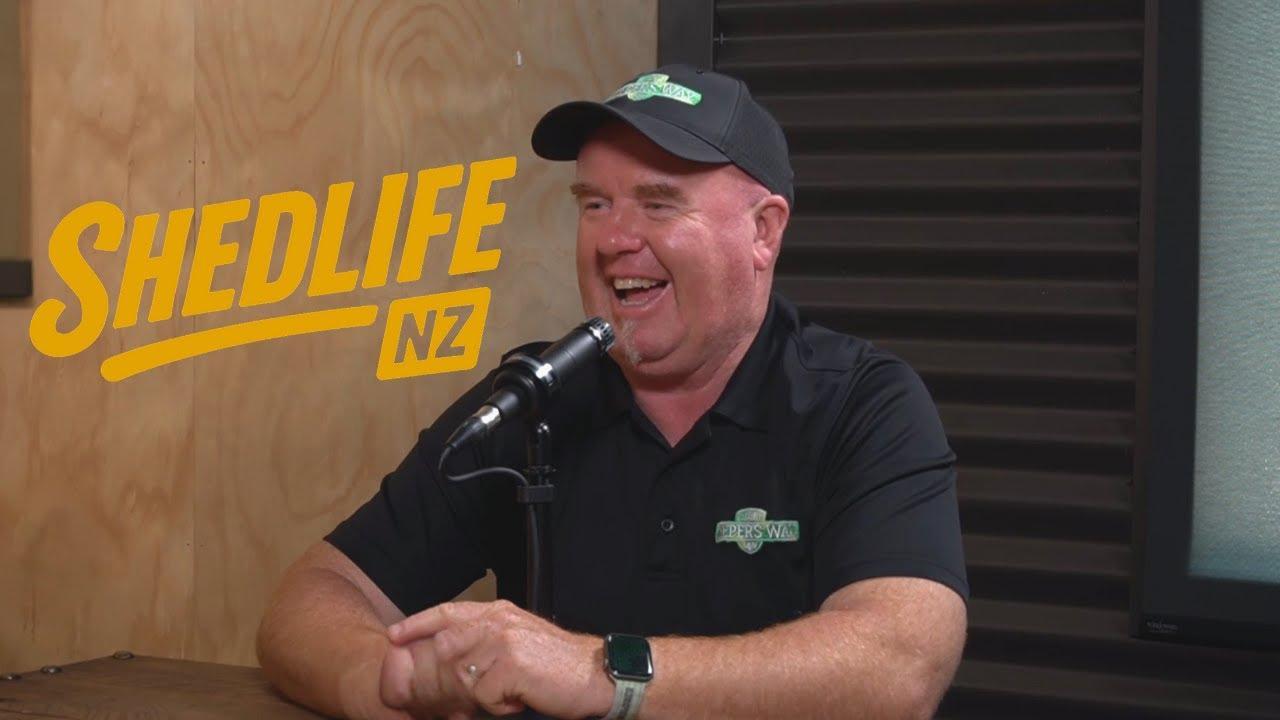
1:13Welcome to ShedLife. We've got an awesome one. We're back in the shed. I've been overseas. We've done some international. We did an international podcast. Now we're back into Kiwiland. We're doing a dual one. So we've got KJ here co-hosting with me. But we've got Sean O'Neill. Welcome on, Sean O'Neill. How are you? I'm excited, man. Good to see you, brother.
1:32Hello, mate. Great chat beforehand. KJ, bro. How are you? Why don't you give us the intro on Sean, who we're chatting to. I'm excited. Yeah, no, sounds great, Jason. And it's fantastic to announce. This is a gentleman who I've known for many years. And I call him a very good mate. Sean O'Neill is the founder of Essential Talent, one of New Zealand's leading keynote speaker agencies. Began his career in radio from when I remember those days, and we will talk about that, as a copywriter before going on to launch recording studios, publishing companies, radio stations, and building diverse background across media and content.
2:11But a decade ago, Sean established this company called Essential Talent, growing it into a trusted name with a roster that spans some high-profile leaders and entertainers from Sir John Key. Great man. Yeah. Sir Steve Hansen. Great man too. Even greater. It's getting bigger. Gilbert Anoka. The greatest. Correct, yeah. So there's some real high-profile people. KJ. Way down the line.
2:38In fact, we had a large Australian company, Book KJ, and loved them. So there you go, Book KJ. Brilliant. But outside of work, Sean, you're a proud father to two young men, Ben and Jackson. Yes. And they are passionate sports fans, which I absolutely know. And they bring the same energy and enthusiasm to the life as you do into business, Sean.
3:03Sean, I want to just start. I love the name Sean O'Neill. But I've got to have a guess. Come on then. Your middle name, it has to be Patrick. Sean Patrick O'Neill. Is that right? No, it's James. Oh. No, it is Patrick. It is Patrick. No, it's my middle name came from my grandfather. And for some reason, I decided that both my sons would have the middle name Patrick as well.
3:35So we could share something. I actually said this to KJ previously, and he said, but you've got the same name as O'Neill. O'Neill. I've never been the smartest guy in the world. And I went, yeah, you're right. But yeah, we're all Patricks, and keep that Irish thing going. Yes, fantastic. Yeah. Essential talent, though. You've got some massive names that are on that.
4:02Like Sir John Key. I mean, we're talking big names, right? Yes. Must be exciting, because I know that you're a massive sports fan. Yes. To have some of these high-profile people that work for you. Oh, I don't think they work for me. I wouldn't put it that way. But no, it's amazing. I mean, I've spent my life working in media, and I don't think we really have any celebrities in New Zealand as such.
4:32And certainly... What do you mean, Sir John Key? Yeah, but I don't think... This is the thing with, I guess, working with them, is that none of those people class themselves or see themselves as celebrities. They really don't.
4:47And so it's... Yeah, it became easy when I started, or easier when I started Essential Talent, because I'd worked in media previously. So I got a couple of people on, and then you build trust with people, like you do in your business and your business. And then you get someone else on, and then it's like, oh, this guy's got a few people on here.
5:12And, you know, you obviously do, and then it grows. And then it certainly gets easier to get speakers on after 10 years, because you've got a roster full of well-known people that obviously think that you'd do your best. And so they wouldn't be there if you weren't doing your best. For sure. And so it's easier to get speakers on after that.
5:41But no, we're very lucky at Essential Talent. We've got amazing people that decided to give us a chance, I guess. So who were the first people that you had on the roster? Gee, that's a really good question. I think one of the very first was actually, it was a band, actually. It was Shane Cortese. Oh, yeah. And he was actually managed by a friend of mine, Karen Kay, who is a very successful.
6:13Is that Radio with Pictures? No, that's Karen Hay. Right. This is Karen Kay, who's arguably one of the best agents in the country. So she manages really well-known actors on a huge scale. Very, very good reputation. And a lot of other businesses stemmed off from working with her. So she's very good. But Shane was on her books.
6:39But for some reason, I don't know how it eventuated, they agreed that I could try and take some bookings for bands. And my friend, Robert Scott, a great broadcaster, he was in the band with him. So we got a few bookings that way. And then we picked up a couple of other friends. I think Duncan Garner was one of the first.
7:00I remember that. He's a great person. Hamish Mackay, I think, jumped on pretty early. One of the people that has supported me the most is Jeremy Corbett, who I've known since I was 17, 18 years of age. And what's incredible about him is that he didn't actually need to join the roster. He's a very successful guy.
7:27People are always wanting to book him. And he supported us and said, yeah, I'll jump on your roster. And I think we're the only roster he's actually on. Really? So that's real friendship for someone to do that when they didn't need to. So we've had a lot of good people supporting us, encouraging us, and giving us a shot.
7:51Nigel Latter, the late Nigel Latter, he was incredible. He was, you know, when he joined us, he would have been the most book speaker in New Zealand without us. And he said, yeah, I'll give you a go. And we struck up a really good friendship. Yeah. I want to take you back to where it started. Can I just ask one quick question?
8:15No, that's cool. Because I was going to do it. Is, I'm just thinking to myself, so others, what do you do for a guy like Nigel Latter or Jeremy Corbett? What does Essential Talent do? Because we just said booking roster, but that's it. I think people are probably... Yes. So at Essential Talent, we book keynote speakers, emcees, and comedians for conferences, for staff events, for training.
8:43Yeah. So... So you organise all of this stuff. So somebody, company X goes, hey, we need someone cool for our big conference that we're doing down in, I don't know, Hamilton, you know, city of the future. And we need a speaker. As then they will Google it up or know of, and they'll look on Essential Talent, and then they can communicate with you for calendars, timings, costs, logistics.
9:07So we wear two hats, obviously. We're trying to do the very best for our talent, or our speakers, and make sure that they're all getting as much work as possible. It's one thing getting them on the roster. Yeah. It's another thing getting them work. So there's that. And then, of course, doing the best thing by the client.
9:26So it's interesting, because people have said to me before, they said, but surely it's getting harder in your business. Because people, you know, they just message someone on LinkedIn or whatever. So it's easier.
9:40And as I explain to people, that is actually the easiest part of the whole process. Because is it the right speaker? Are you paying the right amount of money? Is it the right speaker for your event? There's a lot of things that... Who else is there that you should be considering? So there's a lot... I sort of say it's a white glove kind of experience.
10:04It's like, you know, nine times out of ten, they're dealing with the owner of the business. And I really care about my business. I put every bit of energy that I've got into it. And I want to do the right thing by the client, so they will come back each year. It's really simple. So, yeah, I mean...
10:25Yeah, no, I get it. So I think that's it. You're taking care of all the background and you're making sure that it's going to be, you know, a smooth thing. You know, say it's... We use accountants, bless them. You know, you've got somebody and you go, I'm not sure if you actually understand what their keynote speech might be like.
10:40You know, they might be a little bit right. You might go, hey, you're a big fan of them, but maybe... No, no, you're 100% right. Because often what people will do is they will just say, hey, can you tell me how much such and such costs? And they'll go for a big name. And often it's more about, okay, it's just like anything in business.
11:05It's like, okay, let's just... Before we mention names, let's just come back. Why are you getting a speaker in the first place? Let's just start there. Because do you even need one? Okay, we need one. Okay, so what is the objective here? What are we actually wanting to get across here? Like, what's the message? And then, you know, budget has to come into it.
11:25So what's your budget? And then we piece together some good options that fit that brief. Because, and often I've had someone say, hey, we want this person. And they're just not a good fit. And I know the speaker won't like it. And I know that they won't enjoy the experience and that they can't even afford them. So it all starts with getting a...
11:52And I started off as a copywriter. And as a copywriter, everything is about the brief. You've got to get the brief right. And I think that's helped me in this job of actually going, you know, that's so important. And then instead of just throwing a whole lot of celebrity names, let's just start with what are we trying to do here?
12:11And then we'll work from there. Yeah. So would it be fair to say, though, that like, say Keepers Way wanted to hire someone off your roster? That was a lovely plug that he put in. He weaves, you see? Just weaves that in there. Of course. I love it. So I'm going to Google. I'm going to use AI.
12:31I'm going to find you. Yes. And then I go, I want to have Steve Hansen. But I don't know what I wanted to talk about. So would you say, hey, here's the things that Steve Hansen. Is that how it works? That's how it works. I mean, we can we can customise it a lot, depending on who the client is.
12:50So we would get Steve on a call prior to the event and say, OK, we've got this coming up. The bookings confirmed. What is it specifically that you want to cover now? Someone like Steve Hansen, it will be culture. It'll be leadership. I booked him once for a gig for an American company. I think it was. It was online.
13:17And it was actually for a company. It was it was came out of America, but it was actually they were based in Hong Kong. So I'm not sure how that worked. But we had a one hour online session with him and then another half an hour extended as a VIP session with a certain people. And I sat back at home watching this going, I just got paid to book this fantastic New Zealander to talk about leadership and culture.
13:57And I was sitting back watching and going, this is amazing, you know, because he is really good. He's he's dry, but he's authentic and he's honest.
14:09I really like him. He's a really good guy. And you learn a lot from him. He's really good. Could Steve Hansen say, no, I don't want to do anything for Keepers Way. Oh, yeah, definitely. What? So I don't like whatever. Yeah. Do you get that? A lot of it is actually got to do with their availability because all these guys are really busy.
14:31So that's where most of the people must out. Yeah. And also budget. Some businesses aren't going to be able to afford Steve Hansen. And so, you know, he's he's very successful at what he's what he does. And people around the world want to book someone like Steve Hansen. So for him, it's managing his time and going, you know, and he and all these guys are very good as far as doing their bit for New Zealand and the community.
15:10Not through essential talent. Just doing what they do. Yeah. And, you know, I'm not going to get into it here. But, you know, they're very humble and they do a lot of work that no one ever hears about. And you sort of every now and then you might see something in the press or something and you go, yeah, well, if you actually knew these guys, you know, they put in the mahi and really do some great stuff for the community.
15:36But when it comes to speaking engagements, you know, there's a lot of work that goes into it. It's they've only got so much. You take someone like Steve Hansen, how busy is he?
15:47You know, so availability has a lot to do with it. And, you know, obviously cost as well. So how do you get Jason onto your roster or how do you get your talent onto your roster? How does that work?
16:03This is really, really, this is a good question for a start off because people have sort of asked that before. Is there a, and you know what? It's really just being my dad, my late dad told me this. Manners will get you a long way in life, son. Manners. And he said, the other thing is, remember, you've only got one reputation.
16:26So treasure that. So was your dad's middle name, Patrick? No, it was James. But his last name was O'Neill, right? His last name was O'Neill. But there's no Patrick. No.
16:36You would think that, yeah, I would have called him James, but no, it's Patrick. Yeah. No, it's, it's really just asking and just saying, hey, look, we, we don't have a reveal, a little bit of a secret here. We don't have any exclusive causes with anyone that we represent. So that made it easier. So we built a lot of trust because when we first started, everybody was trying to sign everyone up exclusively.
17:05And I simply say to people, our roster, there's no exclusivity here. You can go with another agent. You can do your own deals. So that builds trust immediately with people. You're not trying to lock them into something. And I think now, you know, 10 years in, I think that'd be very hard for any speaker agency. Oh, well, no, that's, no, that's unfair.
17:30There are some businesses that are able to do the exclusive thing, but I just don't have any interest in doing that. It's like, it's, it's small enough world, let alone small enough country. So let people do what they want to do. Just make sure that you're giving me the same information as far as fees go as anyone else.
17:54And, and we're away because, you know, it's a very niche business in what we do. But, you know, my main competitor, Celebrity Speakers, which is Australian owned now, I think they've been around for 38 years. Wow. Really good business. Never heard a bad word about them.
18:18They do a fantastic job and that's good. That's, you want that. You don't want a competitor that is doing a crap job because it's not good for the industry. And, you know, they'd be my biggest competitor and they do a really good job. Lots of integrity.
18:37Yeah. Can I share something? Just come straight. Sure. Your dad. Yes. Is looking down on you. So proud of you right now. Oh, thank you. Because for, for you to talk about an opposition. Yes. Like that is amazing. So I can just. Oh, that's a very good one. No, it's. Thank you. Sorry. No, that's really nice of you.
18:54Thanks. That's a great segue because I was actually going to go back to your dad. And it's just, where did he, cause I just love that is manners and reputation.
19:04But where did he come up with that or what sort of did it to instill it? Cause man, I just can't get over how important manners are. And I just think it's such a pleasurable thing. I've said it to my kids all the time and I've now said it. Oh, people always did it when they were younger and they go around to someone's house and they say please and thank you and offer to help out to this.
19:26It's like, wow, that's so nice. And I'm like, it will open so many doors for you and people will treat you so much better. If you can just. I'll share one story. I'm sure this isn't uncommon.
19:40First of all, both my mum and dad, very big on manners and just not being a dickhead. So that, that was good. But my dad only hit me once and he was a very, very, very kind man.
19:56But he would give you a look and that would be, you're out of line here, but he'd never hit you. I was trying to think how old I was, but we would go to fairly most weekends when my grand and grandfather had a farm and, um, my gran would always put out, you know, beautiful kai for all of us.
20:22And, um, one day just by pure accident, I forgot to thank my gran for making dinner. And suddenly my legs were in the air and they were like, and I was lifted up by the collar and legs were flying like this. And I was outside and I was whack, whack, whack. And only time he ever hit me.
20:50And, uh, boy, you know, and he said, don't you ever forget to thank someone for making, um, your dinner ever. And, you know, um, my sons are like that. It's programmed in and it's like, that's what you do. You thank people, you use your manners. And I never forgot that. And he only had to hit me once and he felt bad about it.
21:15He liked to his dying day. I still feel bad about that. I shouldn't have done it that way. But I think he did the right thing actually, because I've never forgotten it. And it is, it's a big thing. Manners.
21:26And that thing about reputation of like, you know, if I pay someone late, that's part, that becomes part of my reputation. And so one thing that we do with our, our talent, for example, and it's, it's a joke within our speakers is how fast we pay people. It's like the gig is done and the money's in their account because it's, it's a show of respect to them and saying, you don't, you shouldn't have to chase me to get paid.
21:57And, you know, part of being with us is that we, we treat you properly. And so we do, that's been a big thing in building trust with their talent is they know, you know, when they do something within 24 hours, the money's in the account. But yeah, that's, that's kind of, it's a really good question. That's, I think, and then, you know, I think my parents got that from their parents.
22:23You know, it's like manners is bloody everything. And my boys are really, I'm really proud of, Jackson was 19 yesterday and I sent him a little message and I said, hey, look, when you're 19, you're going through a lot in life, right? You've got, you've got boys of a similar age and a daughter and they're never going through life and trying different things and having, you know, you've got Toby and Zach.
22:56Um, you've got ups and downs. And I said to him, you know, you'll have good moments, you'll have tough moments throughout life. It's just getting started. You know, you're 19. I said, but the most important thing, Jackson, is that you're a cool guy and you look out for your mates and you're a good person with a really kind heart.
23:17And I said, if you've got that, everything else will fall into place. But if you haven't got that, life's going to get really difficult. Yeah. And you know, you've, but he's got that. He's inherently a really, both my sons are good people and I'm, you know, they're my,
23:34they're my, they're my proudest moments, living and breathing. I'm not just saying, I'm not just saying that to kind of be cheesy or get a soundbite. That's what, that's what makes me. It's your why. Yeah. It is my why. You know, they're good people who work hard, are passionate and are willing to take risks in life, even at a young age, which I, which I really like.
24:00Wow. So I'm going to go back to where it all started. Yes. And now I believe Timaru. Yep. So I lived in Timaru in a place called Seadown, which is. Born and bred in Timaru? Born in Christchurch, but pretty much lived in, in Timaru and lived in a place called Seadown. Yep. So I lived in Timaru, which on the same road as Safar Lap service station for those racing fans.
24:29And yeah, I suppose the first time I thought, you know, I think broadcasting is going to be on the cards is we had talk about sheds and I've come out here to Waikato Sheds and I was thinking, oh, it's a place that sells sheds. And I'm going, this place is incredible. Seriously. If it's not nominated for, you know, business of the year, I don't know what you have to do because it's just so clever, every aspect of it.
24:55Anyway, so it started with me. I was sharing my bedroom with my brother and what I would do is I would go to bed at night to listen to George Bellani. Now, George Bellani was a talkback host. Yeah. And why I would listen to it is that often he would go, yeah, well, sorry, Sean, you're making no sense.
25:20Piss off. And he'd hang up. And I found this hugely entertaining and the language was worse than that. And so I would sneak off to bed and I would listen to him and I'd want to listen to him right till the end, which he went till midnight.
25:34And so while everyone was watching TV, I was listening to this talkback host who was much, much more controversial and entertaining than what was on TV. How old were you then? I must have been 14, 15, something like that. You were 14. You were a teenager. Yeah, listening to talkback. Back in the 80s. Yeah. Listening. Loved it.
25:55Like, stop it. No, I loved it. And so anyway, all of a sudden. Is that where you were going? I was thinking of what? No, suddenly. I think I'm right in that. Yeah, it would be about 15. But I had a problem in the fact that my brother was going to bed and he was going, he was complaining to my parents going, you know, he's keeping me awake all night with his radio.
26:19And they said, you're going to have to stop listening to the radio at night because you share a room with your brother. It's annoying him, so you're going to have to stop. And we had this tin shed out the back where you could fit in dad's all his tools and the lawnmower. And I said, well, I'm going to go and live in the shed then.
26:43And they said, okay. Now, I don't know if you've ever experienced winter in Seadown, but. Cold. Very cold. So here's me with the transistor radio, the single bed that's just squeezed in, all dad's tools, the lawnmower. I love this. You've got the shed for you. You've got the lawnmower for me. You've got the radio for you. This is fantastic.
27:11It's all packed in there. And they're thinking he's going to last in there for two nights. And I lived in there forever. Like, I would come out, obviously, and shower and all my stuff. But that's where I would fight through the winters and everything because I loved radio so much. Yeah. And that's where it sort of all started.
27:33You start, and this is in Timaru Broadcasting School, is it? Broadcasting School in Christchurch. Christchurch. Trying to get jobs after that. Wasn't having much luck. Got myself an exercise book and wrote down, back then there were a lot of independent radio stations. So I wrote down every single radio station in New Zealand, sent cassettes back then to all of them, and decided that whoever came back.
28:01Give us a sort of, is this the 80s, 90s? So this would have been the 80s. 80s, yeah. Mid-80s. Late 80s. Sent cassettes off, wanted to be a copywriter to everyone, and a copywriter. Sent these. So you'd write the ads. So I write, produce the ads. Yeah. Had a little Skype reel on a cassette, sent the cassettes out to every radio station in the country.
28:24No response. One day I get home, and my mum says, Larry Somerville from 2XS has just called. He's offered you a job, and I've accepted, and you start next week. Thanks, mum. I get your mum. So I'm like, okay. Okay. So whereabouts? This was in Palmerston North. Right. So up until that point, I'd never gone flatting. I'd never been on a plane before.
28:55I'd never had a job before. I'd never been on the North Island before. No problem. Mum's got it. Cool, mum. Great. See you. Have a great life. So, and that was really, that was amazing. I mean, 2XS back then in Palmerston North was, you know, it was regarded as one of the best radio stations in the country.
29:17We were doing stuff that was innovative, that was on par with Auckland. And it was only two and a half years, but it was just such an incredible experience. And I've got friends, my closest friends, we're there at 2XS and we speak to each other, usually daily, just by like our little group. And we catch up for a dinner, you know, or lunch, usually every three or four months.
29:55So there's a real friendship there. I've seen your social media posts. These are high profile people too, aren't they? Well, they've all done very, very well. I mean, there's Robert Scott, he's a great broadcaster. Dom Harvey, the source, Roger Beaumont, who's really the main man when it comes to banking.
30:17Roger Clamp, Jeremy Corbett, they've all done really well. And these guys were all working at 2XS and Palmer. We were all working at 2XS, yeah. Wow. But they were doing, we were just thinking, we just sort of were thinking bigger. I guess we had a radio station and it was just like, we were brought up, if you like, by Larry Somerville, a great guy, still a great friend.
30:47You can do anything. You got the radio station, you can do anything. And, you know, we'd do these incredible promos that were like world class. And here they were in Palmerston North. Palmerston North was so lucky. They were getting like this amazing, amazing stuff. Roger Beaumont was very, very clever when it came to coming up with promotions.
31:12So he'd say, you know, and you hear this from this American voice saying, you know, I'm trying to remember the specifics, but it was like, then you're off to Tower Records. And then after that, you're off to the Empire State Building. And then we're sending you to see the big mouse and, you know, and Disney. And like, and all this stuff was going on.
31:35I think it was for the Millionth Song or some promotion that we were doing. And it was just massive for a city the size of Palmerston North, what we were giving away and what we were doing. But also we were just really part of, we were part of the community, you know, and it was like kite day and raft day and all this really cool stuff.
31:58It was just a really great time. I mean, it's still a great time to be in broadcasting. I look at what these kids do now. You know, they get to do, they get to do video, they get to do social, they get to do radio. ShedLife podcast. They get ShedLife podcasts.
32:17You know, like, so it's a really good time. I mean, they must be having a blast. And we were having a blast back then as well, just in a different way.
32:26Oh, for sure. I watched one of the guys and give him a shout out and I played hockey. I didn't realize how well he's going cam loft.
32:31So he's in a hokie. And he does like more of him. But it's just like, all of a sudden park, he's doing ground announcing, golf days, all these cool promos. Good wee cricket age, a wicketkeeper. Yeah, he's got a little hockey player.
32:45There's actually, it seems like what was cool, I don't know, almost 40 years, you know, like 30, 40 years in radio is still transitioning to what is cool now. It's radio, so it hasn't happened. Because newspapers have died, by and large. You know, like, what must have been the heyday of newspapers, if you compare it. But radio still has this power and imagination.
33:04It's a very resilient medium. Yeah. And it just evolves. And like, the amount of times through radio that you'd be hearing, you know, it's radio's dead. And it just, it's so resilient. I think it still takes maybe 11, 12% of the advertising pie each year. Does it? Yeah. So, it's, I think it's still relevant. But, you know, there's good radio and there's bad radio.
33:32Yeah. You know, and some of it is pretty average. And some of it is brilliant. I mean, ZB, for example, I just think is an amazing radio station. I never worked for it, never had anything to do with it. But that's probably one of the best programmed. A great sports breakfast show on a Saturday. Great sports breakfast show.
33:50See how we segwayed into that. And who's hosting that sports breakfast? Tell me, who is the host of that show? Oh, there's a guy who could grow meat. Minty, minty meat. And there's another guy. Doesn't he have a sidekick? He does. He's got a guy that's got a face for radio that helps him out. But you've done really well.
34:08No, it's not a bad thing. No, no, no. Are you enjoying that? I love it. It's tough. It's tougher than what it looks and sounds like. And I just need to do time on the, I guess, on the seat and the cans on. And yeah, doing a bit of commentary too. But it is. The super rugby commentary.
34:22Yeah, yeah. It is tougher than what it looks. And I'm quite conscious of people like, you know, Nana back in Apia listening to her grandson. And there's no Smith, Brown or Jones that play for Moana Pacifica. And you're good because you actually put the effort in. Well, you need to. But yeah. Do you know who else I reckon does that really well?
34:47Is Tony Johnson. Is with language. And so whenever he's commentating, I actually sent him a text. And I said, well, I'm not trying to butter you up to ask you to be on the roster. Because I would imagine he's too busy to even do stuff like that. But he weaves in another language so effortlessly.
35:10Whether it's Samoan. Whether it's Te Reo. It's just, he just puts it in there as if, of course I'm going to use this word in this situation. It doesn't sound forced. It's really good. That's right. He's a great commentator too. He's a great commentator. Yeah. He's up there, eh? He is. So I was touring around India with my friend.
35:34And it was still one of the best experiences of my life. And we stayed in some pretty interesting places. Describe interesting place. Well, we stayed with his father in this little village.
35:52And his father lived in this place above the barber. Okay. And so I would get up each morning and I would go downstairs and they'd get the. Oh, the cutthroat razor. The cutthroat. And seriously, that knew my skin. I'm always cutting myself. Knew my skin better than I did. And it's just like, whack, whack, whack, whack, whack.
36:16Cup of tea. He didn't speak any English. I didn't speak any Indian. But we somehow had these conversations about the Cricket World Cup. God knows how. Sign language or something.
36:28So that was interesting. We'd, oh, it was just, they're crazy about cricket. Even I was starting to get a bit sick of it at the end. I was like, let me talk about something other than cricket. And I talk about cricket all day. Okay.
36:42So I can remember going to a mate's place and his daughter must have been 16, 17. She said, who's the best cricketer that's ever come out of New Zealand? And I said, wow.
36:54You know, so Richard Hadley, Martin Crowe. And she turns around to me and she goes, what about Burt Sutcliffe? And I'm like, how do you even know who, so Burt Sutcliffe would be 50s, what do you mean? 50s, 1950s, 1960s. Yeah. And I'm thinking, how does she even know who Burt Sutcliffe? This is a kid. Yeah. They just, they just absolutely love it.
37:16And I went to India playing Pakistan. Oh. Whereabouts? Now, I think it was Wong Kady Stadium. Yeah, Mumbai. Oh, yeah. I'm pretty sure. So they started lighting little fires around the, this is at night.
37:42Inside the stadium. It was so cool. And I can remember them doing the, at the toss, I can remember them doing the, I hope it was Pakistan. You'll probably get back and go, hang on, they didn't even play each other in that. But I'm pretty sure it was. Because at the end of the game, they were going, God bless mother India.
38:00Like they had beaten Pakistan. But yeah, it was, and I was terrified of flying. And so at one point, we were traveling somewhere. And I said, can we just, well, when we did the initial planning, I said, if we can avoid flying at all costs, I'd really appreciate it. So he said, I've got us on a train.
38:24You've got a train. So I got on the train. And it was the most terrible thing I've ever been on in my life. And we got, we had students invade the train and we never, ever thought we were in danger, but they hopped on and protested about a name change of a university.
38:48And so there was all this going on and it was just, and it went on for hours and hours and hours. And at that point I went. Delayed the train or the train was going? No, the train, it was at a stop. They hopped on and they were like, you guys are going to get off. And they go, no, we're protesting about the changes of the, you know, it's like, okay.
39:06But it took hours. The trip was really, really long. And at that point I went, you know, this fear of flying thing has got to end because I'm never going through this ever again in my life. And it cured my fear of flying. I've never been, I mean, I don't enjoy it, but I certainly, I'm not terrified of it.
39:27I hop on a plane and forget. Who would be, I'm going to say the highest profile cricketer that you've actually met. That would be Merv Hughes. Oh yes. You sat at a table. I sat. I sat at dinner with him. I remember. I sat at a table with Merv Hughes and who is one of the funniest guys I've ever seen in my life.
39:50And I mean alongside comedians, stand up comedians. He is brilliant. He sat down and he was like, I said, can I get you to do this video? And he says, mate, I'm just going to get my talk done. And then can we talk about it after that? And I went, oh shit, this guy's going to be an absolute jerk.
40:11And he's like my favorite cricketer. You know, one of my favorite cricketers. Damn. Anyway, he went up and he did his talk and I was crying with laughter. I was just so funny. So he comes back after the talk and then he goes, okay, Peter, John, Alan, what do you want to, he remembered everybody's names. Heineken. Hi.
40:39Remembered everyone at the table, went and got the drinks for them. This is my client's. Here you go, mate. Here you go. And he goes, right, Shawnee, let's go and do this video. And I'm like, what the fuck is going on? Excuse the French. What the fuck is going on here? So he takes me out the back and everyone's going, where's Sean going with Merv?
40:55And he does this video and he says, people often ask me, who is the best batsman that you've ever bowled to in your career? And that's a really easy answer. What the fuck's your name again?
41:16Sean O'Neill. And I was in stitches. So we got on like a house on fire and we were talking about everything besides cricket. And we were just laughing our heads off. And I had, I was supposed to be at a manager's conference in Auckland the next day. And my boss had said, you can go to this because I know how much it means to you, but you need to be back in Auckland nine o'clock the next morning.
41:46Whereabouts were you? Well, I, at two o'clock in the morning, I was at Rodeo Rodeo with Merv and not hearing anything that he was saying. And now he wasn't hearing. Still laughing. And me saying to Merv, I'm sorry, but I have to go home and get some sleep because I've got to be at a manager's conference in Auckland tomorrow.
42:10Anyway, I connected with him years later when I decided to start the speaking agency. And he's with an agency in Australia. I said, hey, look, can I put him on? And he said, yeah, I remember that guy. Put him, yeah, you can put me on. Brilliant. You know, Ian Smith, I've sat down with Ian Smith maybe once over coffee.
42:34You know, I just think he's a legend. I mean, you talk about commentary. I mean, is there a better commentator? Here's a controversial thing, I'll say. I think he's better than Beno. Now, that's a big call. I think often what we do is that we get nostalgic with commentators. And Richie Beno, fantastic cricketer. And this is your soundbite, by the way.
43:03Richie Beno, great commentator. One of the best. I think Ian Smith's better. I really do. I think he and Ian Smith would defend Richie Beno and say, no, he is the best. There's no one better. I think that's him being quite humble because I just think he does it better. Would you say… What do you think, KJ?
43:31I'm not going to let you get away with this one. Ian Smith. I'm going to disagree with you there, Sean Pat. Yes, that's fine. Because I think maybe the difference and where I see the value in what you're talking about, Smithie, is that he has commentated at world-class level in cricket, but he has also done the same in rugby.
43:51Correct. So I think that he's sort of got two bows to what he does. Yes. Whereas I think Richie has only done cricket. Yeah. And I think he is the best cricket commentator ever. See, I will disagree. And do you know what? Ian Smith would take your side. But I actually think Smithie is better. Why? Is better at that.
44:19Why? He is… Well, similar to Beno, what I like as a cricket fan is he's always just a little bit ahead of where my mind is when I'm watching it. You know when you're watching a test match, which I still love doing? It's my favourite form of cricket. He'll say something and you'll go, well, as a very average cricketer, but a cricket fan, he'll say something and you'll go, gee, I wasn't there.
44:48I'm not seeing what you're seeing, but thanks for sharing that because now I'm starting to see it and it's making it more enjoyable for me.
44:55Also, I think with commentators, it's often when they leave… Oh, when they're not there. When they just leave that kit and they let it breathe. It's so powerful. And yet commentators that aren't up at that level, they're wanting to fill the silence. It's a little bit like comedy as well. It's like let that… Sometimes it's okay to let it breathe.
45:19I mean, you talk about Keith Quinn's The John Olomu Try. Yeah. You know, the oh, oh, oh. He actually… That there turns out that he'd actually… He'd had something in his mind, but actually lost it. Lost it. But I think Smith is just better with timing, with… There's not much in it. And I know that a lot of people go, you're crazy.
45:44But I think a lot of it has to do with… Okay, well, here's… Oh, sorry. This is an unfair question. Who do you think's the better commentator out of Keith Quinn and Grant Nisbet? No, he probably doesn't want to answer.
45:58Oh, toss a coin. Both of them. Yeah. Very, very… Both of them very similar to… Yeah. But you see, I think we get confused… Not that it should be necessarily a competition anyway. I'm going to defend why I think Ritchie. Because I think back when Ritchie was commentating, the information that Smithy has available to him… That's a good point.
46:20…has so much information around, you know, how much the ball's… You know, he's got all… Whereas Ritchie is what he sees, he has nothing else. So that's why I'd put him in cricket commentating. That's a good point. But then look at Ian Smith as far as the, you know, by the barest of margins. You know that bit of commentary?
46:44By the barest of margins! That there… And you can see the… You can see video of him standing up. And he's just telling the story for us. And he's not… He's not cluttering it with too much. And it's… But that's the art, isn't it? It's the art. And it's just… I think he does that better than any cricket commentator that I've seen.
47:07I mean, there are moments, right? There are moments. There's moments that I'll never forget. Like the Ritchie Beno… Let's call it a tie, by the way. But Ritchie Beno with the underarm incident. And he goes, It was probably one of the worst things I've ever seen on a cricket field. How good. I'm going to say something that I think you'll like.
47:28Okay. Around this. Again, I'm going back to Ritchie. Because in my head, the Ritchie Beno thing goes back to the 12th man with Billy Berman. Wasn't that for? You know, so I'm going… Chew for 22. Yeah, correct. So there's kind of a little bit of a… There is a little bit. And it's probably a little bit… I think… I never thought of it that way.
47:48He does. He would have more information. In saying that, I would imagine, and I'm just guessing here, that Smithy probably doesn't rely on that too much, is my guess, as far as all that stuff that's available to him. Like, I just think… Here's the thing. When the big moment arrives, he… He nails it, right? He nails it.
48:14He's not like… He nails it. Correct. Every single time. Yeah. I think he's good too, because he does… Like, quite often commentators all stick to the same sort of narrative, right? Correct. Whereas Smithy will go, no, I don't agree. You know, like, he'll actually give his absolute point of view, which I love. Yeah. Because I want to hear what Ian Smith has to say.
48:36Yeah. Not something that's scripted or… It's like the rugby players. Yeah. I'll be honest, you know, interviewing them, it's kind of the same thing we get from everyone. You want someone to go, hey, we played terrible. You know, like, you actually want them to be honest.
48:52So you were saying at one point you were meant to be coaching. What did you say earlier? Paul Ego, Hilary Barry. I was, yeah. You know? Yeah. So you were meant to be coaching. What was it? Paul Ego, Hilary Barry, and Jeremy Corbett. Yeah, and Kim Adamson.
49:06And so you've got Kim Adamson, one of the most experienced broadcasters around. You've got Hilary Barry, who's a superstar. And same with Jeremy Corbett, same with Paul Ego. What station was that? This was More FM Auckland. And my job, and it wasn't… This particular part of my role didn't go for a long time, and with good reason.
49:26Because my job was to sit down with them and go through the breakfast show and say, well, I think… This is post the show. So we sit down and we go, hey, let's talk about this part of the show, how it could have improved. Now, I'd listen to the show. I'd be the biggest fan. But I had nothing to contribute because I thought the show was fantastic.
49:51Now, even if the All Blacks have had a great performance, there's still stuff to talk about, right? You still go, well, hang on. Yeah, we did win by 40 points. But, you know, I think this, we should have missed. I did none of that. And I would sit down with them and I'd go, that show was so… I love that bit when you did this.
50:09And it's so funny. And they'd go, okay, is that it, Shawnee? I'd go, yep, okay, we're off now. See ya. And off they'd go. And that was it. And I even knew that I was doing a poor job. And they were brilliant. They were a brilliant show. But my point was, I added nothing. And, you know, you have to, I just was naturally not very good at doing it for that show.
50:35Probably a bit overwhelmed as well by the talent in front of me. They were all my heroes. And so it was short-lived. Let's put it that way. Awesome. I wasn't fired or anything by memory. What did I do? I must have, this was before I went back to MediaWorks, Waikato to manage.
50:55But, yeah, it was, they were just a very, very good show. Very, very, and great people, you know, and continue to be great people. Awesome. Well, we've shouted out Essential Talent. So is it best to find it on the website, Instagram, Facebook? What else?
51:13Essentialtalent.co.nz for keynote speakers, emcees, comedians, New Zealand owned, New Zealand proud, 10 years in. Let's go. Nice. That's awesome. Thank you, boys. Thank you, Sean. Really enjoyed that. You're great guys. And I said earlier, you're a mate.
51:36Sorry about that. You're someone that, I mean, obviously, I also work for you, I guess, sometimes. But to have you on the other side of the microphone has been something that I've been really excited about doing. So thank you for your time. Thanks, Jase. It's been awesome, mate. It's great to have a... I actually will ask this.
51:53How did KJ end up as a speaker? Where did that come from? Because I can get why, but like, where did this story, you know? Well, I'm not sure, but the thing is, without blowing smoke, he's a very personable person. And I think he's actually, and just let me say this, mate, to just state, he's, you know, I think he's very much respected in our community.
52:19Not many people wouldn't know who he is. Yeah. And he's got all the values that I respect. Hard worker, you know, volunteer firefighter, cricket. Yeah. Tragic. Great dad. Fantastic father. I heard just a little exchange with his son today, his youngest son today, and the car coming over here, don't you? Yeah. Just what I'd expect. Great. So, our business isn't hard.
52:53You know, we just get good people. We're really good people. And I've got to look at my roster each day and go, is that, does that person belong with these other people? Yeah. Or is that person watering down my brand? No. It's, so there's a lot of people that don't get on the roster, but you know, he's got a lot of integrity and got great stories to tell.
53:16Yeah. Um, so I think we're just scratching the surface of that one. Yeah. Excellent. I really like his, uh, and I think this is interesting for KJ's one, um, but it's just genuinely done it as a job. I quite like, I suppose I'm replicating it to a degree, but there's not a professional sportsman. Is it's, I think there's an interesting, and there is a cool story.
53:39It's like, Hey, I am the groundskeeper, you know, I apprenticed it. I did it. I built it up there, but I've still got myself as a brand and a personality being a good guy. But you know, like I currently when KJ and I had this conversation, but like each time he tells me something, I'm doing a bit of super rugby commentary now.
53:57I'm doing a little bit of cricket commentary. I'm never surprised by that because, you know, he's very much a person and it's what been probably the theme of the podcast is a little bit like, well, what do you got to lose? Just bloody do it. Give it a crack. You know? And, um, probably one of the most beautiful moments I've had in my life so far is my youngest son unprompted one day saying to me, Hey dad, I just want you to know, I'm really proud that you've just put it all on the line and done this business.
54:30Cause I know the sacrifices you make and it takes a lot of time and, you know, um, I really respect you for doing it. And I'm like, well, that's so beautiful because I think, I think we do get, and it's understandable. I'm the same with, and I haven't done anything massively huge in my life. I run a speakers agency, but I think my big lesson is, you know, take some risks, have some fun, especially if you think you're going to enjoy it and you might not enjoy it or it might get hard and if you don't like it, then go and do something else.
55:06But get yourself into a position. And what we've got so, isn't it great now that we have it set up that you can actually go, I'm going to buy the gear and I'm going to broadcast it on YouTube, on Apple, on like 30, 40 years ago, you couldn't do that. Someone else decided whether or not anyone was even going to be able to hear it or see it.
55:32And now you just go, well, I'm doing it. And maybe five people will watch, maybe millions will view it, like as with this podcast. So it's like, just take a punt and have some fun because man, it goes quickly, doesn't it? It really goes quickly. Yeah. I just, something that comes to mind while you're talking, and look, thank you lads for the kind words.
55:55He made me say that. Yeah, he did, I'm sure. Just don't know what he asked me to do. Actually, because me having my own little brand has been a massive learning curve for me. I mean, in my business day to day, I don't make money. I cut a bit of grass and do my thing. But having my own brand, and I've got to shout out to Graham Blake, who is a good friend of both of those.
56:17You know, you're his best man at his wedding. Yeah. And his company, Pan Media, you know, like you- Blue Tui, these, well, these rights now as well. Yeah. You talk about Creative Minds. He is someone who gave me a vision and gave me probably the vision for me to go out and do something for myself, which I didn't think was a brand.
56:38Yeah. Like, you know, so someone like that, you know, I just love good people look after good people. Oh, yeah. And I think that, you know, someone like, yeah, big shout out to Graham. Yeah. No, he's a top guy. What was your first speaking engagement? Do you remember? Well, I started off pretty slowly, to be fair. I mean, it was all pretty new for me.
57:00And I kind of, I didn't really feel like I had much to offer, but I kind of go out on a whim of, I call it, I'm just a grass cutter with some stories. Yeah. And, you know, the story, you know, and it goes back to what you said, it's just a job they do, right? So, but what it is quite cool is I'm sharing stories about working for the All Blacks or, you know, working in India.
57:23Yeah. You know, IPL, all that sort of stuff. So I did a, recently I did a gig up in Auckland. So for me to drive up, and it was the day before One Day International here at Southern Park. So I had West Indies plant black caps. Nice. So for me to leave the venue when both teams are training, I mean, I've got fantastic staff, so they can run the show without me, but went up and it was, I think it was about 70 accountants from Australia who had come over.
57:48So this was the time the ashes were about to start. So they're asking me lots of questions around who I thought was going to run the ashes. And, you know, so, yeah, so that's one of the stories that I, one of the jobs I have done for, for Sean that I remember. Here I am on the viaduct overlooking a beautiful harbour, talking to a bunch of Australians who are all accountants.
58:08I was like. I bet they argued with numbers. You know, so, yeah, so I had, yeah, and I really enjoyed it and I shared stories and I got a lot of engagement and a lot of questions and there were quite a number of female in the audience, which I was kind of like, oh, I might pour the pants off them.
58:24But they, you know, it was really cool. So, yeah, that's one that I do recall. Awesome. And I just, did you start Essential Talent whilst you were still at the radio station? Like, was it a side hustle that turned into a full-time hustle? Yeah, well, that's a very good question. So we, without getting into huge details, we had an agreement as my time was coming to an end with MediaWorks that I would start Essential Talent.
58:50Yeah, cool. So that worked out quite well. And then after some time, Essential Talent became the, it was all done above board. Everyone knew what was going on. I ask that because I think people think about an idea is if you're above board, you work for H3, you manage all of the grounds, but then you've got Keeper's Way and you do, you know.
59:16It's being above board is always the place to be, you know. Oh, yeah. Being totally transparent. Which, more likely to be supportive. But it's also, you don't necessarily throw in the day job to start the idea without testing it out first. I think you're right. So, yeah. Yeah. Yeah, no, that worked out. It worked out quite well for me.
59:35I was quite lucky, actually, in that respect. But, yeah. But once again, I think, really, it doesn't, nothing really starts to fly until you totally commit. 100. And go, nah, I'm all in here. Yeah. And there's so many examples I see of friends of mine that, yeah, it's good if you have something to sort of get you started.
59:57But, really, when there's no plan B, it's amazing what you can achieve. It's like, there's no way out here. This is what I do. Vital flight, right? Yeah. It really is.
1:00:12And you start to get a bit more comfortable with it. I mean, I'm sure a lot of small business owners would appreciate this. You get that thing of going, well, it's sort of like, okay, for whatever reason, this month might not have been good. But there's always next month. Next month could be great. You know, like me, at the moment, I'm going, as this month comes to an end, I'm going, yeah, wasn't great.
1:00:38But I already know that next month is going to be great, because there's a lot of stuff just sitting there that's really just, that's just admin needs to be signed off. So it's, yeah, it's, we're just a typical small Kiwi business, just like everybody else going through. And I see some of these, you know, amazing stories, as I said, and I love following them.
1:01:09And you can get, do that on social media. As I said, like earlier, like the Lucky Taco business is just so inspiring because I've watched it all unfold. And in front of my eyes, I've been in business about the same time as me, and I've just seen it. It's like, oh, now they're getting the truck painted. Now he's, now he's making the tacos himself.
1:01:30Now Sarah's doing this. Oh, now they've got these packs that you can buy. Oh, now they're in a supermarket. Now they're doing, now they've got, it's, it's so exciting watching that all unfold and watch people's, you know, journeys. Nice. There's such a thing on that, and I thought as we'll wrap it up, but anybody that's listening I think is, you're talking about following a couple that's doing a taco food truck business, but because they've shared it online, is people have been able to follow it along and they will follow the journey.
1:02:01They will. And just, I think this all the time when I'm putting out content, is people, there's so many silent followers and silent fans. Yes. And people that are supporting it. So it's just keep putting it out there, keep putting in the grind. And if you're not, it is, there's in the past, if I'd wanted to promote Waikato Sheds five or six years, five or six years ago.
1:02:26Say it was 20 years ago, our only way to market would have been TV, radio. So you'd have had this huge amount of cost to be able to do it and gatekeep it, buy it. Whereas now, put it on Facebook, put it on Instagram. Now, even more so, YouTube. YouTube's the most streamed service in New Zealand. YouTube is really underestimated as far as what it can do for a business, I reckon.
1:02:54That's it. And so four years or so of Waikato Sheds YouTube has transformed us from a decent regional player to probably the biggest, you know. Well, you've been early. That's the thing. You'll see even more and more of this. It's so funny because I used to own half of Porch Recording Studio.
1:03:15And my friend Chris Williams and I owned it. And I had this bizarre idea, and I'm sure he'd be a great guest if you haven't spoken to him.
1:03:27I had this thing. I said, we need to go out. The big thing is going to be podcasts. Let's go out and sell Recording Studio Time. Yeah. And get businesses in here doing their own podcasts. Now, I'm trying to think how many years ago. It was years and years and years ago. And it was a total flop.
1:03:44We had the studio all set up. We had someone out selling it. We didn't get one person in there to do it. They just could not get their head around how a podcast would be great for a business. And yet, of course it is. No, I get it. Of course it is.
1:04:01Brilliant. Yeah, but look, in closing, I just want to thank you for getting me in and having a chat with you guys. I've really, really enjoyed it. And to Waikido Sheds, I've got to say, I came in to this place, and you can just, you can feel the energy. You can feel there's something happening. And then you, just the way it's laid out.
1:04:22And you're just like, oh, I'll show you here. And then it's like, okay, they've got their own damn recording studio in a place that sells sheds. And then there's the bar, and then there's this. And it's just very, very cool and very innovative way of running up the business. So thanks very much for having me in today.
1:04:40Really appreciate it. Awesome. Thanks again, Sean. Thank you, brother. Awesome, mate. Awesome. Thank you.
The week's episode, Sport, Garage and subscriber deals, free. What's in it
Leana de Bruin ·
Leighton Cosgrave ·