Every rugby player retires. For most of them the day comes sooner than they planned, through an injury, a contract that is not renewed or a body that has simply had enough. After that, the question of life after rugby arrives all at once: what do you do on a Tuesday morning when you have been training at the same time for twenty years?
ShedLife has had a run of former players through the studio, and several of them have told us what that moment was like. This page pulls those stories together. It is not advice, and nobody here claims to have the answer. It is five Waikato-linked players telling it straight, and we have linked each full episode so you can hear the rest.
The drop-off when the jersey goes
The first thing most of these players describe is not a lack of things to do. It is a lack of identity. When you have been an All Black, or a Chief, or the captain of a province, that label does a lot of the work for you.
Lima Sopoaga is a good place to start. A former All Black, Highlanders champion and Samoa international, he talks in his ShedLife episode about becoming an All Black at Ellis Park and feeling like a superhero in the black jersey. Then he talks about what came after. He says rugby was what he did, not who he is, and that line is the spine of the whole conversation. He also describes choosing time with his wife and daughters over another overseas contract.
His way back was unexpected. A challenge to post 30 videos in 30 days gained him 13,000 followers, helped him get past the fear of what people might think, and opened the door to Sky Sport. A year on, he says he feels more popular now than he ever did as a player. He is also honest about the hard part: learning to be a beginner again when you have been an elite athlete. His guest page has everything he has done on the show.
Building something of your own
A lot of retired players start a business, and two ShedLife guests have done it with their wives.
Liam Messam is a former All Black, one of the most capped Chiefs of all time and a Waikato centurion. In his episode he explains why he and his wife Monique founded 1082 Performance, what the logo means and why he backs locally made products. The theme of the whole conversation is support for local people, local clubs and local brands. He also works as the athlete development and performance coach for the sevens, and he has taken up boxing.
James Tucker spent 13 years in professional rugby with Waikato, the Chiefs, Blues, Hurricanes and Brumbies, with stints in Italy and Japan. In his episode he talks about running Busy Bees Cleaning across Waikato and the Bay of Plenty with his wife Courtney, who has also launched Tucker Accounting. The episode description calls it a story of building a new life after professional sport. One of the Shorts from it sums up the change: a professional rugby player turned businessman who is not doing it by halves.
The pattern in both is that they did not walk away from the discipline. They took the same habits into a different job. Liam's and James's pages are here and here.
Going back to club rugby
The place a lot of players end up is where they started. Liam Messam says he felt he could not go back to his own club after retiring. Then a reunion at Hautapu changed his mind and brought him back. He talks about the Messam 10s knockout tournament for local clubs, about getting players back to their home clubs and about backing the kids and the volunteers who keep club rugby going.
It is a quieter kind of life after rugby, with no crowds and no contracts, but you can hear how much it matters to him. He also tells club stories online so people outside the gate can see what goes on, which is another version of the content theme Lima talks about. If you want to know what club footy looks like around the province, the Waikato Rugby guide is the place to start.
Coaching
For some players, the move from player to coach is the obvious one, and it is not as smooth as it looks.
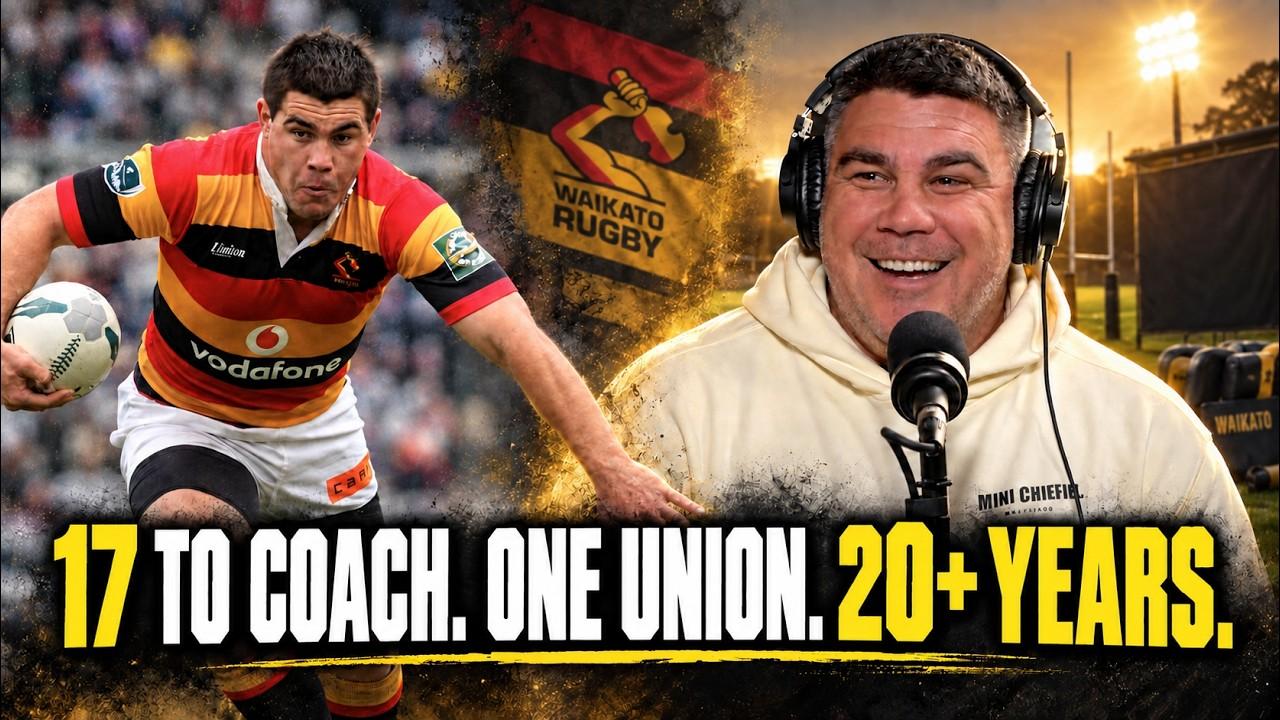
Dwayne Sweeney debuted for Waikato at 17, while still at Hamilton Boys' High, and played 20 years with the province. He captained the side from 2017 to 2019, became a centurion after six years in Japan and later stepped into the attack coach role under Ross Filipo. In his episode he talks about going from teammate and captain to coach, earning the respect of players who had been calling him skip, and says it was not smooth. He is clear that loyalty to one union for over 20 years is a choice you keep making.
His story is a reminder that retirement does not have to mean leaving. It can mean staying in the same sheds with a different job.
Hika Elliot took the long way there. After 19 professional seasons with Hawke's Bay, the Hurricanes, the Chiefs, Counties Manukau, the Māori All Blacks, the All Blacks and three French clubs, he came home in 2024 to fence on his wife's family farm in the Mackenzie country and play club and Heartland rugby, then got a call to win an NPC final with Wellington at 38. In his episode he explains why he is now Director of Rugby at Rotorua Boys' High School rather than chasing professional coaching: connection before correction, teaching rather than coaching, and being the voice in a young man's corner that he never had.
When injuries make the decision
Not everyone gets to choose the day. Injuries are the reason a lot of careers end, and the players we talk to are open about it.
James Tucker had 22 surgeries across his career, including two ACL injuries, a broken sacrum and serious rib cartilage damage. He talks about how repeated injuries affected his career and the mindset needed to keep coming back when retirement seemed close. He is clear that the same stubbornness that kept him in the game helped him build something outside it.
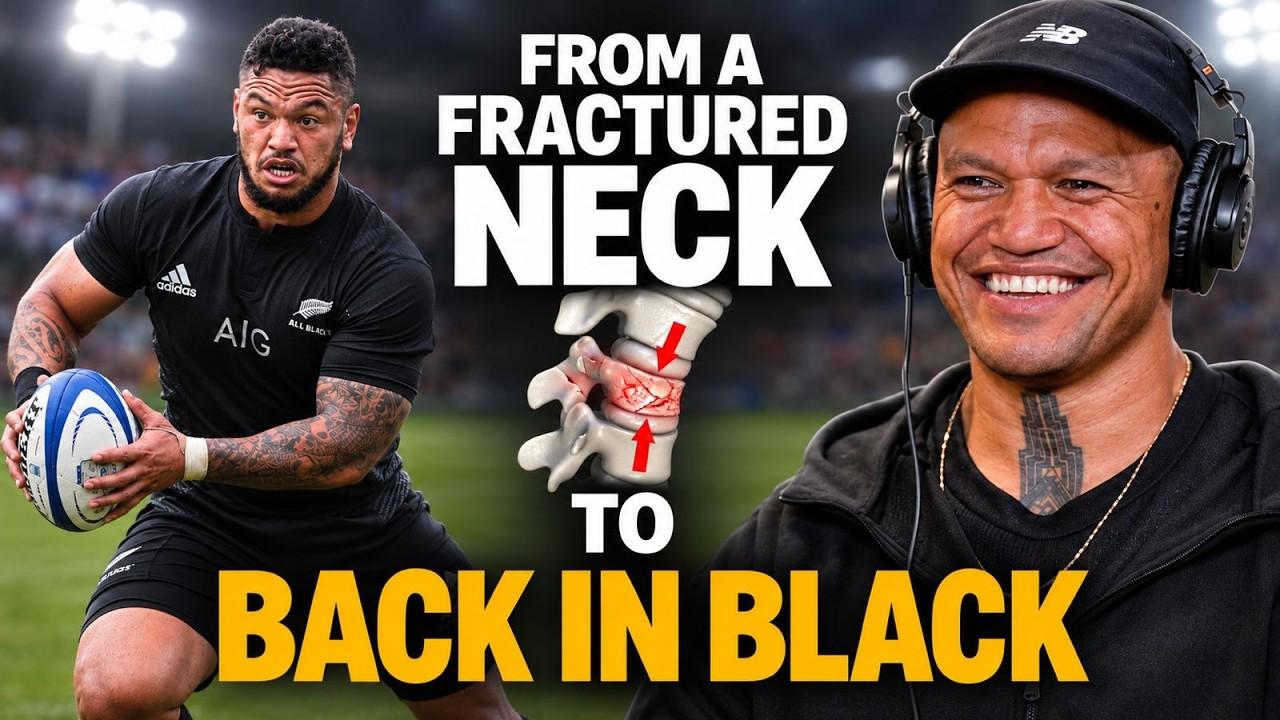
Declan O'Donnell, a former Māori All Black who also played for Waikato, the Chiefs and Taranaki, covers injuries, rehab and looking after your body in his episode. He talks about the injuries that nearly ended his career, including a shoulder injury and a knee injury he had to get through after moving to Taranaki. He also played rugby in the United States, and the last section of the episode is life after rugby: study, teaching and the kids.
What the stories have in common
The five players have different careers, but a few things come up again and again, in their own words rather than ours:
- Rugby was what they did, not who they are. Lima says it directly, and the others show it by what they built next.
- Family comes into it. Lima chose his wife and daughters over another contract, and James runs a business with Courtney.
- Local matters. Liam backs local products and local clubs, and Dwayne stayed with his province.
- Nobody pretends it is easy. Starting again as a beginner, stepping from captain to coach and getting through 22 surgeries all take something.
That is as far as we will go. We are not counsellors, and these are just stories. If you are finding the end of a sporting career, or anything else, hard, our men's mental health guide has honest chats and where to get help, and in New Zealand you can call or text 1737 any time, free, to talk with a trained counsellor.
If you are a former player with your own story of what came next, or you are in the middle of working it out, have a look at how to be a guest on ShedLife.